Key facts
An Iranian woman received 74 lashes Monday for singing publicly in 2024 without a mandatory hijab, according to her lawyer in comments to an Iranian news outlet.1
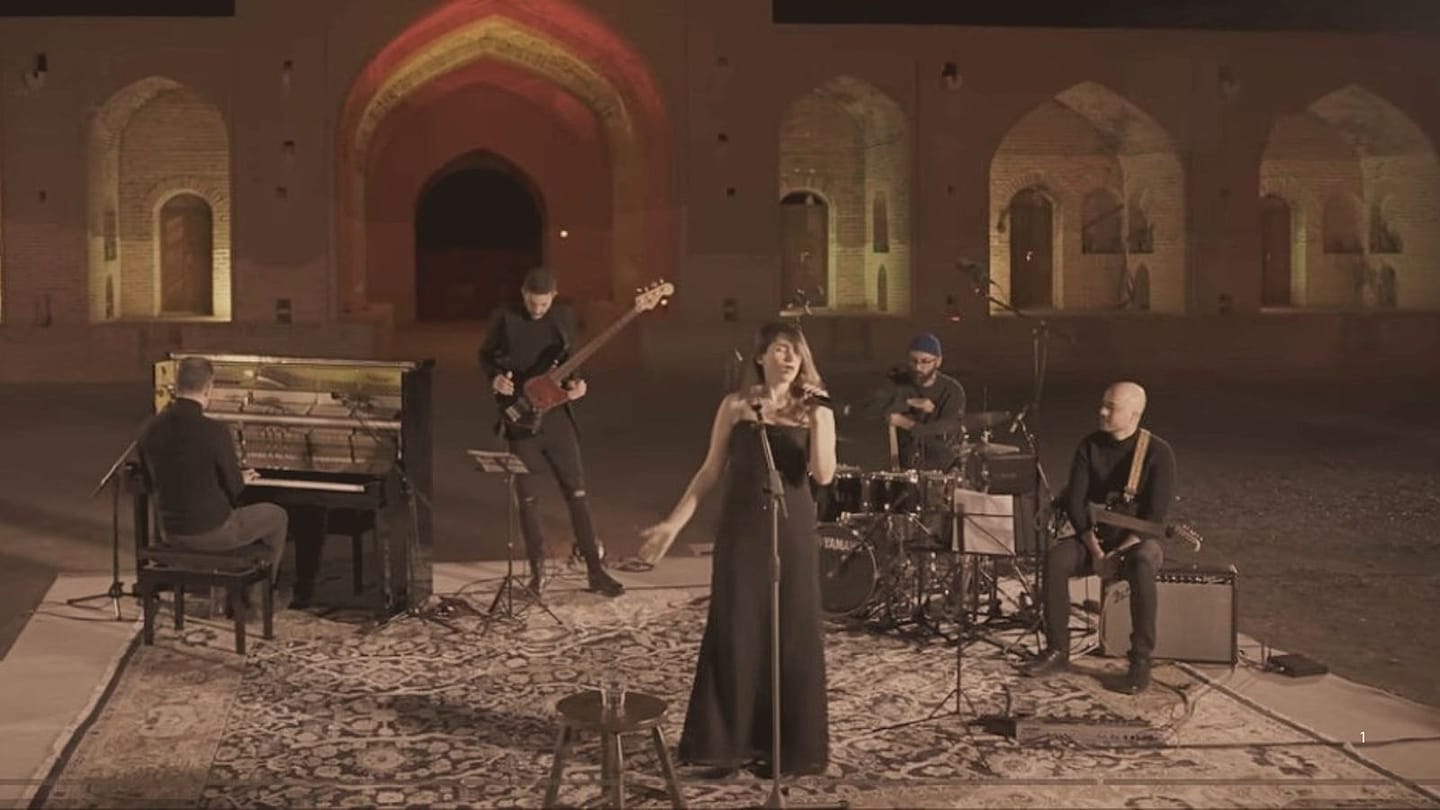
Parastoo Ahmadi, 29, had performed without her hair or shoulders covered in a video that spread quickly online and drew the ire of Iranian authorities, who mandate that women must wear a veil in public.1
Singing by women is also highly restricted in Iran, and they are banned from singing solo in public.1
A video that drew ire
Ahmadi’s performance in 2024 was at a historic site in Qom.1
There was no audience at the performance, but it was shown live online.1
The video of the event reached 3.3 million viewers.1
Wearing a long, black gown, Ahmadi sang Iranian folk songs.1
Lawyer says she was lashed
Ahmadi and four others connected with the performance appeared at the prosecutor’s office in the city of Qom, where they were lashed, Ahmadi’s lawyer, Mostafa Nili, told the news outlet, Emtedad, on Monday.1
A person in Tehran familiar with Ahmadi’s case, speaking on the condition of anonymity out of fear of reprisal from the Iranian government, confirmed that she had received the lashes.1
Ahmadi and her associates were banned from performing for two years and from leaving Iran during that time.1
A broader crackdown
Ahmadi’s punishment, nearly two years after her performance, comes amid an ongoing government crackdown against dissent.1
Authorities suppressed mass protests in January, killing thousands of demonstrators, according to human rights groups.1
Iran has continued to execute and arrest dissidents in the months since the United States and Israel attacked Iran in February.1
The war has reduced the political cost of repression for the Islamic Republic, said Mahmood Amiry-Moghaddam, director of Iran Human Rights.1
Mahsa Amini
In 2022, Mahsa Amini, a 22-year-old Kurdish woman, died in police custody after being arrested on grounds of breaking modesty laws involving the hijab.1
Mahsa Amini’s death prompted nationwide protests called the “Woman, Life, Freedom” movement.1
Unveiled women have been seen on Iranian state media and at pro-government rallies amid the war.1
A call for pressure
The Center for Human Rights in Iran, a nonprofit in New York, called last month on governments and the United Nations to pressure Iran by demanding the release of cultural figures being held for their expression and urging an end to corporal punishment.1
Amiry-Moghaddam said.