$6M Boys' School verdict sparks call for more juvenile justice reforms

Key facts
Cheyenne, Wyo. - In the wake of a $6 million jury verdict in favor of a former Wyoming Boys' School resident whose constitutional rights were violated, the state-run facility for delinquent boys ages 12 to 21 announced Monday that “sweeping reforms” are underway.1
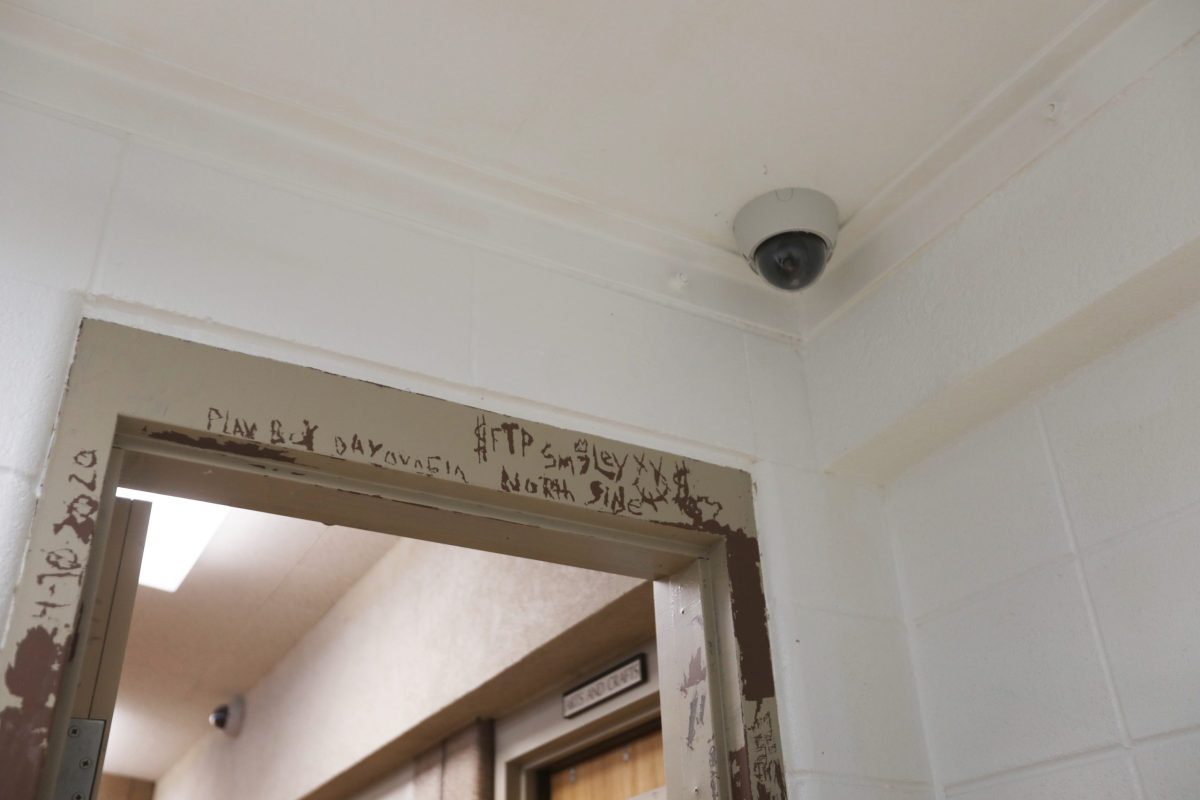
Jurors in the U.S. District Court in Casper came to a unanimous decision last week that boys' school staff subjected Blaise Chivers-King to punitive isolation in the state-run facility’s 7-by-10-foot cinderblock detention rooms and denied him due process to challenge his confinement.1
The jury did not rule in favor of Chivers-King’s claim of excessive force.1
Six former residents sued separately
The six former residents initially sued together, but the court separated them into different trials after a request from the state’s attorneys described the case as “deeply complex and full of fact-intensive claims involving multiple plaintiffs and defendants over a four-year time span.”1
The state is facing five more lawsuits from former residents who allege civil rights abuses.1
DFS statement on current practices
The Wyoming Department of Family Services, which oversees the 38-acre residential facility near Worland, released a statement Monday that it “cannot comment on the recent jury verdict in the U.S. District Court for the District of Wyoming, as litigation is ongoing,” but noted that Chivers-King’s experiences at the boys' school in 2021 “do not reflect current practices.”1
The DFS statement also said that Dale Weber — who was one of the defendants in Chivers-King’s lawsuit — eliminated the mandatory head-shaving policy and brought the detention facility’s practices into alignment with nationally recognized best practices.1
In response to questions from WyoFile about actions the state should take in light of the verdict, Gov. Mark Gordon also declined to comment, citing the ongoing litigation.1
Advocates push for oversight
Juvenile justice reform advocates and a state lawmaker warn, however, that internal policy changes won’t be enough to prevent future abuse and mistreatment.1
They say increased oversight and transparency are needed.1
Wyoming has recorded the highest juvenile confinement rates in the country.1
Research shows that locking kids up doesn’t reduce delinquent behavior and often creates a new set of problems by exacerbating the mental health challenges that led to criminal activity.1
In 2021, state lawmakers set out to study why Wyoming relies so heavily on locked facilities like the Boys' School and Girls' School.1
The state hit a wall accessing information.1
The state can’t easily track why young people get in trouble, what local law enforcement does in response or the outcomes of efforts to address delinquent behavior.1
Because each of Wyoming’s 23 counties handles juvenile cases differently, a child in one community might land in a community-based program while somewhere else a judge might send a kid to a juvenile facility for similar behavior.1
This decentralized approach makes it hard for the state to track what’s happening to young people in the juvenile justice system, like whether they graduate from high school or reoffend as teens or adults.1
Sources
Every number in the story points here. Each links to the original reporting.
CenterKGWN
LocalWyoFile
See a sentence its source doesn’t back up?
Tell us the source number and what’s wrong. We check every report. If we change the story, the fix goes on the corrections page with the old wording.