
 CelebYachts reportProfiles
Why Royal Huisman builds the world's largest sailing yachts
Royal Huisman tracks three vessels totalling 179.7 metres. The yard splits its work between newbuilds and refits to keep its sheds free.
By On the record · Aug 4, 2026 · Data from CelebYachts1
A vessel’s position is the boat’s, not the owner’s. Ownership is as reported, not certified.
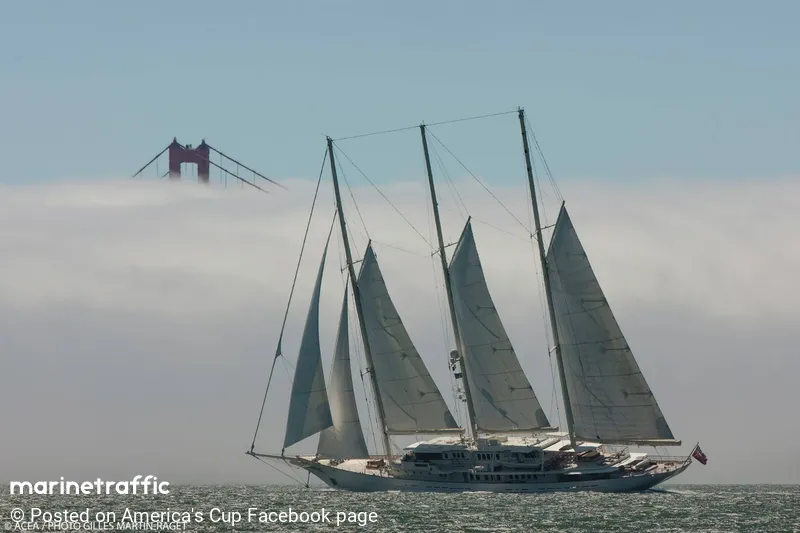
Royal Huisman has built the largest sailing yachts in the world, including ATHENA. The Dutch yard uses a split-site model. It keeps Vollenhove for new ships. It sends older boats to Amsterdam for repairs. This strategy lets the yard take on huge custom orders without delay.
Royal Huisman holds a unique place in yacht building. The yard has tracked three vessels totalling 179.7 metres. These are all large sailing yachts. The longest is ATHENA, which measures 79.2 metres. She was handed over in 2004. Her owner, Dr Jim Clark, had already commissioned Hyperion in 1998.
The yard does not just build these ships. It also fixes them. Royal Huisman operates two main sites. One site handles new construction. The other handles repairs and refits. This separation is key to their success. It keeps the building sheds clear for new projects. It captures steady revenue from maintenance work.
How did Royal Huisman start building yachts?
The company began in 1884 in Ronduite. Jan Huisman founded it then. He built wooden workboats for local fishermen. They worked on the Zuiderzee inland sea. The business stayed small for decades. It focused on practical boats for trade.
The shift to luxury yachts came later. In 1954, Jan Huisman specialised in steel sailing yachts. His son Wolter took over the next decade. He moved the yard to aluminium hulls in 1964. This change allowed lighter and faster designs. The first major project was the Van de Stadt Avenir series.
The yard found success in racing. It cooperated with New York designers Sparkman & Stephens. This partnership opened doors to international races. The shipyard launched its largest yacht to date in 1970. It was the prize-winning 60 ft sloop Running Tide. This launch happened at new deep-water premises in Vollenhove.
Racing victories proved the design quality. In 1973, Huisman built Saudade for Albert Henri Karl Büll. This 47 ft S&S sloop won the Admiral's Cup for Germany. The yard repeated this success in ocean racing. Conny van Rietschoten's Flyer won the 1977–78 Whitbread Round the World Race. Her sister ship, Flyer II, won line honours in all four legs of the 1981–82 race.
Winning the Whitbread twice is a rare feat. No other yard has matched this record since. These wins built the yard's reputation. Owners saw that Royal Huisman could build fast, durable hulls. This reputation attracted clients wanting performance cruising yachts.
The yard celebrated its centenary in 1984. Queen Beatrix awarded it a royal charter. The name changed to Royal Huisman. This honour recognised its long history and quality. The yard continued to expand its range. It worked with designers like Germán Frers and Ron Holland.
The yard also revived classic designs. In 1989, it restored Endeavour for Elizabeth Meyer. This was a prestigious 1934 J-class yacht. The restoration set a trend for large classic yachts. Gerard Dijkstra helped with the design cooperation. The project received industry awards from owners and press.
Innovation remained central to the work. The yard launched Pamina in 2000. This 112 ft sloop was the world's first yacht built from high temper aluminium alloy Alustar. This material offered strength and lightness. It became a standard for future large sailings yachts.
Why does Royal Huisman use two locations?
The business model relies on splitting tasks. Construction happens in Vollenhove. Refits happen in Amsterdam. This division allows the yard to manage complex projects. It prevents bottlenecks in the building halls.
Construction takes place in a large facility. The site covers 30,000 square metres. It has five building halls. There are also specialist manufacturing halls. A team of over 350 specialists works there. They are supported by partners and co-makers.
One partner is Rondal. This sister company makes rigs and winches. They produce carbonfiber components for sailing and motor yachts. This vertical integration speeds up production. The yard controls the quality of critical parts.
The second location opened in 2019. Royal Huisman took over the former Holland Jachtbouw premises. This site covers 12,000 square metres. It is in the Amsterdam region. It serves as an addition to the Vollenhove headquarters.
The Amsterdam site focuses on refits. It handles conversions and rebuilds of the worldwide superyacht fleet. This expands the yard's reach beyond its own builds. The Huisfit team cares for various non-Royal Huisman yachts too. This broadens the customer base significantly.
The official expansion of refit services started in 2011. The Huisfit brand was introduced then. The team had been taking care of superyacht refits occasionally before that. The 2011 move formalised the service. It made refits a core part of the business model.
The yard also engages with the community. In 2014, Royal Huisman became a co-owner of the Bucket Regattas. This event celebrates classic yachts. It aligns with the yard's interest in heritage vessels. The same year, the yard affiliated with Royal Doeksen. This is another Dutch maritime service organisation.
Royal Doeksen is owned by the fourth generation of the same family. This connection strengthens the local maritime network. It provides additional support for yacht operations. The yard values these long-term relationships.
The current portfolio shows this consistency. Phi measures 58.5 metres and was delivered in 2021. Hanuman measures 42.0 metres and was delivered in 2009. These vessels show the yard's ability to build across size brackets. They demonstrate expertise in both smaller and larger hulls.
Ownership of the group changed recently. O2 Capital Partners acquired Royal Huisman in 2024. They are a Dutch long-term investor. This change brings new financial backing. The yard continues its focus on quality and innovation.
The split-site model remains effective. It allows the yard to handle large orders. It ensures that refit work does not delay new builds. This strategy supports the yard's position in the market. It enables the construction of the world's largest sailing yachts.
Reporting and data: CelebYachts, republished by On the record.
Sources
The numbers on this page point here. Each one links to the record it came from.
- 1