
 CelebYachts reportProfiles
How Mark Zuckerberg paid for Launchpad and Wingman
Zuckerberg kept voting control during Facebook's 2012 IPO. That decision funded a two-ship fleet built for long-range logistics.
By On the record · Jul 31, 2026 · Data from CelebYachts1
A vessel’s position is the boat’s, not the owner’s. Ownership is as reported, not certified.
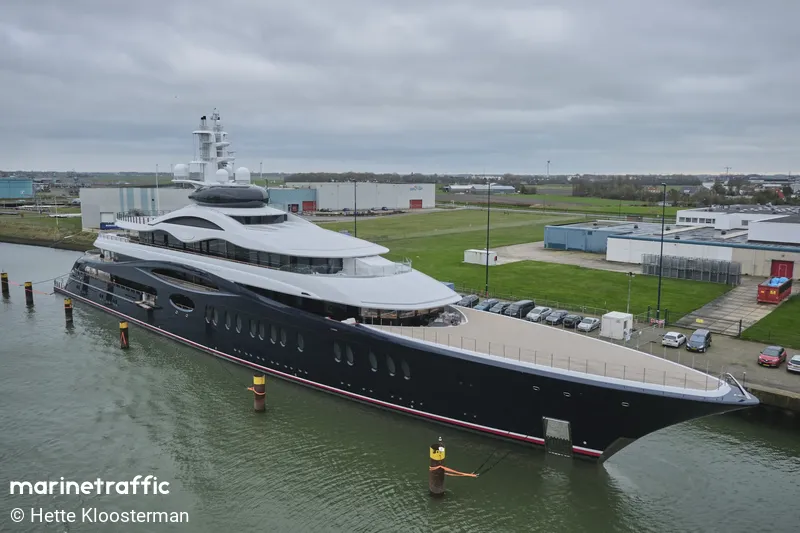
Mark Zuckerberg owns Launchpad, a 118.9-metre Feadship yacht delivered in 2024, and her support vessel Wingman. His wealth comes from retaining majority shares when Facebook went public in May 2012. This structure funds a mobile command system designed for remote operations.
Mark Zuckerberg owns two large vessels that operate as a single unit. The main ship is Launchpad. She measures 118.9 metres and was built by Feadship. She arrived in 2024. Her partner is Wingman. This smaller ship is 80.39 metres long. Damen converted it in 2022. Both ships fly the flag of the Marshall Islands.
The money for this fleet came from one specific corporate choice. Zuckerberg took Facebook public in May 2012. He kept the majority of voting shares. This gave him full control over the company's direction. It also preserved his personal wealth. Forbes lists his net worth at $69.8 billion as of 2019.
This wealth buys more than just steel hulls. It buys autonomy. Launchpad and Wingman work together to solve logistical problems. They allow travel without relying on port infrastructure. This setup supports long voyages to remote areas. The pair has been tracked in the Arctic and French Polynesia.
Who owns Launchpad and Wingman?
Mark Zuckerberg is the owner. He co-founded Facebook with roommates Andrew McCollum and Dustin Moskovitz. He launched the site at Harvard in February 2004. He became the chairman and chief executive officer of Meta Platforms. He is the controlling shareholder. This role gives him final say over all spending.
His wealth comes from that control. He did not sell his shares in 2012. He kept them through the public listing. This preserved his voting power. It also preserved his fortune. Forbes lists his net worth at $69.8 billion as of 2019. Later estimates put it much higher.
Where has the fleet been since 2024?
AIS data tracks their movements closely. In early 2025, the pair was seen in the Arctic. They anchored near Longyearbyen in Svalbard. Local activists protested their emissions. Ice conditions limit access to certain ports. The fleet's design accommodates these challenges.
They also visited French Polynesia. Launchpad sailed roughly 4,800 miles to Tahiti. She waited there for weeks. Zuckerberg did not board during this stay. This suggests the ship operates autonomously. Crew members manage the vessel remotely. The delay highlights the flexibility of the design.
In Easter 2025, they voyaged to Norway. The trip covered about 5,280 miles. The goal was heliskiing in the fjords. Wingman hosted choppers offshore. This avoided landing on Norwegian soil. Tourism restrictions often block such landings. The fleet bypassed these rules entirely. This ability defines their value.
Why did Zuckerberg keep voting shares in 2012?
Facebook launched its initial public offering in May 2012. Most founders sell most of their stock during such events. Zuckerberg chose a different path. He retained majority voting shares. This meant he controlled the board. He could make decisions without shareholder approval. This move protected his vision for the company. It also locked in his financial stake.
The result was immense personal wealth. By 2019, his net worth reached $69.8 billion. Forbes later estimated it at $258 billion in September 2026. This money allows for unusual purchases. He bought land in Hawaii for $17 million. He purchased a Florida mansion for $170 million. These assets sit alongside his marine investments.
Control matters for privacy too. He does not answer to investors about his leisure time. He can direct funds to private projects. The yacht fleet is one such project. It requires significant ongoing costs. Fuel, crew, and maintenance run high. Only someone with sustained equity can afford this level of operation.
What makes Launchpad and Wingman a paired fleet?
Launchpad is the primary residence. She provides living space for extended trips. Her size allows for significant fuel storage. She can travel thousands of miles between refuelling stops. This range is critical for remote exploration. She carries helicopters for shore access. The design minimises time spent in port.
Wingman handles aviation and logistics. She hosts helicopters offshore. This avoids legal problems on land. It allows access to restricted zones. The pair has operated in Svalbard. They have also sailed to Norway's fjords. These locations often lack commercial support.
Where has the fleet travelled recently?
How much do these ships cost to run?
Launchpad is valued at $300 million. Feadship built her to exacting standards. Her engineering supports long-range travel. She requires a large crew to operate. Maintenance costs are substantial. Fuel consumption for a hull of this size is high. These bills never stop.
Wingman is valued at $100 million. Damen converted the hull in 2022. The original build dates to 2014. Conversion added special gear. This adds to her operational weight. She supports the main vessel's missions. Her role is essential for the fleet's success.
Traditional yachts rely on port services. They need water, power, and waste removal. Launchpad cuts this need. She carries her own resources. This allows visits to undeveloped areas. It also offers greater security. Remote anchoring keeps her out of sight.
The paired design offers redundancy. If one ship needs repair, the other can support. This ensures continuity of travel. It is crucial for scientific or exploratory missions. The fleet can operate for months without returning home. This independence appeals to a tech-focused owner.
Reporting and data: CelebYachts, republished by On the record.
Sources
The numbers on this page point here. Each one links to the record it came from.
- 1