
 CelebYachts reportProfiles
How Amancio Ortega paid for Drizzle
The capital for his two Feadship yachts came from retaining shares during Zara’s 2001 listing.
By On the record · Oct 12, 2026 · Data from CelebYachts1
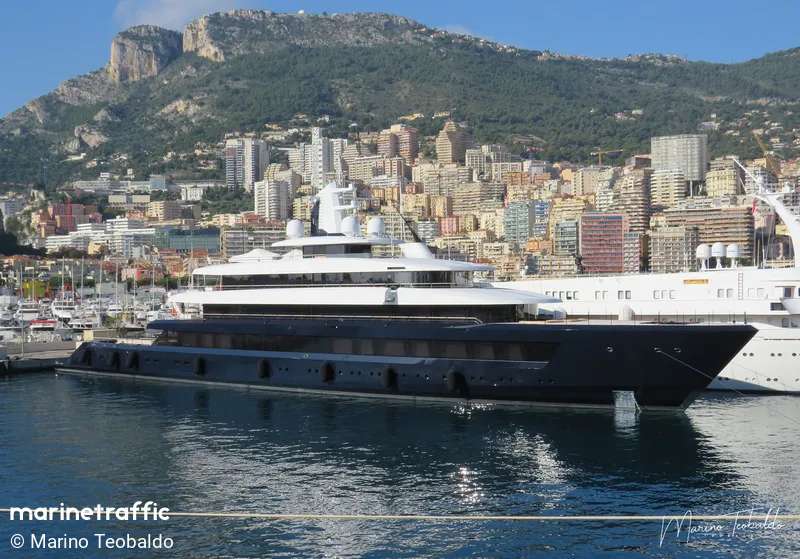
A vessel’s position is the boat’s, not the owner’s. Ownership is as reported, not certified.
Amancio Ortega owns the 90.5 m Drizzle and the 47.35 m Valoria B. His wealth originated in the 2001 initial public offering of Inditex. He kept a majority stake through the company’s most volatile years. This equity decision created the balance sheet that now funds these vessels.
Amancio Ortega is a Spanish billionaire businessman. He founded the Inditex fashion group. The group owns the Zara clothing chain. It also owns Bershka and other brands. Forbes listed his net worth at $103 billion in 2024. This made him one of the wealthiest people in Europe.
Ortega owns two yachts built by Feadship. The larger vessel is named Drizzle. She measures 90.5 metres in length. Her flag is Malta. The smaller yacht is Valoria B. She measures 47.35 metres. Her flag is Spain. Both hulls were constructed at Dutch yards. They represent the liquid form of a fortune built on retail equity.
What specific transaction created Ortega's wealth?
Ortega did not make his money from daily sales alone. He made it from corporate ownership. In 1963, he founded Confecciones Goa. The company sold quilted bathrobes. In 1975, he opened his first Zara store. He did this with his wife Rosalía Mera. The business grew rapidly over the next two decades.
The critical event happened in 2001. Inditex went public on the stock market. This sale turned retail goods into tradable shares. Ortega held a large portion of those shares. Reports state he owned almost 60 to 65 percent of the company in 2012. He retained this large stake through the following years.
Holding such a large block of equity is rare for a founder. Most founders sell down their positions after a listing. Ortega kept his shares. This allowed him to benefit from every rise in the Inditex stock price. The value of his holdings grew as the brand expanded globally. By 2015, his net worth peaked at $80 billion. He briefly became the richest man in the world.
His wealth is tied to the performance of one company. This creates a specific type of liquidity. The assets are valuable but not always cash-ready. Selling large blocks of shares can move the market. It can also signal a lack of confidence to investors. Ortega has avoided this trap by holding his position. He lets the company generate dividends and growth.
How does he hold the money that buys yachts?
Ortega does not keep his assets in a personal bank account. He uses an investment company called Pontegadea. He serves as its executive chairman. The company brings together all his real estate and financial investments. It acts as the central hub for his wealth management.
Pontegadea holds many property assets. These are concentrated in Madrid and Barcelona. The properties sit on main business streets like Serrano and Recoletos. There are more than twenty properties in these cities. Internationally, the portfolio includes buildings in Paris, Berlin, Rome, Lisbon, and London.
The company also invests in energy firms. In December 2019, Pontegadea bought 5 percent of Enagás. The deal cost 281.64 million euros. Enagás runs the Spanish electricity grid. In July 2021, the company acquired the same percentage of Red Eléctrica. That firm runs the Spanish power network too.
Pontegadea also bought 12 percent of Redes Energéticas Nacionais. This Portuguese operator manages the national grid. These stakes provide steady returns. They are less volatile than retail stocks. They offer a stable base for the owner's spending. The structure allows Ortega to deploy capital without selling Inditex shares.
Why did he choose Feadship for his yachts?
Feadship is a cooperative of Dutch shipyards. It stands for First Export Association of Shipbuilders. Two families run the yards. Royal Van Lent builds steel and aluminium yachts. Koninklijke De Vries Scheepsbouw builds similar vessels. They share a design center called De Voogt Naval Architects.
The cooperative was founded in 1949. Its goal was to export luxury yachts to America. The model worked well. American buyers wanted steel hulls. Wood was the standard before then. Feadship pioneered the use of steel in pleasure craft. This reputation for quality endures today.
Ortega’s choice of builder reflects a preference for discretion. Feadship yachts are known for understated elegance. They do not shout for attention. This matches Ortega’s own public profile. He rarely gives interviews. He wears simple clothes. He avoids the spotlight. A loud yacht would clash with his personality.
Drizzle was launched in 2024. She is the newer of the two vessels. Her length is 90.5 metres. She represents the latest generation of Feadship engineering. Valoria B arrived earlier in 2018. She is shorter at 47.35 metres. Both share the same design philosophy.
Where have Drizzle and Valoria B been recently?
AIS data tracks the movement of these vessels. Drizzle has been active in the Mediterranean. She spends time in Spanish ports. The 90-metre size limits her access to some small harbours. She requires deeper water.
Valoria B is smaller and more agile. She can enter tighter anchorages. She has been seen near coastal islands. These islands are a popular winter destination for superyachts. The weather is mild. The services are excellent. Owners often move their vessels south as autumn approaches.
Both yachts appear in the same cruising grounds. They likely operate as a pair when possible. This allows the crew to support each other. It also reduces the need for separate logistics chains. The owner can travel between them easily. The Gulfstream G650 jet mentioned in reports facilitates this movement.
What does the ownership structure reveal about his priorities?
Ortega’s approach to wealth is conservative. He does not chase trends. He does not diversify into unrelated sectors. He focuses on what he knows. Retail is his expertise. Energy infrastructure is a natural extension of that stability. Yachts are a minor part of the portfolio.
The purchase of Drizzle and Valoria B required significant capital. Yet they represent a tiny fraction of his net worth. The decision was driven by personal taste. He values the craftsmanship of Feadship. He appreciates the silence of electric hybrid systems.
This simplicity reduces risk and complexity. Many spend billions on multiple vessels. They build floating palaces with helipads and submarines. Ortega keeps his fleet small. Two yachts are enough for his needs.
The source of the funds is telling. The money comes from retained equity. It is the result of long-term holding. This method of financing is invisible to the public. It leaves no paper trail of debt. It demonstrates confidence in the underlying asset.
Ortega’s life outside the boardroom is equally private. He lives in A Coruña. He avoids media exposure. He has given only three interviews in decades. This consistency extends to his maritime assets. The yachts are extensions of his home. They are places of rest, not stages for display.
Reporting and data: CelebYachts, republished by On the record.
Sources
The numbers on this page point here. Each one links to the record it came from.
- 1