
 CelebYachts reportProfiles
Why Amels builds so few yachts
Amels is the superyacht division of the massive Damen Group. This structure shapes its engineering, output, and place in the market.
By On the record · Sep 9, 2026 · Data from CelebYachts1
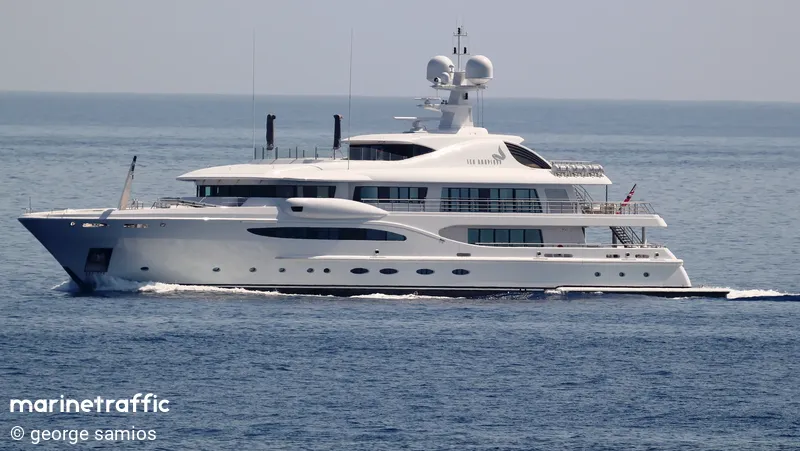
A vessel’s position is the boat’s, not the owner’s. Ownership is as reported, not certified.
The Vlissingen yard works inside a conglomerate that builds thousands of vessels yearly. Its tracked hulls show shared infrastructure rather than independent ambition. The group's scale dictates what Amels can build.
Who owns Amels and why does it matter?
Amels is a division of the Damen Group. The group is a Dutch defence and engineering company. It sits in Gorinchem, Netherlands. The family owns it privately. They started in 1927 with two brothers. Jan and Marinus Damen ran a small yard.
Today the group is huge. It has over fifty locations worldwide. It designs and builds more than five thousand vessels. That number covers everything from workboats to warships. It delivers over one hundred and fifty ships every year. Amels sits inside this machine.
Amels joined the group in 1991. It is based in Vlissingen. It focuses on superyachts. But it shares resources with the rest of Damen. This changes how it builds boats. It also limits its footprint on our tracking registers.
How does Damen's scale shape Amels?
Damen Group is a private family business. Kommer Damen took over in 1969. He expanded the original Hardinxveld yard. Now the headquarters are in Gorinchem. The group employs nine thousand people worldwide. Three thousand work in the Netherlands. Six thousand work abroad.
The group makes many types of ships. It builds tugs, workboats, and dredgers. It also makes naval vessels like frigates and patrol craft. It even builds cargo ships and ferries. Superyachts are just one part of its output. The group calls its yacht division the Amels Division.
This broad range affects Amels directly. The group uses standardised platforms across divisions. Engineering happens in-house for all products. This allows Damen to share design knowledge. A hull form used for a patrol boat might inform a yacht design. It lowers costs for everyone.
The group has faced legal issues. The World Bank debarred it in 2016. The sanction lasted eighteen months. It related to a fisheries program in West Africa. Damen cooperated with the investigation. It strengthened its compliance program. The debarment was reduced because of this.
Recent military contracts show strain. In 2024, Damen lost a submarine bid. The German Navy cancelled a frigate project in June 2026. Belgium complained about delays in July 2026. These setbacks affect the whole group. They highlight the pressure of large-scale manufacturing.
Amels benefits from shared infrastructure. The group has thirty-two shipyards globally. Fourteen are in the Netherlands. Eighteen are in other countries. Amels can call on this network. It does not have to build every part alone.
Standardisation is key to this model. Damen uses common components where possible. This speeds up production. It also keeps costs down. For a superyacht buyer, this means predictable timelines. But it also limits total customisation. Some features must fit the group's standards.
Here Comes The Sun shows this mix. She is eighty-nine metres long. Tim Heywood designed her exterior. Winch Design did her interior. She started at eighty-three metres. She got six metres longer during a refit in 2021. The refit happened at Amels.
Her engines are twin Caterpillar 3516s. They produce six thousand three hundred horsepower. Her beam is fourteen point five four metres. She has a draught of three point eight five metres. Lloyd's Register classes her. She flies the Cayman Islands flag.
Graeme Hart owned her originally. He is a New Zealand billionaire. He listed her for sale in April 2023. The price was one hundred and ninety-five million dollars. This sale price reflects the market for large Amels yachts.
What does Here Comes The Sun tell us?
Our register tracks only five Amels hulls. Their combined length is three hundred and fourteen point three metres. SIXTH SENSE is the longest at seventy-four metres. Sea Rhapsody follows at sixty-five point five metres. Calypso is sixty-one point five metres.
Altair III measures fifty-nine metres. DOJO is fifty-four point three metres. These numbers seem small for a major yard. But Amels builds fewer yachts than competitors. It focuses on quality over quantity. Each boat takes significant time.
The group's focus is elsewhere. Most of its revenue comes from commercial ships. Tugs and workboats make up a large share. Offshore vessels add to that. High-speed craft and ferries round out the list. Yachts are a niche segment for them.
This priority affects capacity. The yard cannot take every order. It must balance yacht work with group needs. This creates bottlenecks. Owners often wait years for a slot. The waiting list can stretch beyond delivery dates.
Our data reflects this scarcity. We see older boats like Altair III from 1974. We see newer ones like SIXTH SENSE from 2019. The gap between them shows the pace. Amels does not churn out hulls quickly. Each one is a careful project.
Why are there so few Amels yachts tracked?
Corporate volatility impacts planning. The group faces constant contract risks. Lost bids mean less cash flow. This can tighten budgets for new projects. Amels must adapt to these shifts. It cannot ignore the parent company's health.
Capacity allocation is another factor. The group decides where resources go. A big naval contract might take priority. This leaves fewer workers for yachts. Shipbuilders move between projects as needed. This flexibility helps the group. It hurts steady yacht progress.
Engineering constraints also apply. The yard uses standard designs. Buyers want unique interiors. Combining both is hard. Winch Design worked on Here Comes The Sun. Not every owner hires such firms. Many accept the group's default options.
The result is a specific market position. Amels serves clients who value reliability. They want a known brand. They accept some standardisation. They do not seek radical innovation. This suits the group's industrial logic.
Our counts confirm this trend. Five hulls is a small number. It is far below other major yards. Those yards focus almost entirely on yachts. Amels is a generalist. Its strength lies in volume, not exclusivity.
Comparison requires looking at output. Damen delivers over one hundred and fifty vessels yearly. Amels delivers maybe five or six yachts. The ratio is stark. The yard is a tiny part of the whole. This matters for understanding its role.
Other yards lack this backing. Independent builders face higher costs. They buy components at retail prices. Amels buys at group rates. This gives it a cost advantage. It can price competitively. But it also ties its fate to the group.
The group's repair division is huge. It has fifteen yards in six countries. It handles over one thousand five hundred projects yearly. Amels can use this network. Owners get maintenance support globally. This is a selling point for buyers.
But the main business is construction. The group wants to build more ships. It expands into new markets. It builds mining vessels like Benguela Gem. It builds patrol boats for coast guards. Yachts are secondary to this expansion.
This hierarchy shapes Amels' identity. It produces high-value assets. It does so with factory methods. The result is solid, reliable yachts. They are not always groundbreaking.
The group faces challenges. Military contracts are slipping. Delays cause fines and cancellations. This strains finances. It may reduce investment in new facilities. Amels might see slower upgrades. It could rely more on existing tools.
Demand for yachts remains strong. Wealthy buyers still want large boats. Amels can capture some of this. It has a loyal customer base. Many owners return for second boats. This repeat business sustains the yard.
But growth will be limited. The group prioritises its core markets. Naval and commercial sectors offer bigger volumes. Yachts are too small to drive overall strategy. Amels will stay a specialist. It will not become a mass producer.
Our register will likely stay thin. Five hulls is typical for this model. We expect more entries if sales pick up. But we should not expect a flood. The structural constraints remain. The group's size defines Amels' boundaries.
What limits Amels' growth in superyachts?
Understanding this context is vital. It explains why Amels looks different. It is succeeding at its assigned role. It supports a giant. That is a different kind of success. It offers stability. It offers scale. It offers a different path to ownership.
Reporting and data: CelebYachts, republished by On the record.
Sources
The numbers on this page point here. Each one links to the record it came from.
- 1CelebYachtsCelebYachts: Why Amels builds so few yachts