
 CelebYachts reportProfiles
Why Oleg Deripaska swapped Clio for Sputnik
Deripaska bought a luxury cruiser in 2004. He replaced it with a converted workboat in 2006. The shift shows how he treats boats as industrial assets.
By On the record · Sep 28, 2026 · Data from CelebYachts1
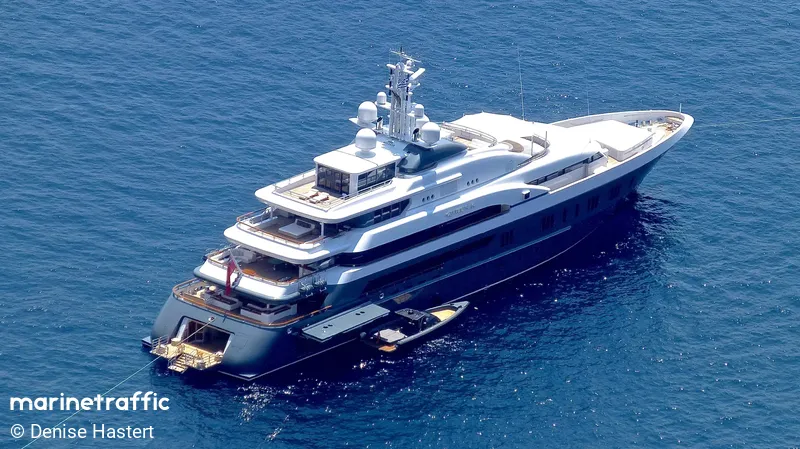
A vessel’s position is the boat’s, not the owner’s. Ownership is as reported, not certified.
Oleg Deripaska has owned only two registered hulls. He bought Clio from Lürssen in 2004. He then took Sputnik, a converted offshore support vessel, in 2006. This sequence reveals an owner who prioritises function over leisure until sanctions froze his fleet.
Oleg Deripaska owns two registered yachts. The first was Clio. She arrived in 2004. The second was Sputnik. She appeared in 2006. Both vessels sit under the Cook Islands flag. Neither has moved since 2022.
The gap between these two purchases is small. It spans only two years. Yet it marks a clear change in strategy. Deripaska moved from a standard luxury build to a converted industrial platform. This pattern matches his wider business approach.
He built his fortune in aluminium. He treats his maritime assets in the same way. He looks for utility and control. He avoids unnecessary cost. His fleet reflects this mindset. It is small, functional, and now frozen by law.
Why did Deripaska buy Clio in 2004?
Clio measures 72.6 metres. Lürssen built her. She was delivered in 2004. Her estimated value was $65 million. This price fits the market for new builds at that time.
Deripaska was expanding his aluminium empire then. He had consolidated Rusal by 2004. He was at the peak of his power. He owned the world's largest aluminium producer. Buying a large yacht was a natural step for a man in his position.
Clio served as a status symbol. She offered comfort and speed. She represented success in the metals trade. Deripaska used her for travel and leisure. She carried no special industrial features. She was a pure pleasure craft.
The purchase happened while Deripaska faced US visa issues. The US revoked his entry visa in 2008. This was four years after he bought Clio. The visa ban did not stop him from owning the boat. It just limited his personal access to it.
Clio remained active through the 2008 financial crisis. Deripaska lost much of his wealth then. He sold some assets to survive. He kept Clio. This suggests the yacht held value or sentimental worth. It also showed his continued control over key assets.
She stayed in service for only two years. This short life is unusual for a yacht of her size. Most owners keep a main hull for decades. Deripaska replaced her quickly. He did not upgrade her. He swapped her for something entirely different.
What drove the switch to Sputnik in 2006?
Sputnik measures 60 metres. She is shorter than Clio. But she is far more robust. She came from Boustead Langkawi Naval Shipyard. They converted her from an offshore support vessel in 2006.
An offshore support vessel is a workboat. It carries equipment for oil rigs. It has strong decks and heavy machinery. Converting one into a yacht keeps those hard features. It does not strip them away for luxury.
This choice aligns with Deripaska’s background. He studied physics. He worked in engineering. He understands machinery. He prefers systems that work. A converted hull offers durability. It offers space for equipment. It suits his practical nature.
Sputnik lacks the glamour of Clio. She has a utilitarian look. Her interior likely prioritises function. This is a stark contrast to the Lürssen build she replaced.
The switch signals a shift in priorities. Deripaska may have wanted more control. He may have valued privacy. A workboat hull is harder to inspect. It offers a different kind of security. It also costs less to maintain.
He kept both vessels under the same flag. The Cook Islands registration allows anonymity. It also simplifies management. Holding two hulls requires careful oversight. Deripaska managed this alongside his global business interests.
How do sanctions affect his fleet today?
Deripaska faces strict sanctions. The US sanctioned him in 2022. The EU followed shortly after. These bans freeze his assets. They stop him from moving money. They also trap his yachts.
Both Clio and Sputnik are immobilised. They cannot sail freely. They are stuck in ports. This is a direct result of the 2022 invasion of Ukraine. The West targeted Russian oligarchs to apply pressure.
Deripaska opposed the war publicly. He called it madness in August 2024. This stance angered the Kremlin. He lost a billion-dollar asset in response. The yachts are part of that broader loss of control.
The fleet is now static. AIS data shows little movement. The boats sit idle. Their value is theoretical. They cannot generate income. They cannot provide leisure. They are merely liabilities on a frozen balance sheet.
Deripaska’s wealth has shrunk since its peak. Forbes estimates his net worth at $4.1 billion. This is down from earlier highs. The yachts represent a fraction of that total. But they are visible symbols of his fall.
What does this sequence tell us about him?
Two hulls in twenty years is a small collection. Many billionaires own five or more. Deripaska’s restraint is notable. It reflects his focus on core businesses. He does not chase trends. He buys what he needs.
The move from Clio to Sputnik is key. It shows a preference for substance. He values engineering over aesthetics. He likes things that last. He dislikes waste. This mindset served him well in aluminium.
It may not serve him well now. Sanctions ignore personal taste. They freeze all assets equally. The functional design of Sputnik offers no protection. It offers no escape. It is just another locked door.
Deripaska remains a complex figure. He built a massive empire. He faced legal challenges in many countries. He survived the 2008 crash. He now faces geopolitical isolation. His yachts mirror his journey.
They started as tools of success. They ended as trophies of conflict. The story of Clio and Sputnik is the story of Deripaska himself. It is a story of rise, consolidation, and sudden halt.
Reporting and data: CelebYachts, republished by On the record.
Sources
The numbers on this page point here. Each one links to the record it came from.
- 1