
 CelebYachts reportInvestigations
How Astilleros Armón builds Hydrotug 1 and Wayfinder
The Spanish yard uses its narrow river to build precise vessels. It delivered the world's first hydrogen tugboat and three yachts under seventy metres.
By On the record · Aug 26, 2026 · Data from CelebYachts1
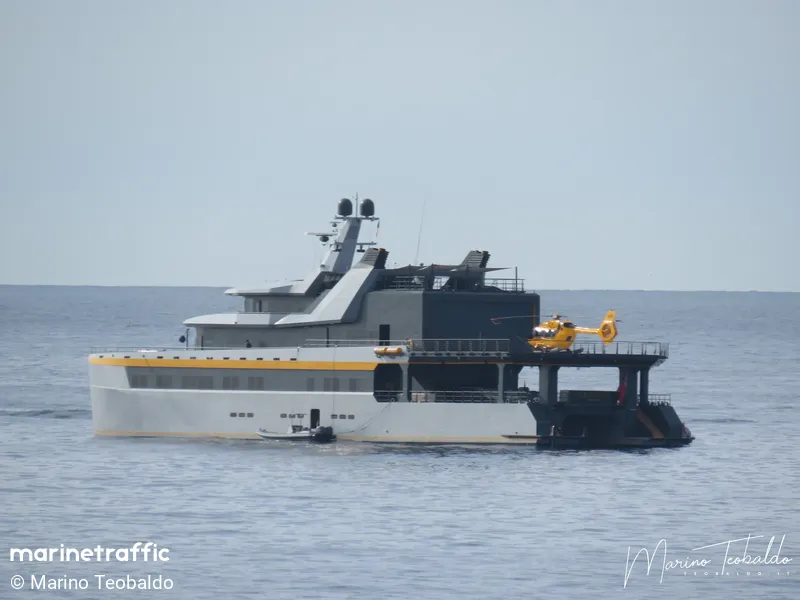
A vessel’s position is the boat’s, not the owner’s. Ownership is as reported, not certified.
Astilleros Armón in Navia, Spain, has built three yachts since 2019. Its most significant recent work is Hydrotug 1, a Belgian tugboat powered by hydrogen combustion engines. The yard’s location shapes every project it undertakes.
Astilleros Armón is a shipyard in Navia, Spain. It does not chase speed records. It builds precise, short-haul projects. A narrow river and a commercial hydrogen contract shape its engineering.
The yard has delivered three yachts since 2019. These vessels sit under seventy metres long. Their combined length is just over two hundred metres. This output is small compared to major yards. Yet their precision defines the yard's reputation.
Its most significant recent work sits in Belgium. Hydrotug 1 is the world's first tugboat with hydrogen combustion engines. It started service in 2024. This vessel shows how geography drives innovation. The yard uses its constraints to solve hard problems.
How does the river shape the yard?
Navia is a small town on the northern coast of Spain. The river there is narrow and shallow. This limits the size of ships that can leave the yard. A large hull cannot fit through the channel. It cannot pass under the local bridges. The yard accepts this limit as a fact.
This constraint forces design choices early on. Engineers must plan around the water depth. They cannot assume unlimited space for growth. Every beam and draft is checked against the river. This creates a culture of precision. Waste is avoided because space is tight.
The slipway reflects these physical limits. It handles vessels up to sixty-eight metres. Wayfinder measures sixty-eight point two metres. She represents the upper limit of current capacity. Any yacht longer than this would need another yard.
The workforce knows these boundaries well. They have worked here for generations. This experience helps them navigate complex builds. They understand how wind and tide affect the slipway. This local knowledge is hard to copy elsewhere.
The yard focuses on quality over quantity. Fewer hulls mean more attention per project. Each yacht gets detailed oversight. This approach suits clients who value craft. It also suits the limited infrastructure. The river dictates the pace of work.
Why did the yard build Hydrotug 1?
Hydrotug 1 changed the yard's profile. It is a tugboat. It proves the yard's engineering skill. The vessel burns hydrogen in its engines. This reduces carbon emissions significantly. It is a proof of concept for shipping.
CMB.TECH designed the Belgian vessel. Astilleros Armón built it in Navia. The yard adapted its facilities for this task. It installed special storage for compressed gas. The deck holds stillages for fuel tanks.
The engines are dual-fuel units. They run on diesel or hydrogen. Each engine produces about two megawatts. This power is enough for a tug. It is not enough for a superyacht. The yard matched the power to the job.
The vessel weighs four hundred ninety-six tons. It is thirty metres long. This size fits the Navia river perfectly. It can leave the yard without delay. The Port of Antwerp-Bruges received it in late 2023. It started work in 2024.
This project supports a climate-neutral goal. The port wants to be clean by 2050. Hydrogen lowers local pollution. It cuts CO2 compared to fossil fuels. The yard helped make this possible. It showed that old engines can burn new fuel.
The success of Hydrotug 1 opens doors. Other ports may want similar tugs. The yard has proven its capability. It can handle complex energy systems. This reputation attracts diverse clients. Yacht owners see a yard that innovates.
What yachts has the yard built?
The register lists three yachts from Astilleros Armón. They are all under seventy metres. Their total length is two hundred point one four metres. Wayfinder is the longest at sixty-eight point two metres. Hodor follows at sixty-six point two metres. Nebula rounds out the group at sixty-seven metres.
Hodor was the first of these. It arrived in 2019. It set the tone for future builds. The design was clean and efficient. It used the full width of the slipway. This maximised interior volume within limits.
Wayfinder came next in 2021. She pushed the size boundary. Her length tests the river's depth. The yard managed her launch carefully. She proved the yard could handle larger projects. Clients noticed this capability.
Nebula followed in 2022. She matches Hodor in style. Both share standardised proportions. This suggests a repeatable design process. Efficiency drives the construction schedule. Materials are sourced locally where possible. Labour is skilled and steady.
These yachts focus on seaworthiness and comfort. The interiors are practical. The exteriors are sleek. They suit coastal cruising. They do not attempt transoceanic voyages. This matches the owner's likely needs.
The yard advertises reliability. Owners know what they get. There are no hidden surprises. The build quality is consistent. This trust brings repeat business. Word spreads among serious buyers.
How does the geometry of sixty-seven metres matter?
Sixty-seven metres is a sweet spot. It is large enough for comfort. It is small enough for the river. Most yachts in this range share traits. They have similar beam widths. They have similar draft depths.
This consistency helps the yard. Workers learn the patterns quickly. Jigs and fixtures can be reused. Time is saved on each hull. Costs remain stable for clients. The yard avoids custom errors. Standardisation reduces risk.
The hull form is optimized for stability. It cuts through waves efficiently. It does not pitch excessively. This makes for a smooth ride. Passengers feel secure on board. The design prioritizes motion comfort. Speed is secondary to comfort.
Interior layout follows the hull shape. Spaces are defined by the beams. Cabins are placed along the sides. The salon sits forward or aft. This maximizes natural light. Views are unobstructed by structure. The result feels spacious inside.
The yard's book shows this pattern. All three yachts follow this logic. They are refined products. Each one improves on the last. Small tweaks add value. The core remains solid.
Reporting and data: CelebYachts, republished by On the record.
Sources
The numbers on this page point here. Each one links to the record it came from.
- 1