
 CelebYachts reportProfiles
How Lloyd Werft finishes stranded ships
The Bremerhaven yard takes over unfinished hulls from failed builders. It built Luna and Solaris using the same heavy infrastructure.
By On the record · Sep 18, 2026 · Data from CelebYachts1
A vessel’s position is the boat’s, not the owner’s. Ownership is as reported, not certified.
Lloyd Werft completes vessels other yards leave behind. The yard finished two liners for Norwegian Cruise Line after their original builders went bankrupt. Its record on our register includes Luna and Solaris.
Lloyd Werft is a shipyard in Bremerhaven, Germany. It does not chase new contracts. It takes over unfinished steel. The yard completes vessels that other builders left behind.
The facility has a dry dock and covered sheds. These structures handle massive delays. They allow the yard to work on large hulls without weather interruptions. This setup defines its business model.
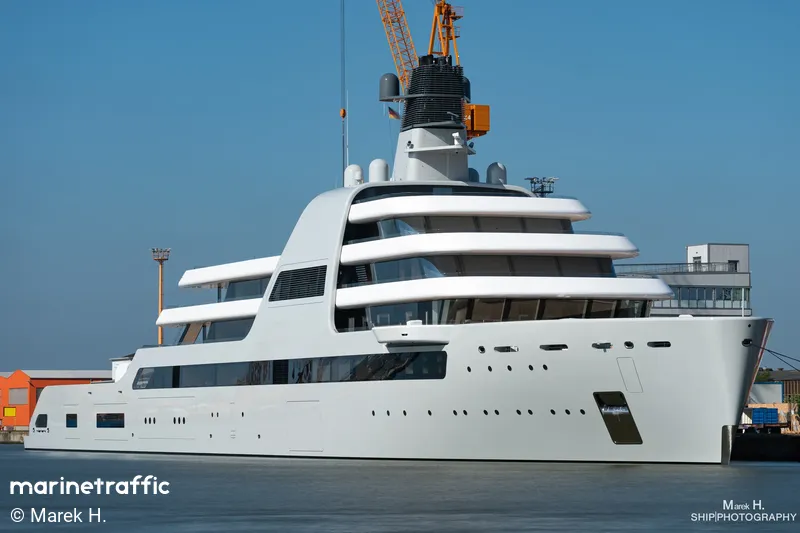
Our list shows two superyachts built by this yard. Luna entered service in 2010. Solaris followed in 2021. Both rely on the same heavy approach. The yard also finished two cruise liners after their original builders failed.
Why did Lloyd Werft finish Costa Olympia?
Costa Cruises ordered Costa Olympia in December 1993. They hired the Bremer Vulkan yard in Bremen. The yard number was 108. Construction started months after the first sister ship, Costa Victoria, launched in July 1996. Bremer Vulkan faced money trouble by July 1996. Work on Costa Olympia stopped when only 35% of the ship was done. The incomplete hull launched on October 6, 1996. It floated out of drydock and lay idle. Costa Cruises refused to buy the unfinished ship. Norwegian Cruise Line bought it in December 1997. They redesigned it as Norwegian Sky. Tillberg Design handled the changes. The ship moved to Lloyd Werft on March 8, 1998. Lloyd Werft completed the build there. The ship kept yard number 108 under special rules. Sea trials happened on July 17, 1999. Delivery to Norwegian Cruise Line occurred on July 28, 1999. She entered service on August 9, 1999.
Norwegian Sky sailed from Dover to Norway for her maiden voyage. She was the first new ship for the line in six years. NCL moved her to NCL America in October 2004. She became Pride of Aloha. The rebranding faced issues. A storm damaged the purpose-built Pride of America during construction at Lloyd Werft. Pride of Aloha rushed into service instead. She required US citizens for crew. Labor markets were thin. Service quality suffered at first. NCL launched an aggressive training program. Training moved to Piney Point, Maryland. Passenger satisfaction improved. The ship returned to Norwegian Cruise Line in May 2008. She reverted to her original name. Norwegian Sky sold to Ample Avenue in January 2009. Genting Hong Kong owned the subsidiary. NCL chartered the ship back. NCL exercised a purchase option in June 2012. The price was about $260 million. Hurricane Irma caused cancellations later. Norwegian Sky evacuated travelers from St. Thomas. She took them to Miami. In April 2025, NCL announced a long-term charter to Cordelia Cruises. The ship leaves the Norwegian fleet in late 2026.
How does the yard handle superyacht orders?
Lloyd Werft built Luna in 2010. She measures 114.0 metres. This project set the baseline for fitting-out at the yard. It proved the place could handle luxury specs alongside commercial scale. Solaris followed eleven years later. She entered service in 2021. Her length is 139.0 metres. She represents the upper limit of the yard’s current book. The size matches the heavy model used for cruise liners. The combined length of these two yachts is 253.0 metres. Solaris is the longest vessel on our register from this yard. The yard’s history with large hulls supports these builds. The dry dock accommodates their draft.
The yard’s capabilities extend beyond just completion. They have built other vessels for Norwegian Cruise Line. Norwegian Sun delivered in 2001 used the same design lineage as Norwegian Sky. The yard maintains continuity in its workflows. This approach creates a specific niche. New yards build from scratch. Lloyd Werft integrates existing steel. It requires precise engineering to merge old structures with new systems. The covered sheds protect this sensitive work. The yard’s location in Bremerhaven matters. The river provides access for large hulls. The facilities are designed for volume. This allows them to take on projects others cannot manage. The risk falls on the yard, not the owner. Owners pay for certainty. When a builder fails, the asset is stranded. Lloyd Werft unstrands it. They deliver a working ship. This reliability attracts clients facing similar crises. The business model thrives on instability elsewhere. The transition from cruise to superyacht is seamless. The skills overlap significantly. Large-scale outfitting demands the same precision. Lloyd Werft applies its commercial experience to private clients. The result is robust, high-value vessels. Future orders may follow this pattern. The yard has proven it can handle complexity. It manages delays and redesigns efficiently. Clients value this flexibility. The yard remains a key player in the German shipbuilding sector.
Costa Cruises ordered Costa Olympia in December 1993. They hired the Bremer Vulkan yard in Bremen. The yard number was 108. Construction started months after the first sister ship, Costa Victoria, launched in July 1996.
Bremer Vulkan faced severe financial difficulties by July 1996. Work on Costa Olympia stopped when only 35% of the ship was complete. The incomplete hull launched on October 6, 1996. It floated out of drydock and lay idle.
Costa Cruises refused to buy the unfinished ship. Norwegian Cruise Line bought it in December 1997. They redesigned it as Norwegian Sky. Tillberg Design handled the changes. The ship moved to Lloyd Werft on March 8, 1998.
Lloyd Werft completed the construction there. The ship kept yard number 108 under special circumstances. Sea trials happened on July 17, 1999. Delivery to Norwegian Cruise Line occurred on July 28, 1999. She entered service on August 9, 1999.
Norwegian Sky sailed from Dover to Norway for her maiden voyage. She was the first new ship for the line in six years. NCL moved her to NCL America in October 2004. She became Pride of Aloha.
The rebranding faced issues. A storm damaged the purpose-built Pride of America during construction at Lloyd Werft. Pride of Aloha rushed into service instead. She required US citizens for crew. Labor markets were thin. Service quality suffered initially.
NCL launched an aggressive training program. Training moved to Piney Point, Maryland. Passenger satisfaction improved. The ship returned to Norwegian Cruise Line in May 2008. She reverted to her original name.
Norwegian Sky sold to Ample Avenue in January 2009. Genting Hong Kong owned the subsidiary. NCL chartered the ship back. NCL exercised a purchase option in June 2012. The price was approximately $260 million.
Hurricane Irma caused cancellations later. Norwegian Sky evacuated travelers from St. Thomas. She took them to Miami. In April 2025, NCL announced a long-term charter to Cordelia Cruises. The ship leaves the Norwegian fleet in late 2026.
Lloyd Werft built Luna in 2010. She measures 114.0 metres. This project set the baseline for superyacht fitting-out at the yard. It proved the facility could handle luxury specifications alongside commercial scale.
Solaris followed eleven years later. She entered service in 2021. Her length is 139.0 metres. She represents the upper limit of the yard’s current book. The size matches the heavy-infrastructure model used for cruise liners.
The combined length of these two yachts is 253.0 metres. Solaris is the longest vessel on our register from this yard. The yard’s history with large hulls supports these superyacht builds. The dry dock accommodates their draft.
The yard’s capabilities extend beyond just completion. They have built other vessels for Norwegian Cruise Line. Norwegian Sun delivered in 2001 used the same design lineage as Norwegian Sky. The yard maintains continuity in its workflows.
This approach creates a specific niche. New yards build from scratch. Lloyd Werft integrates existing steel. It requires precise engineering to merge old structures with new systems. The covered sheds protect this sensitive work.
The yard’s location in Bremerhaven matters. The river provides access for large hulls. The facilities are designed for volume. This allows them to take on projects others cannot manage. The risk falls on the yard, not the owner.
Owners pay for certainty. When a builder fails, the asset is stranded. Lloyd Werft unstrands it. They deliver a working ship. This reliability attracts clients facing similar crises. The business model thrives on instability elsewhere.
The transition from cruise to superyacht is seamless. The skills overlap significantly. Large-scale outfitting demands the same precision. Lloyd Werft applies its commercial experience to private clients. The result is robust, high-value vessels.
Future orders may follow this pattern. The yard has proven it can handle complexity. It manages delays and redesigns efficiently. Clients value this flexibility. The yard remains a key player in the German shipbuilding sector.
Reporting and data: CelebYachts, republished by On the record.
Sources
The numbers on this page point here. Each one links to the record it came from.
- 1