Key facts
- AI stocks have driven markets to record highs and bolstered the economy, but investors are worried about a potential bubble.1
- Investors anticipated that AI giant Anthropic’s stock market debut last week would lift markets.1
- About half of firms surveyed by the National Association for Business Economics said they saw some gains, but they were not widespread.1
- Austan Goolsbee, head of the Federal Reserve Bank of Chicago, says the investment in AI is already affecting the economy and contributing to inflation, and that the Fed must address inflation challenges right now.1
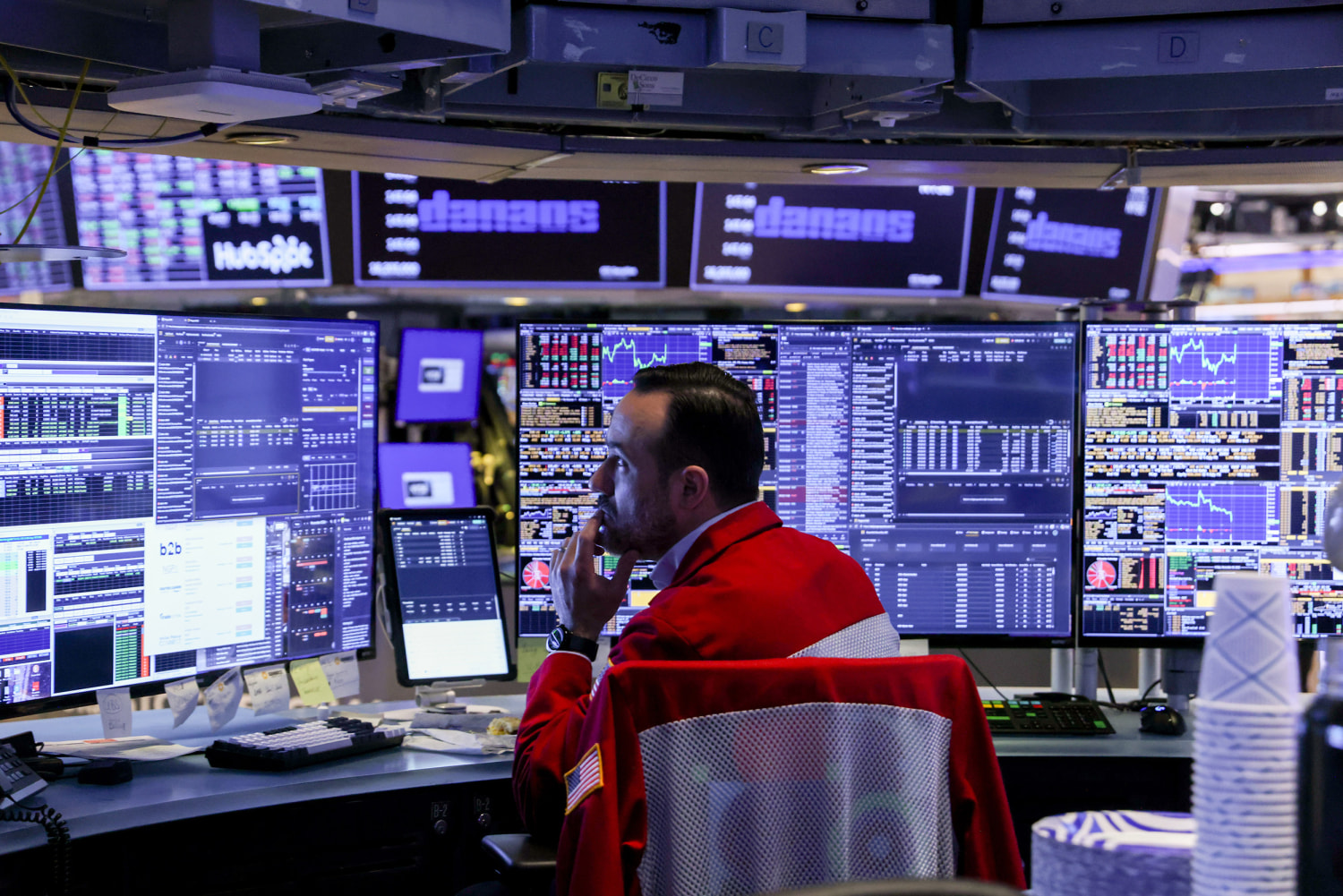
Artificial intelligence is causing significant swings in the stock market as investors speculate about the future of the technology boom.1
AI stocks have driven markets to record highs and bolstered the economy..1 Concerns are growing about a potential bubble.1
Wall Street’s Worst Week
Investors anticipated that AI giant Anthropic’s stock market debut last week would lift markets, but instead Wall Street experienced one of its worst weeks in recent times.1
Mixed AI Productivity Gains
The National Association for Business Economics released a survey asking firms about their AI experiences.1 NPR’s Scott Horsley tells Up First that one in five reported measurable, widespread productivity gains, while about half said they saw some gains, but they weren’t widespread.1
About 30% were either not using AI or felt it was too soon to assess its impact.1
Fed Faces Inflation Pressure
Austan Goolsbee, head of the Federal Reserve Bank of Chicago, pointed out that the significant investment in AI is already affecting the economy, contributing to inflation by increasing demand for construction materials and electronic components.1
Although proponents believe AI could eventually help lower costs and limit inflation, Goolsbee tells Horsley that the Federal Reserve must address inflation challenges right now.1