Key facts
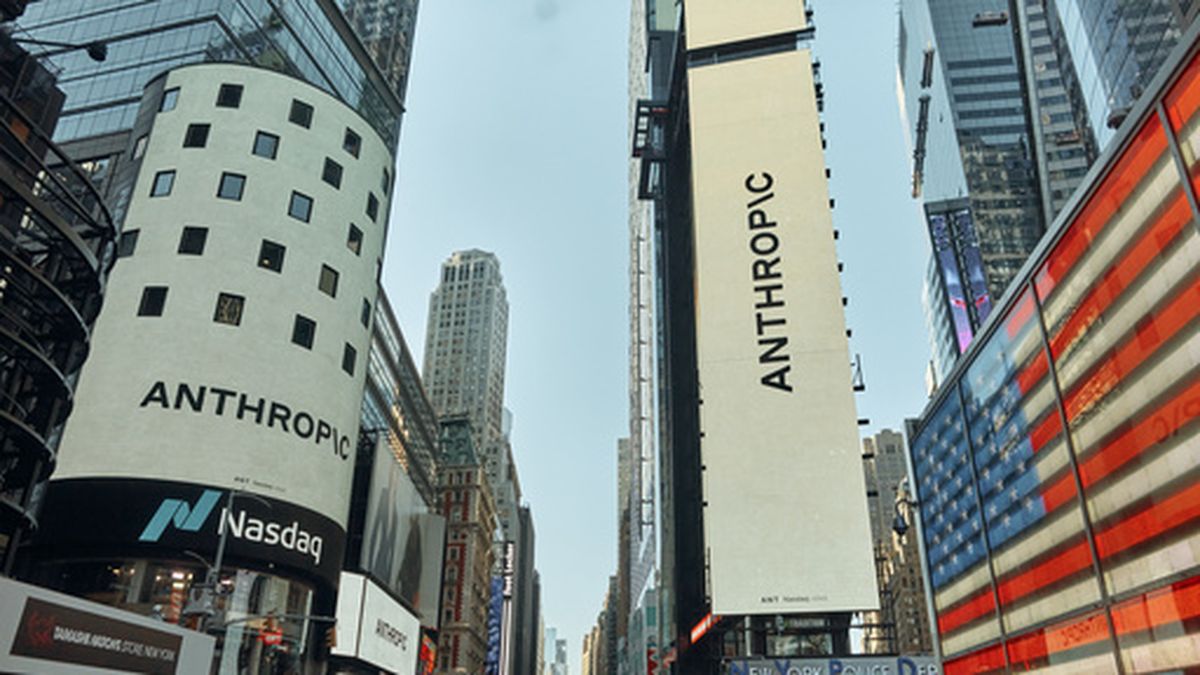
Anthropic’s record-breaking stock market debut has exposed growing tensions between major artificial intelligence companies and Wall Street, after the technology firm imposed unusual restrictions on investment banks involved in its initial public offering (IPO), according to a Reuters investigation published on Sunday.1
The offering, internally code-named “Project Lantern,” generated more than half a billion dollars in fees for bankers but was accompanied by complaints over compressed deadlines, last-minute changes, restricted access to financial documents and unusual contractual conditions.1
The experience has drawn comparisons with SpaceX’s IPO in June, which also generated substantial fees while leaving some participating bankers dissatisfied with the company’s control over the process.1
Restrictions on Deal Teams
Reuters reported that Anthropic instructed some of the 22 banks underwriting its offering to restrict their deal teams to four bankers.1
Reuters reported that Anthropic preferred senior personnel for the deal teams.1
One source indicated that banks nevertheless found ways to work around the limitation.1
Anthropic asked some senior banking officers to sign agreements preventing key members of their transaction teams from working with competing companies for six months after the IPO.1
The competing companies included OpenAI, Cursor, DeepSeek and Hugging Face.1
Bankers and lawyers described the restrictions as unusually broad for a public offering, particularly because they applied to individual professionals rather than simply managing conflicts between competing corporate clients.1
People familiar with the transaction said the restriction was intended to reduce the risk of confidential information leaking into the media.1
Information Security Concerns
Information security was another major concern during Anthropic’s offering.1
In response, Anthropic used the NetRoadshow platform to distribute documents to most participating banks rather than conventional PDF files.1
The NetRoadshow system recorded which individuals accessed documents and which pages they viewed.1
Documents carried individual bankers’ names as watermarks.1
The NetRoadshow platform’s restrictions on saving document copies reportedly complicated the banks’ work.1
A draft of the updated securities filing, known as Form S-1A, was intended to be circulated ahead of the company’s November 10 marketing launch.1
Reuters reported details from a draft IPO filing nearly four weeks before the company publicly submitted its registration statement.1
The draft filing revealed information about Anthropic’s financial position, risk factors and relationships with other technology companies.1
A law firm initially emailed banks a PDF containing incorrect price-range and share information relating to the Canadian offering.1
The law firm subsequently instructed recipients to disregard the PDF.1
The corrected filing was then distributed through NetRoadshow at approximately 2 a.m. New York time, leaving banks only several hours to review and approve the documents before submission to the Securities and Exchange Commission.1
A Changing Relationship
The restrictions reflect a changing relationship between technology companies and financial institutions as demand for artificial intelligence investments gives major private technology firms greater negotiating power.1
Companies such as Anthropic and SpaceX can impose conditions on underwriters because of the extraordinary investor interest surrounding their shares.1
Jay Ritter, professor emeritus at the University of Florida and an IPO researcher, told Reuters that these companies had acquired sufficient market influence to demand arrangements that departed from conventional underwriting practices.1
Ritter suggested that such conditions might not become standard across the wider IPO market.1
Both SpaceX and Anthropic negotiated to pay underwriters no commission on additional shares sold through the overallotment, or greenshoe, option.1
Anthropic, Goldman Sachs and Morgan Stanley were the two lead underwriters.1
Goldman Sachs and Morgan Stanley declined to comment to Reuters.1
SpaceX and OpenAI did not respond to requests for comment.1
Despite the complications, both SpaceX and Anthropic completed successful listings and attracted investor demand far exceeding the shares available.1
The contrasting experiences suggest that record-breaking demand for AI-related listings is not eliminating operational risks or guaranteeing sustained market performance.1