Key facts
- The U.S. Army intentionally blew up the nation’s entire stockpile of lead azide.1
- All 5 tons of lead azide were successfully destroyed at the Iowa Army Ammunition Plant in Middletown1
- Officials said the barrels had degraded and were at risk of exploding uncontrollably as the weather gets colder.1
- The Army said the wind was expected to carry the plume southwest toward neighboring Missouri and away from nearby Burlington1
The U.S. Army intentionally blew up the nation’s entire stockpile of lead azide, a chemical used to make explosives, saying early signs Wednesday indicated the controlled detonation in Iowa did not allow any toxic dust to spread to nearby homes and farms.1
The plan for the detonation was announced just days in advance.1
Detonation at Iowa plant
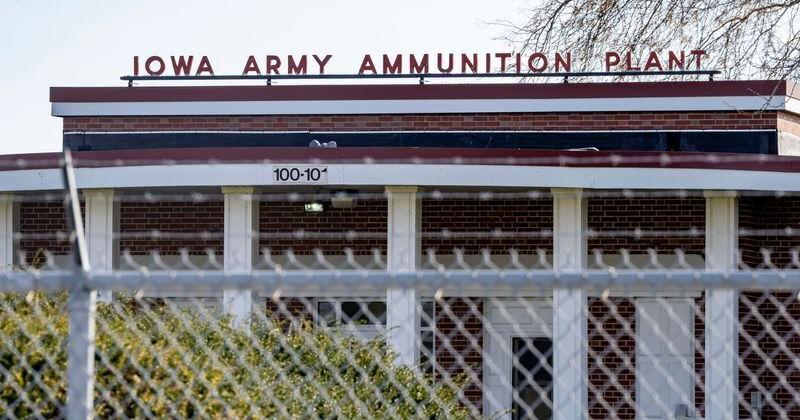
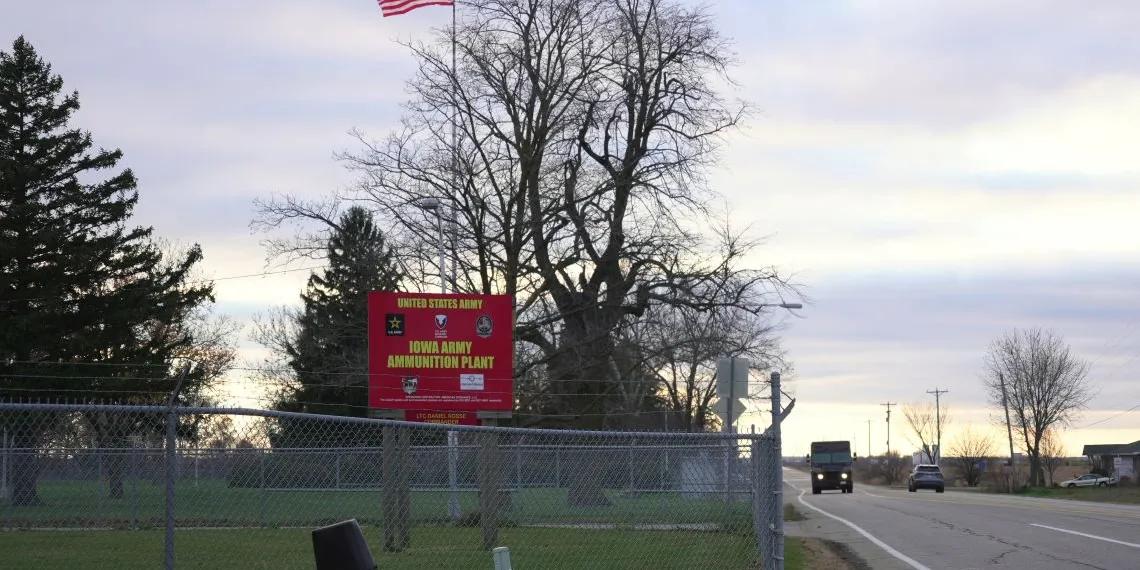
All 5 tons of lead azide were successfully destroyed at the Iowa Army Ammunition Plant in Middletown, Maj. Gen. Eric Shirley, who led the Army operation, said at a news conference.1
The Army said the smoke went away in minutes.1
The Army said the plumes rolled high in the air before quickly dissipating.1
The Army said the wind was expected to carry the plume southwest toward neighboring Missouri and away from nearby Burlington, a city of just under 25,000 people along the Mississippi River.1
Early signs of success
U.S. Environmental Protection Agency air monitors reported no lead in the air around the plant.1
The Army attributed the smoke to foam that was sprayed on the blast to tamp down any dust.1
An Associated Press reporter watched and filmed the blasts, along with several bystanders parked on the side of a road less than a mile away—and upwind—from the site.1
Delays and public backlash
The blast originally was planned for last Friday.1
The Army changed the detonation date three times amid public backlash and to allow more time for safety measures and favorable wind, according to court documents.1
The Army set up additional “blast barriers” around the two bunkers where the 68 barrels of lead azide were detonated.1
Ballistic gels, foams and more than 100,000 gallons (380,000 liters) of water were intended to absorb the lead dust.1
Officials call it a success
Acting Secretary of the Army Adam Telle along with the Republican governors of Iowa and Missouri said it appeared to be a success and that the explosion was well-contained.1
President Donald Trump posted on social media that early reports showed the Army’s mitigation efforts have far exceeded expectations.1
Shirley said the risk was “reduced as close to zero as it’s absolutely humanly possible.”2
Residents take precautions
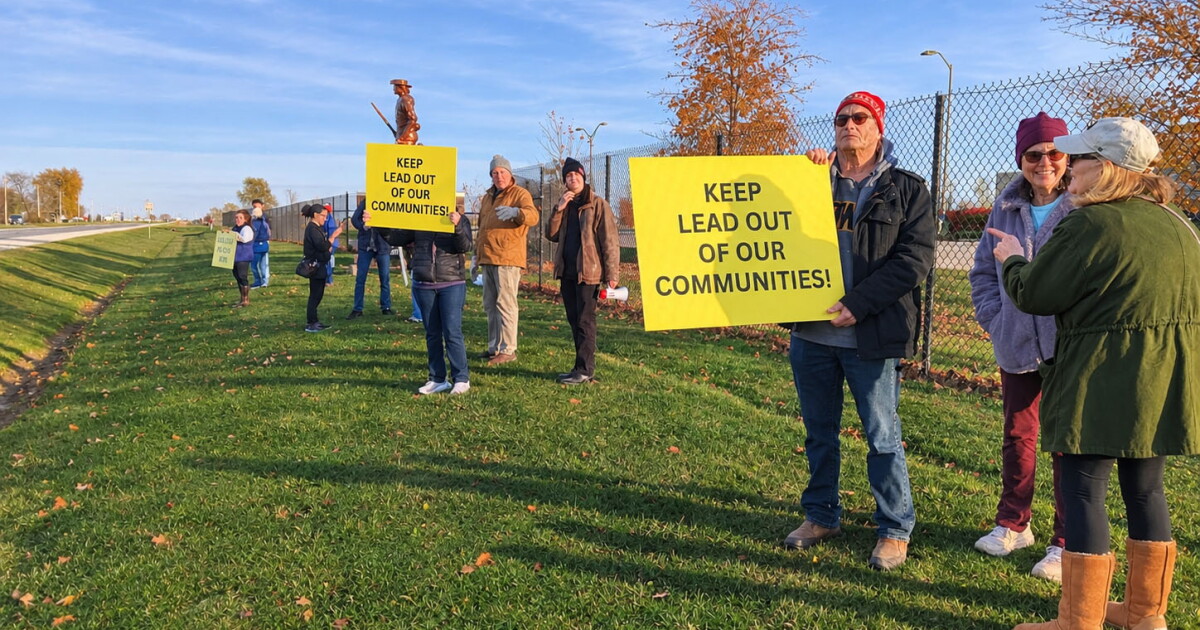
Government officials encouraged residents within 5 miles (8 kilometers) of the site to evacuate.1
Schools that weren’t already closed for the upcoming Thanksgiving holiday canceled classes, and a gas station near the detonation site posted a note on the front door saying they’d be back open once it’s safe.1
Some residents sealed their windows and doors as a precaution.1
Testing to come
Government agencies and independent researchers plan to do extensive environmental testing for lead in the weeks ahead on water sources, farms, homes and playgrounds.2
Some experts cautioned that it’s too early to know whether communities are in the clear.2
Andrew Whelton, an environmental engineering professor at Purdue University who has helped communities recover from chemical disasters, said the EPA’s air quality data was promising.2
Whelton said, “This should take days to weeks.”2
Colin Wellenkamp, the executive director of the Mississippi River Cities and Towns Initiative, said water treatment facilities along the Mississippi and Missouri rivers will be testing periodically to make sure that there are no detectable spikes.2