Baghdad takes control of Kurdish border crossings, oil fields

Key facts
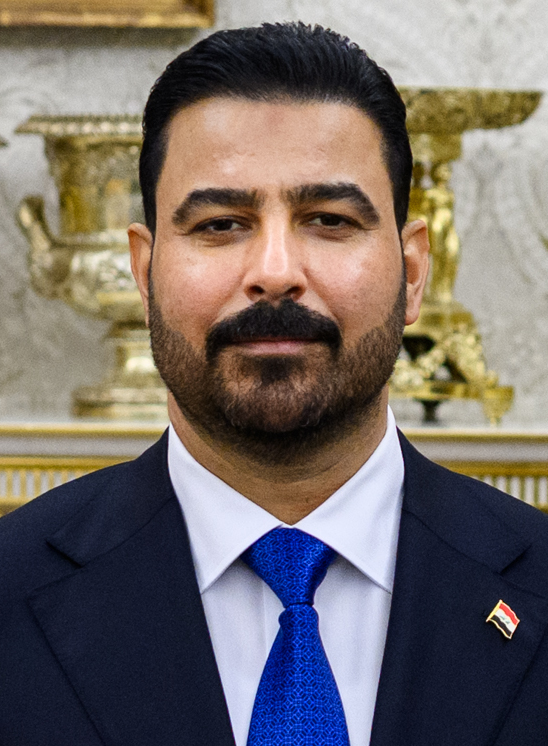
- On Tuesday, 24 November, Prime Minister Ali al-Zaidi told federal authorities to take charge of border crossings run by the Kurdistan Regional Government (KRG) and placed several oil fields under federal oversight.1
- On Wednesday, 25 November, the Supreme Court of Iraq approved federal forces along all international borders.1
- On Thursday, 26 November, Iraqi border forces closed the Al Walid crossing with Syria and the Bastah crossing with Iran.1
- Thousands of Kurds protested on Thursday, 26 November.1
Iraq’s government is moving to bring parts of the Kurdistan Region under central authority, and the first step came on Tuesday, 24 November, when Prime Minister Ali al-Zaidi instructed federal authorities to take charge of border crossings run by the Kurdistan Regional Government (KRG) and moved to place several oil fields under federal oversight.1
Baghdad presented the decision as part of a wider effort to strengthen central control over strategic resources, including oil fields guarded by Kurdish security forces.1
Court backs federal control of borders
On Wednesday, 25 November, the Supreme Court of Iraq approved the deployment of federal forces along the country’s international borders, including those running through the Kurdistan Region..1 The court recognized the right of federal authorities to control all border crossings.1
The court also ruled that the oil ministry holds the constitutional and legal powers to supervise activities and contracts covering oil production, extraction, trade and exports.1
Crossings closed, protests erupt
Iraqi border forces closed the Al Walid crossing with Syria and the Bastah crossing with Iran, both previously run by the KRG, on Thursday, 26 November, according to state media..1 The border force commander confirmed the closures to the Iraqi News Agency.1
Thousands of Kurds protested on Thursday, 26 November, against the plan to place oil fields under federal control and to deploy federal troops along the region’s international borders..1 Kurdish authorities described the decision as a constitutional violation, and the government has not yet set a timetable or a method for applying the new measures.1
Trump backs the move
On Friday, 27 November, Trump posted on Truth Social that the United States supports Zaidi’s efforts to enforce state authority across Iraq, halt oil smuggling, end corruption and place all weapons under exclusive state control.1
Since taking office, Zaidi has promised to fight corruption, and his government has ordered the detention of some officials involved in illegal oil trade operations..1 He has also taken steps against Iran-backed armed groups in areas where smuggling was uncovered.1
Government spokesman Haider al-Abadi said Baghdad regards oil exports made without the state marketing company SOMO as smuggling, because the revenues from those sales do not reach state coffers..1 He added that Iraq estimates it lost about $100 billion to oil smuggling through the Kurdistan Region between 2008 and 2025..1 The article reporting the figure did not explain how it was calculated.1
Sources
Every number in the story points here. Each links to the original reporting.
LocalPollar
See a sentence its source doesn’t back up?
Tell us the source number and what’s wrong. We check every report. If we change the story, the fix goes on the corrections page with the old wording.