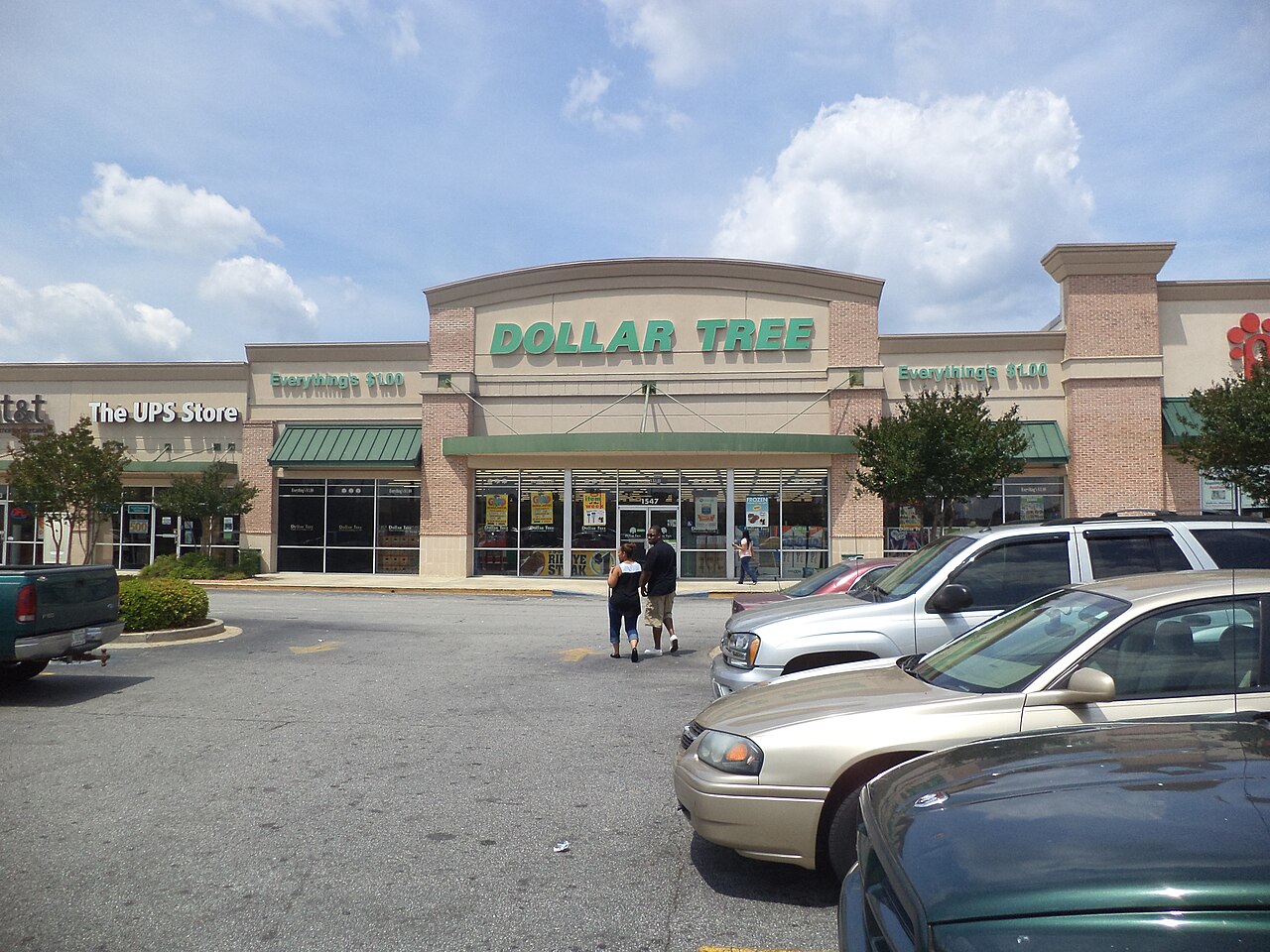
Retailers Face Spending Pressures as Consumers Turn to AI for Better Deals

Key facts
- Black Friday 2026 is presenting a significant challenge for retailers.1
- According to the National Retail Federation, retail sales in the United States during November and December 2026 are expected.1
- Businesses compete through online promotions, discounts and personalised shopping experiences.1
- A Deloitte survey offers another perspective on consumer behaviour.1
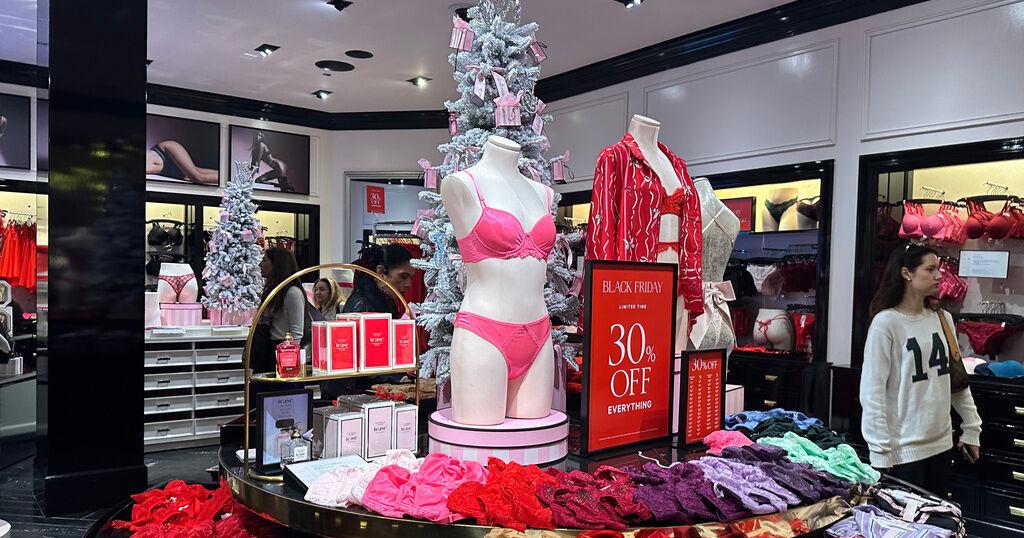
Black Friday 2026 is presenting a significant challenge for retailers as rising living costs, cautious consumer spending and the growing use of artificial intelligence reshape the holiday shopping season.1
The traditional shopping period following Thanksgiving continues to play an important role in determining retailers' performance during the final months of the year.1
Black Friday has gradually developed into a weeks-long retail event, with businesses competing through online promotions, discounts and personalised shopping experiences.1
Major retailers, including Walmart and Target, are hoping to benefit from more than $1 trillion in projected holiday spending across the United States.1
Retail Sales Growth
According to the National Retail Federation, retail sales in the United States during November and December 2026 are expected to increase by 4.2% compared with the previous year, reaching approximately $1.013 trillion.1
This represents stronger projected growth than the 3.1% increase recorded in 2025.1
The National Retail Federation estimates that approximately 182.7 million consumers will shop during the Thanksgiving weekend in 2026, compared with 202.9 million in the previous year.1
This suggests that more consumers may take part in holiday shopping events without necessarily increasing the amount they spend.1
Inflation And Consumer Spending
Inflation has increased the cost of everyday essentials, leaving many consumers with less disposable income for non essential purchases.1
Retailers must therefore balance competitive pricing with the need to protect their profit margins during one of the busiest periods of the year.1
Consumer prices continued to face upward pressure in October, particularly in categories such as food and accommodation.1
Rising oil prices, influenced by geopolitical tensions surrounding the United States and Israel’s war against Iran, have added further uncertainty to the economic outlook.1
Artificial Intelligence And Consumer Behaviour
Artificial intelligence is becoming another important influence on how consumers discover products and make purchasing decisions.1
A Deloitte survey offers another perspective on consumer behaviour, finding that average spending between Black Friday and Cyber Monday is expected to remain unchanged from the previous year at approximately $624 per shopper.1
Participation is projected to reach 87%, the highest level in a decade.1
Several major retailers have also expressed caution about holiday demand.1
Walmart, Ross Stores, Gap, Bath and Body Works and Lowe’s have indicated that consumer spending patterns remain uneven.1
Retailers will need to consider the impact of inflation when interpreting the increase.1
Sources
Every number in the story points here. Each links to the original reporting.
LocalInfluencer Magazine UK
See a sentence its source doesn’t back up?
Tell us the source number and what’s wrong. We check every report. If we change the story, the fix goes on the corrections page with the old wording.