El Niño rains raise risk of deadly mushroom poisonings

Key facts
- California experienced an outbreak of severe illness, liver failure.1
- Posters and flyers on the mushrooms are available in English, Spanish, Mam and K’iche', Chinese, Ukrainian and Russian.1
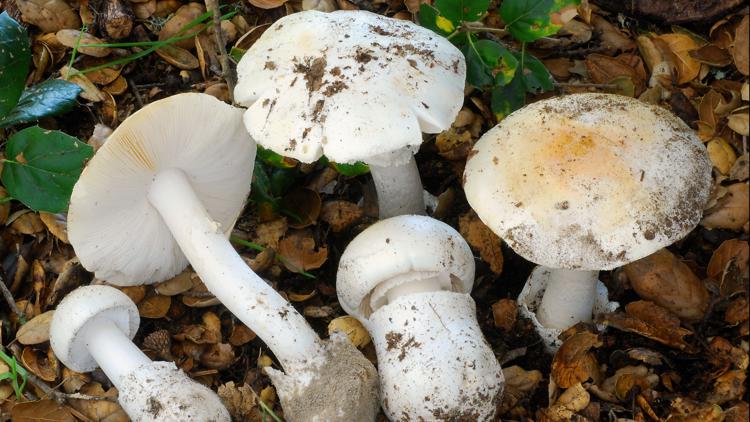
- Experts highlighted Death Caps, also known as Amanita phalloides, and Western Destroying Angels, also known as Amanita ocreata, as major threats to the public.1 The rain that occurs during El Niño storms could increase the growth of these deadly mushrooms.1
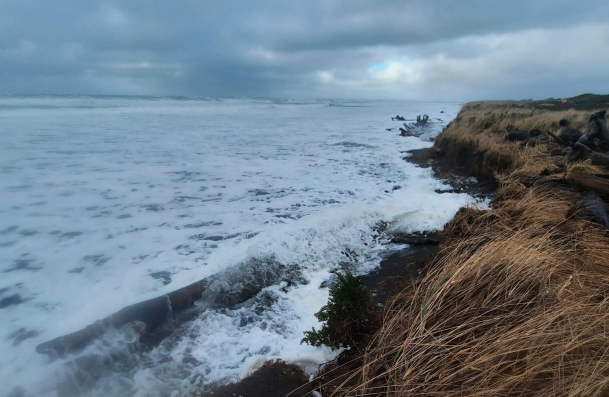
The California Department of Public Health is warning that El Niño conditions could lead to the increased growth of poisonous mushrooms..1 Storms are hitting much of the North Coast, leading health experts to warn the public to be on high alert for highly poisonous mushrooms.1
Experts highlighted Death Caps, also known as Amanita phalloides, and Western Destroying Angels, also known as Amanita ocreata, as major threats to the public..1 The rain that occurs during El Niño storms could increase the growth of these deadly mushrooms.1
An outbreak killed four people
California experienced an outbreak of severe illness, liver failure and deaths linked to people accidentally eating Death Cap and Western Destroying Angels mushrooms..1 The outbreak began in November 2025, when 50 people were hospitalized between then and May 2026.1
Four people required liver transplants, and four people died..1 Before this outbreak, California typically reported fewer than five amatoxin poisonings each year.1
Mushrooms grow in yards and parks
The mushrooms can resemble edible varieties in appearance and taste, making them difficult to identify even for experienced foragers..1 They grow on the ground, most often near oak trees, but may also grow near some other types of trees..1 Death Caps typically start to bloom in the fall, after the first rains, and continue into the spring..1 Western Destroying Angels typically bloom later in winter through the spring.1
They can grow in yards, neighborhoods and parks, not just in the wilderness.1
Resources in many languages
CDPH has developed a variety of educational resources on poisonous wild mushrooms in different languages..1 Webpages are available in English and Spanish..1 Posters and flyers are available in English, Spanish, Mam and K’iche', two Indigenous Mayan languages, Chinese, Ukrainian and Russian.1
Sources
Every number in the story points here. Each links to the original reporting.
LocalKRCR
See a sentence its source doesn’t back up?
Tell us the source number and what’s wrong. We check every report. If we change the story, the fix goes on the corrections page with the old wording.