Japan Protests U.S. 15% Tariff on Imports, Alleges Excess Capacity


Key facts
- Japan has protested to the U.S. over its plans to impose a 15% levy on imports from the Asian country.1
- Both the proposed rate and the potential increase are consistent with what the two nations agreed to in a deal.1
- So far, three rounds of projects worth $130 billion have been announced under the initiative.1
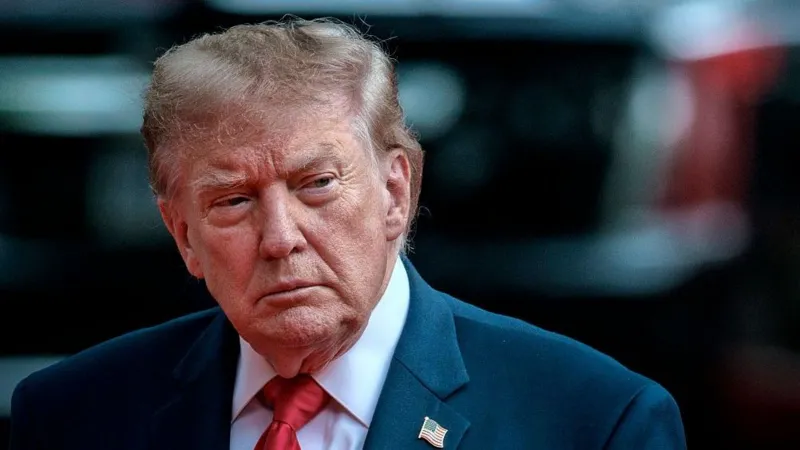
Japan has protested to the U.S. over its plans to impose a 15% levy on imports from the Asian country to address concerns over excess manufacturing capacity, a government spokesman said, even though the new level is in line with a previous tariff agreement.1
The U.S. announced Wednesday that it plans to impose a 15% levy on imports from Japan in response to alleged excess manufacturing capacity, while leaving open the possibility of raising the rate to 20%.1
A Deal Last Year Set the Terms
Both the proposed rate and the potential increase are consistent with what the two nations agreed to in a deal last year for Japan to invest in the U.S. Under that agreement, U.S. President Donald Trump set tariffs at 15% on Japanese products and lower duties on automobiles, a critical driver of Japan’s economy.1
In exchange, Japan agreed to establish a $550 billion investment initiative to boost investment in the U.S., with a provision allowing Washington to impose higher tariffs if Tokyo fails to fund projects selected by Trump.1
Progress Underway, Japan Says
So far, three rounds of projects worth $130 billion have been announced under the initiative, a sign of smooth progress compared with other nations such as South Korea that struck similar deals with the U.S.1
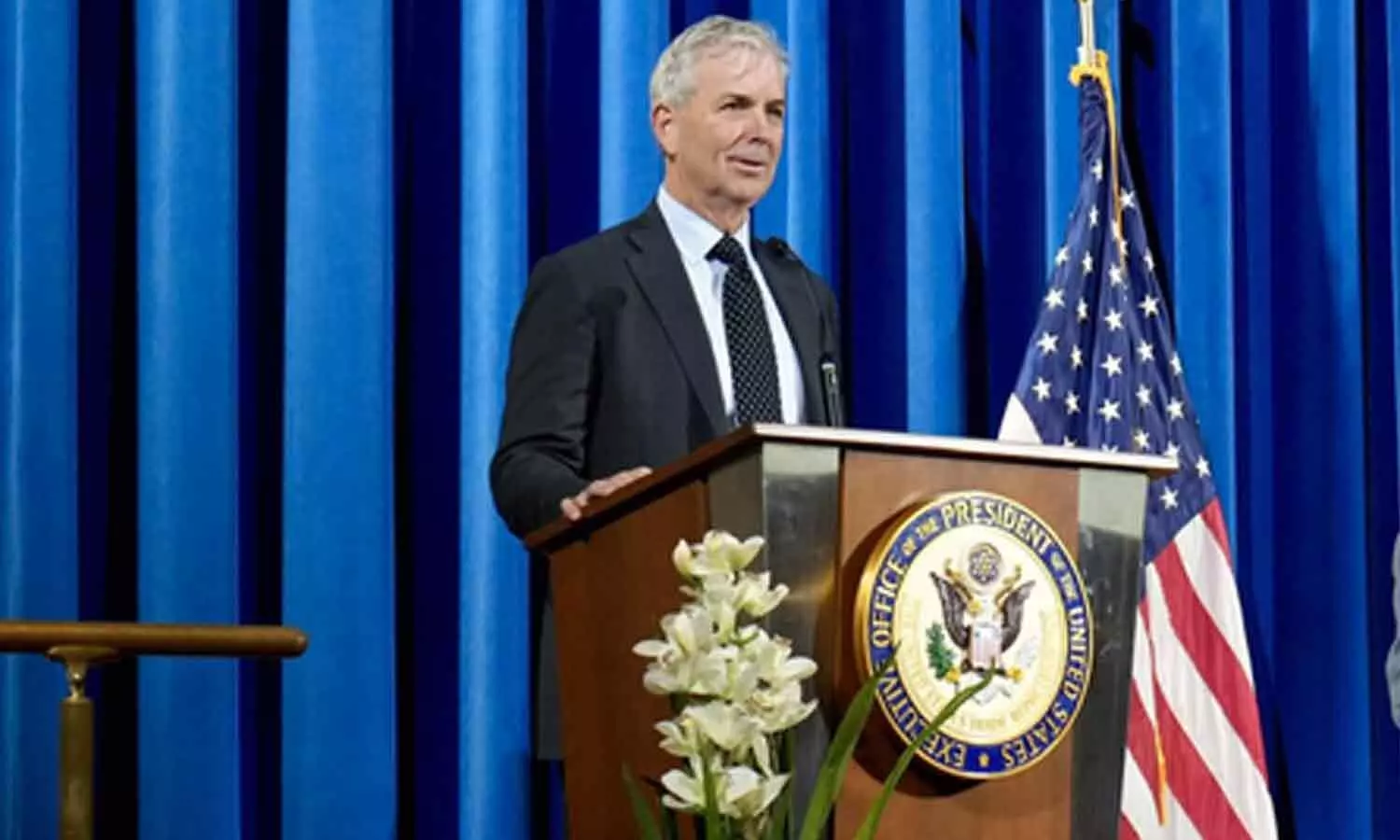
Chief Cabinet Secretary Minoru Kihara said Japan plans to continue working with the U.S. on the initiative, which has been steadily implemented.1
Prior to the announcement on Wednesday, trade minister Ryosei Akazawa had said he doesn’t expect tariffs to rise above 15% as long as the two nations faithfully and swiftly implement the investment initiative.1
Japan Rejects the Allegations
Kihara said Japan does not have any nonmarket policies or practices, or structural excess production capacity.1 2
“It is regrettable that the U.S. announced proposed measures targeting Japan, and we have already conveyed that view to the U.S. side,” Kihara said.
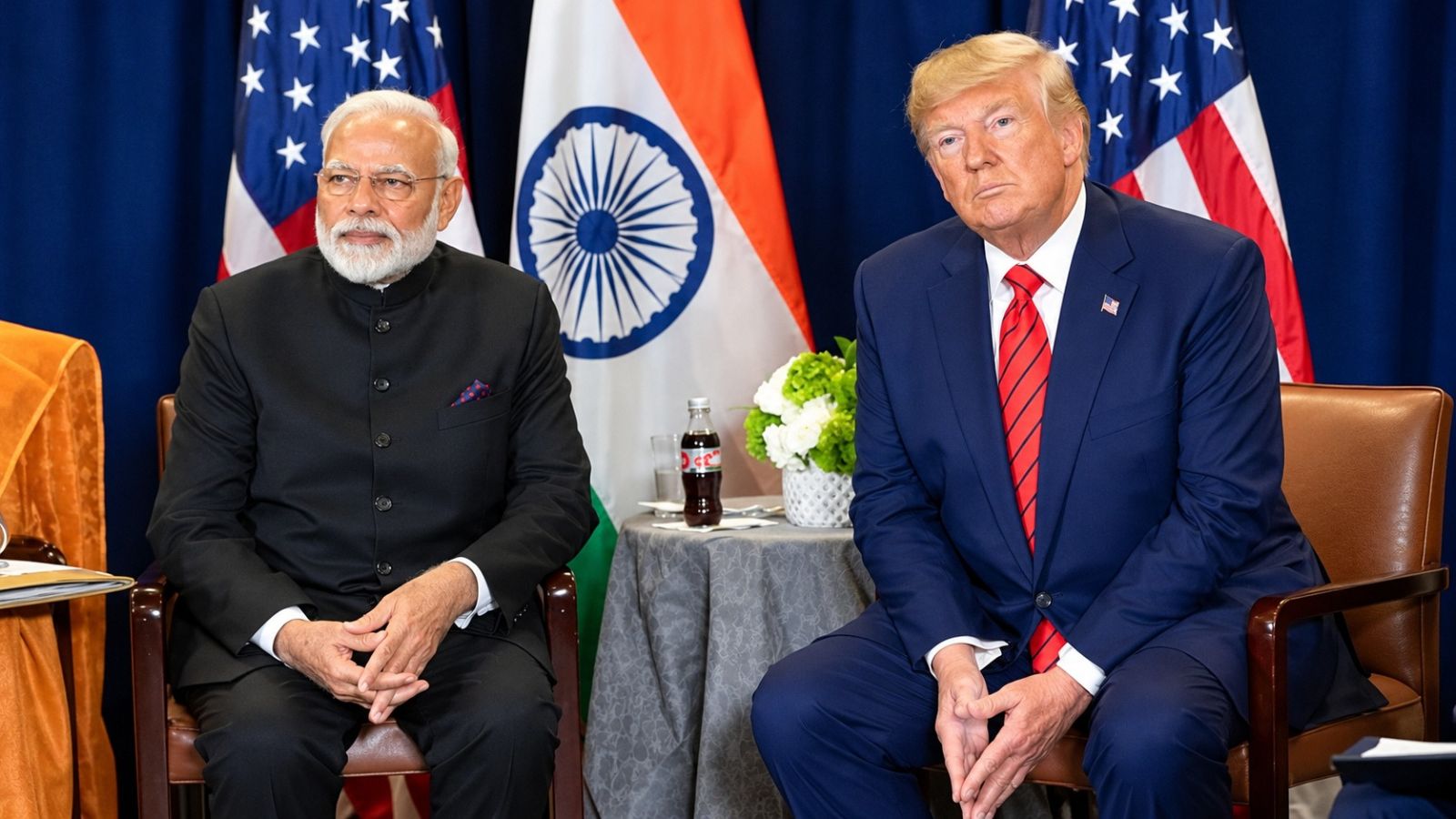
A Separate Tariff on Indian Goods
The U.S. proposed a tariff of up to 25 percent on Indian goods on Wednesday.2
The tariff follows a months-long investigation into what Washington calls “structural excess capacity” in 16 major economies.2
The rate would fall to 17 percent if New Delhi signed a trade deal with Washington, according to a list released by the office of the U.S. Trade Representative (USTR).2
Sources
Every number in the story points here. Each links to the original reporting.
LocalJapan Times, The Hans India
See a sentence its source doesn’t back up?
Tell us the source number and what’s wrong. We check every report. If we change the story, the fix goes on the corrections page with the old wording.