Key facts
- The decision is drawing responses from elected officials in Iowa and Illinois.1
- The Army has delayed the detonation.1
- Senate Minority Leader Janice Weiner, D-Johnson County, said people want to know how the situation developed, and Rep. Elinor Levin, D-Iowa City, said the lack of information shared across the state has led to the spread of misinformation.1
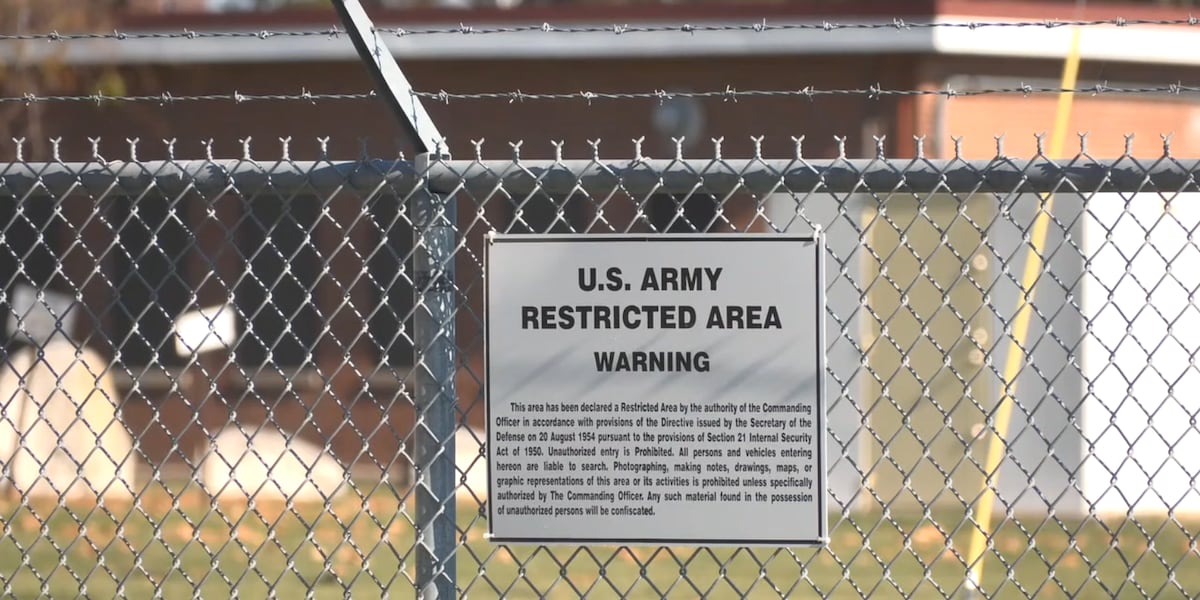
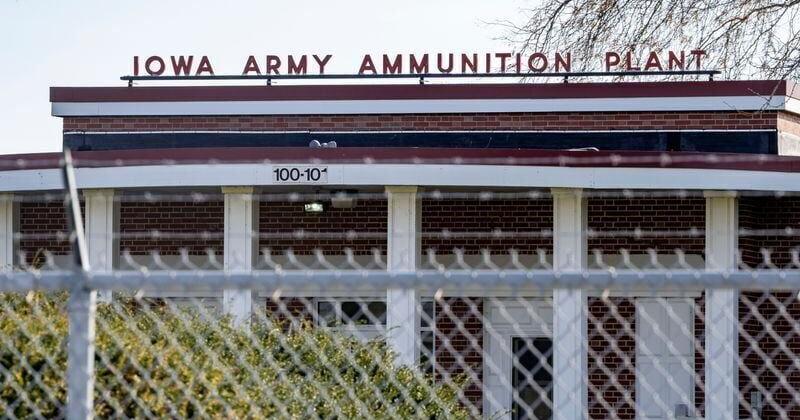
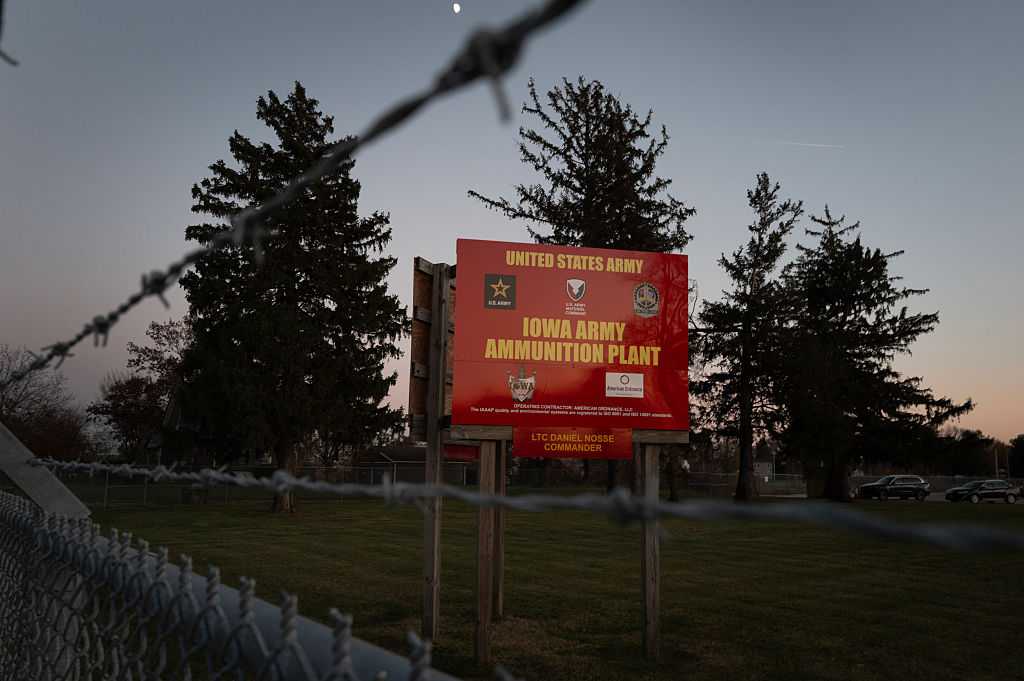
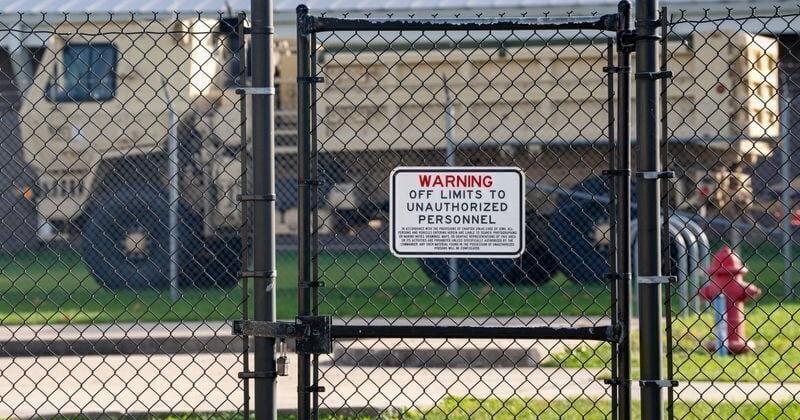
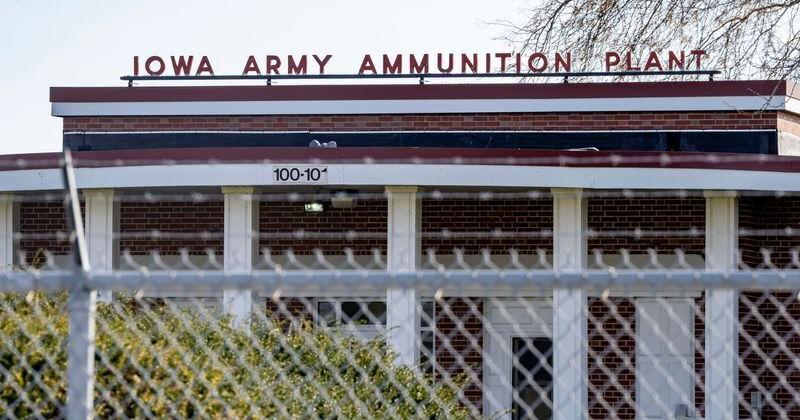
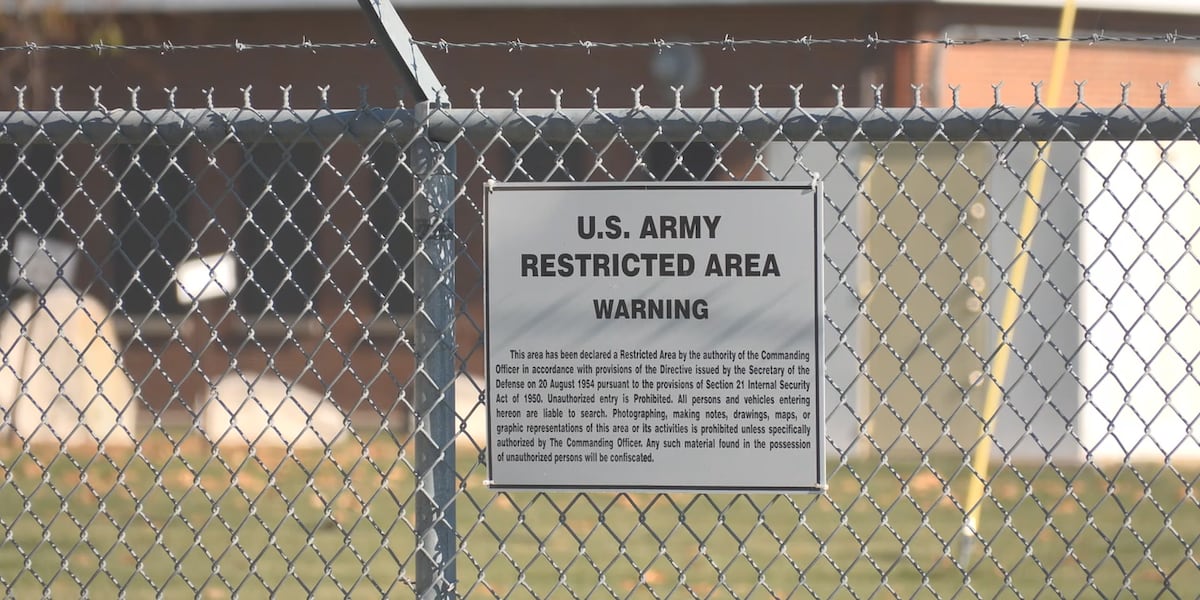
Some Iowa legislators say the Army did not share information about a planned detonation of lead azide at a facility in Middletown with enough elected officials quick enough.1
The Army has delayed the detonation, and the decision is drawing responses from elected officials in Iowa and Illinois.1
Legislators question communication
Some lawmakers say they have received questions about the plan even though they do not represent the Middletown area.1
Senate Minority Leader Janice Weiner, D-Johnson County, said people want to know how the situation developed.1
“People just really want to know how this happened, how it was allowed to get to this point where there is apparently material that is unsafe to move and needs to be, according to the Army, detonated,” Weiner said.1 “They want to know how it is that we are only just finding out about this now.”1
“There has not been anywhere near sufficient communication with levels of government and with Iowans in general who really deserve full information and full transparency,” Weiner said.1
Rep. Elinor Levin, D-Iowa City, said the lack of information shared across the state has led to the spread of misinformation.1
“There are social media posts about Iowa being covered in a layer of lead that’s going to kill us all,” Levin said.1 “That’s not helping folks to do what’s best for them, that’s simply spreading fear.”1
Court halts permit
A federal appeals court granted a request by environmentalists to put on hold a permit that cleared the way for the U.S. Army to detonate several tons of bomb-making chemicals in Iowa.2
The ruling put in jeopardy the military’s plans to deal with dozens of barrels of lead azide pending further direction by the court.2