Key facts
Iranian forces said they shot down a US MQ-9 drone over the Strait of Hormuz, as the United States steps up its economic pressure campaign against Iran.1
The Islamic Revolutionary Guard Corps (IRGC) said on Saturday a new air defence system had intercepted and shot down the drone.1
The IRGC said the incident marked the 58th US MQ-9 drone brought down by Iranian forces.1
A war launched by the US and Israel
The US and Iran engaged in direct, tit-for-tat strikes days before the drone incident.1
The war was launched by the US and Israel on February 28.1
The war has killed thousands of people and severely disrupted shipping.1
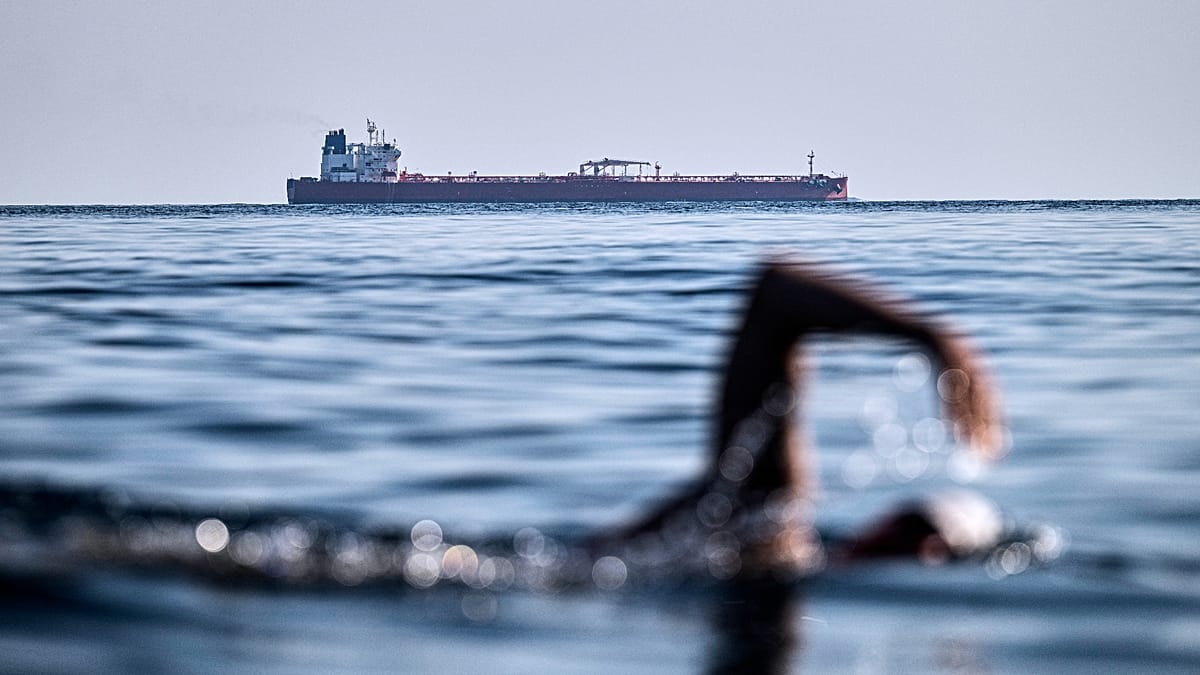
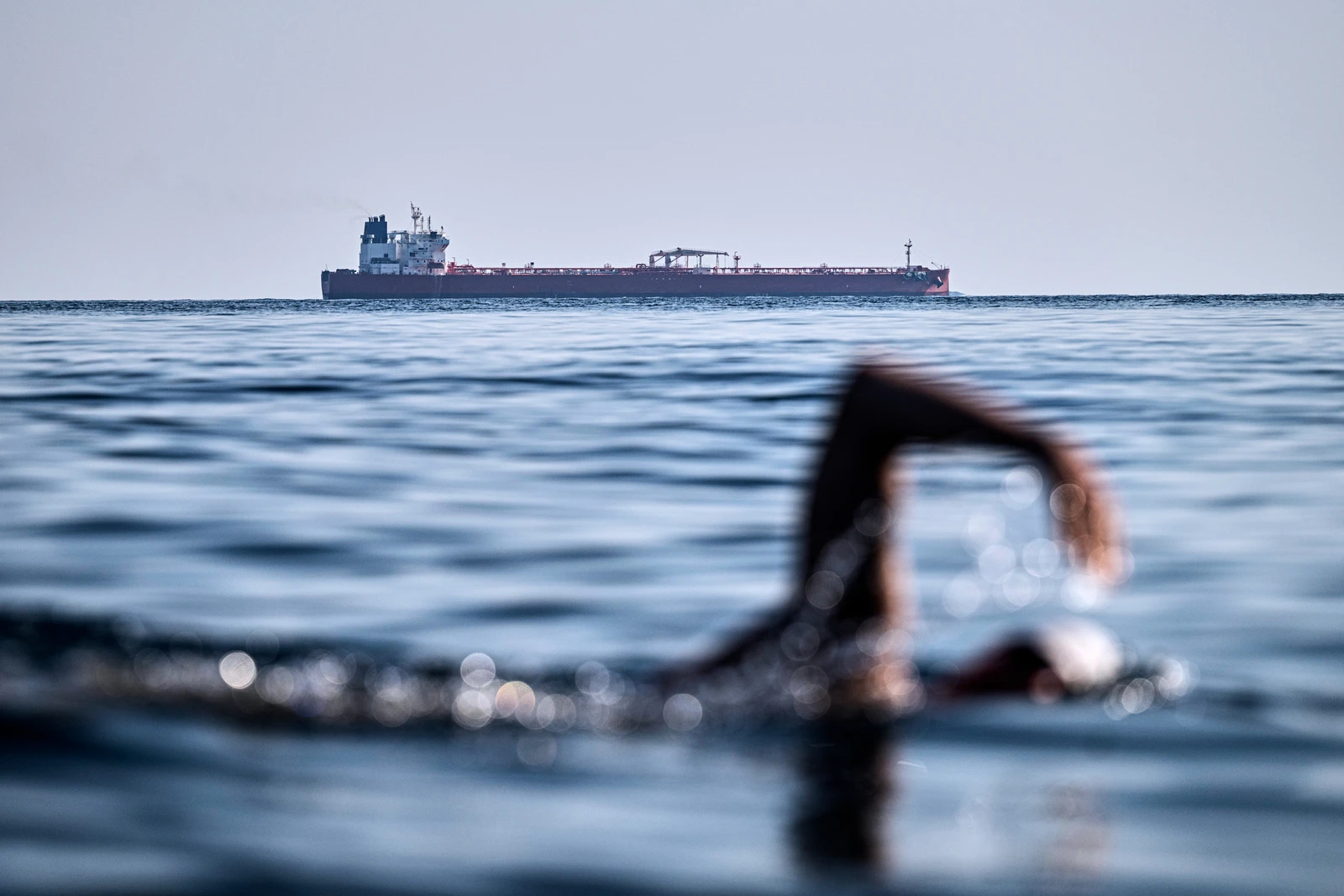
The Strait of Hormuz is one of the world’s most important energy corridors.2
In 2025, around 25 per cent of world oil trade by sea was carried through the Strait of Hormuz.2
A memorandum of understanding never fully implemented
The US and Iran signed a memorandum of understanding in June.1
The memorandum of understanding was never fully implemented because of disagreements over freedom and security of navigation in the Strait of Hormuz.1
In August, The Washington Post reported that the US had lost 45 MQ-9 drones, or about 25 percent of its fleet.1
The Washington Post reported the US drone loss cost more than $1.3bn.1
Abbas Araghchi outlines Iran’s seven conditions
Iranian Foreign Minister Abbas Araghchi outlined his country’s positions on negotiations with the US on Friday.1
Araghchi said a seven-day proposal had been delivered to the US in September.1
Araghchi said the seven conditions Iran has put forward “must be implemented for the Strait of Hormuz to reopen.”1
The seven conditions include ending the war and lifting sanctions and the naval blockade on Iran’s southern ports.1
Araghchi said Iran was prepared to negotiate how the conditions should be implemented, saying its timetable was “flexible.”1
Araghchi said the negotiations would be “conditional on the American side taking necessary confidence-building measures.”1
Araghchi ruled out Iran transferring its stockpile of 60 percent enriched uranium abroad.1
Araghchi said a “fair solution” could be reached and a number of proposals by mediators were “worth examining.”1
Trump says Iran wants to make a deal but not one he accepts
At a Friday news conference at the White House, US President Donald Trump told reporters Tehran “want to make a deal” but not one that is acceptable to him.1
Trump had said last week that a deal with Iran on ending the war was unnecessary.1
US Vice President JD Vance had previously blamed the war for Republicans losing both chambers of Congress earlier this month.1
Vance declined to say whether he would have authorised strikes on Iran to prevent the country from developing a nuclear weapon.1
Vance said the decision to attack Iran in February was Trump’s call.1
Separately on Friday, the US Treasury said it had imposed sanctions on four Iranians it said acted as “oil trustees.”1
The Treasury said in a statement that in many cases the trustees have kept oil revenues for personal gain.1
Among the individuals sanctioned are Mohammad Javad Bavand.1
Attacks on commercial vessels near the Strait of Hormuz
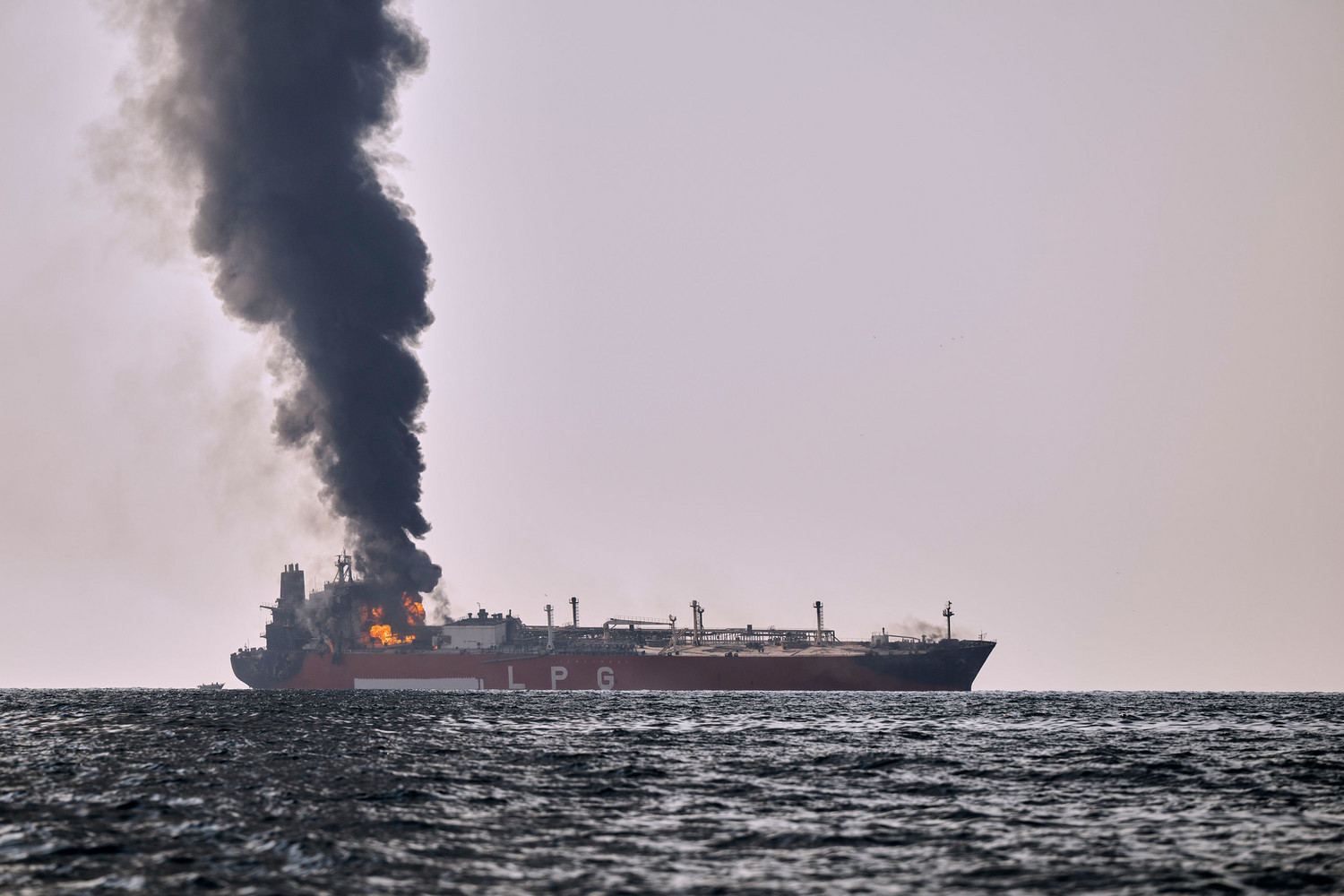
A commercial tanker was hit by an unknown missile about 11 nautical miles north of Khasab port in Oman, in the Strait of Hormuz.2
The UK Maritime Trade Operations (UKMTO) said the tanker was hit by an unknown missile.2
The US military said on Tuesday that it had attacked a missile launching site on Iran’s Qeshm Island in retaliation for attacks by Iran on US personnel and property.2
Iran later said it had attacked US drone and missile facilities at the Ali al-Salem air base in Kuwait.2
Kuwait reported responding to “hostile drone activity.”2
Bahrain said it had intercepted Iranian aerial attacks.2