Liberia’s Rice Imports at Risk as Officials Warn of El Niño Threat

Key facts
- Agriculture Minister Dr. J. Alexander Nuetah and EPA Executive Director Dr. Emmanuel Urey Yarkpawolo warned El Niño could disrupt Liberia’s established cropping calendar and cut rice yields by 30 to 50 percent.1
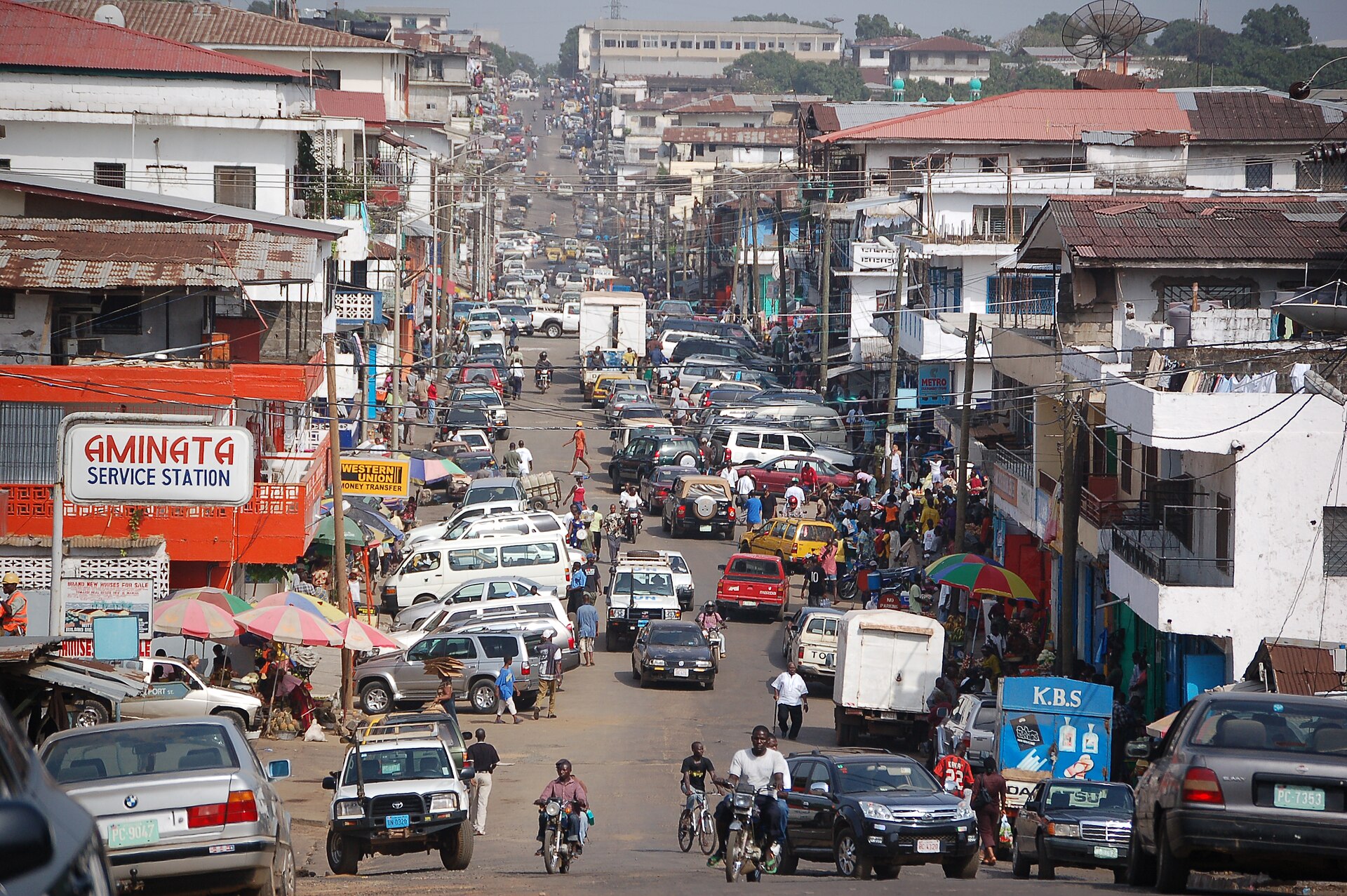
- Liberia imports more than 60 percent of the rice consumed locally, and Nuetah warned that if major rice-producing countries are also affected, Liberia could expect a reduction in rice supplies and potentially higher prices.1
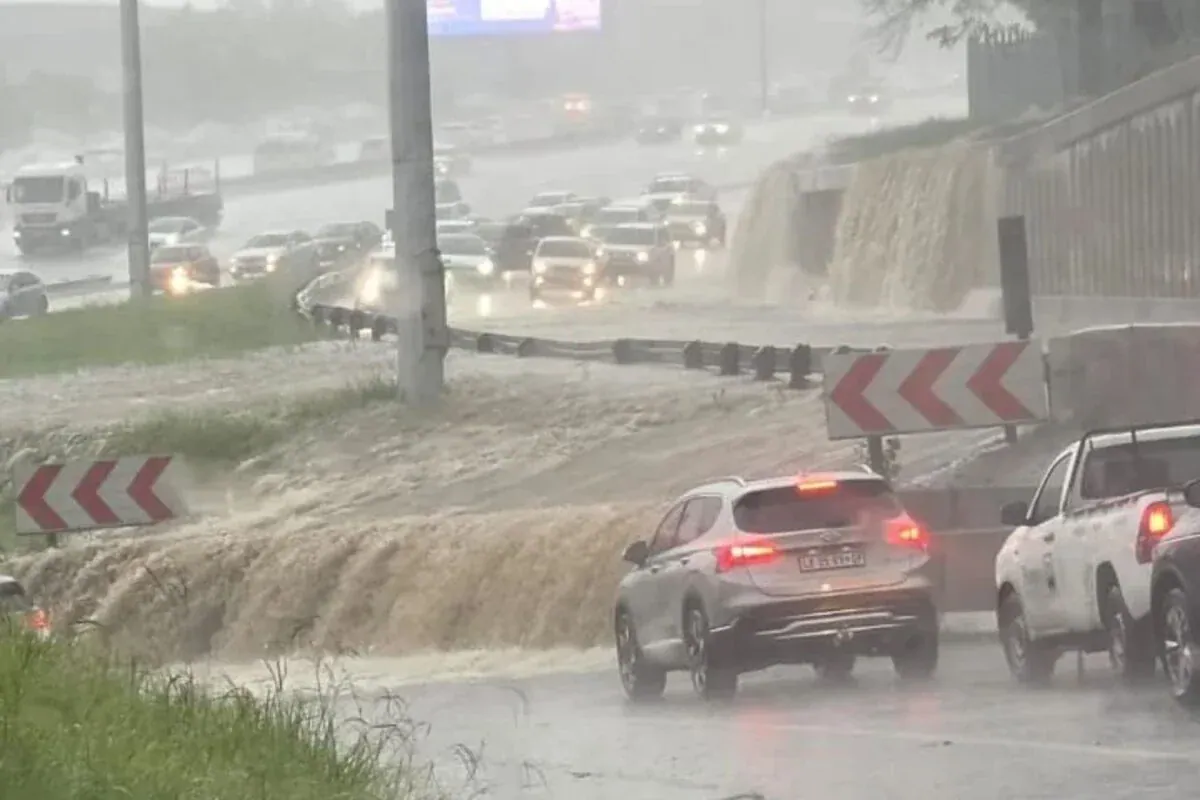
- Excessive rainfall could cause seeds to rot before germinating and shorten the growing season for rice, which could result in empty rice panicles and little or no harvest.1
Liberia’s agriculture minister and EPA chief have warned that the El Niño phenomenon could cut rice yields by 30 to 50 percent and disrupt imports, as the country imports more than 60 percent of the rice consumed locally.1
The warnings come as several counties in Liberia are reportedly experiencing severe dryness, threatening agricultural production, food security and crop yields..1 The officials appeared before the House of Representatives during the 13th day sitting of the Third Quarter of the Third Session of the 55th Legislature.1
Cropping calendar disrupted
J. Alexander Nuetah told Plenary that El Niño could disrupt Liberia’s established cropping calendar, which determines when farmers should begin planting across different regions.1
He explained that if farmers plant in March in anticipation of rainfall but the rains fail because of El Niño, their crops could be destroyed.1
Similarly, excessive rainfall could cause seeds to rot in the soil before germinating.1
Rice yields at risk
Liberia has rice varieties that mature within 90 days, while others require as long as 150 days..1 Nuetah warned that prolonged sunshine and intense heat could prevent seeds from germinating and encourage the proliferation of insects and pests.1
Minister Nuetah said cassava, maize and vegetables could also be affected..1 He pointed out that excessive rainfall could cause planted cassava stems to rot before germinating, while insufficient rainfall and intense heat could damage vegetables and increase pest attacks.1
Imports and food prices
Nuetah caveated that the consequences could extend beyond domestic agricultural production, particularly if major rice-producing countries were also affected..1 Liberia imports more than 60 percent of the rice consumed locally.1
He warned that Liberia could expect a reduction in rice supplies and potentially higher rice prices in Liberia.1
Sources
Every number in the story points here. Each links to the original reporting.
CenterFrontPage Africa
See a sentence its source doesn’t back up?
Tell us the source number and what’s wrong. We check every report. If we change the story, the fix goes on the corrections page with the old wording.