Line 5 Reroute Threatens Wetlands of Bad River Watershed

Key facts
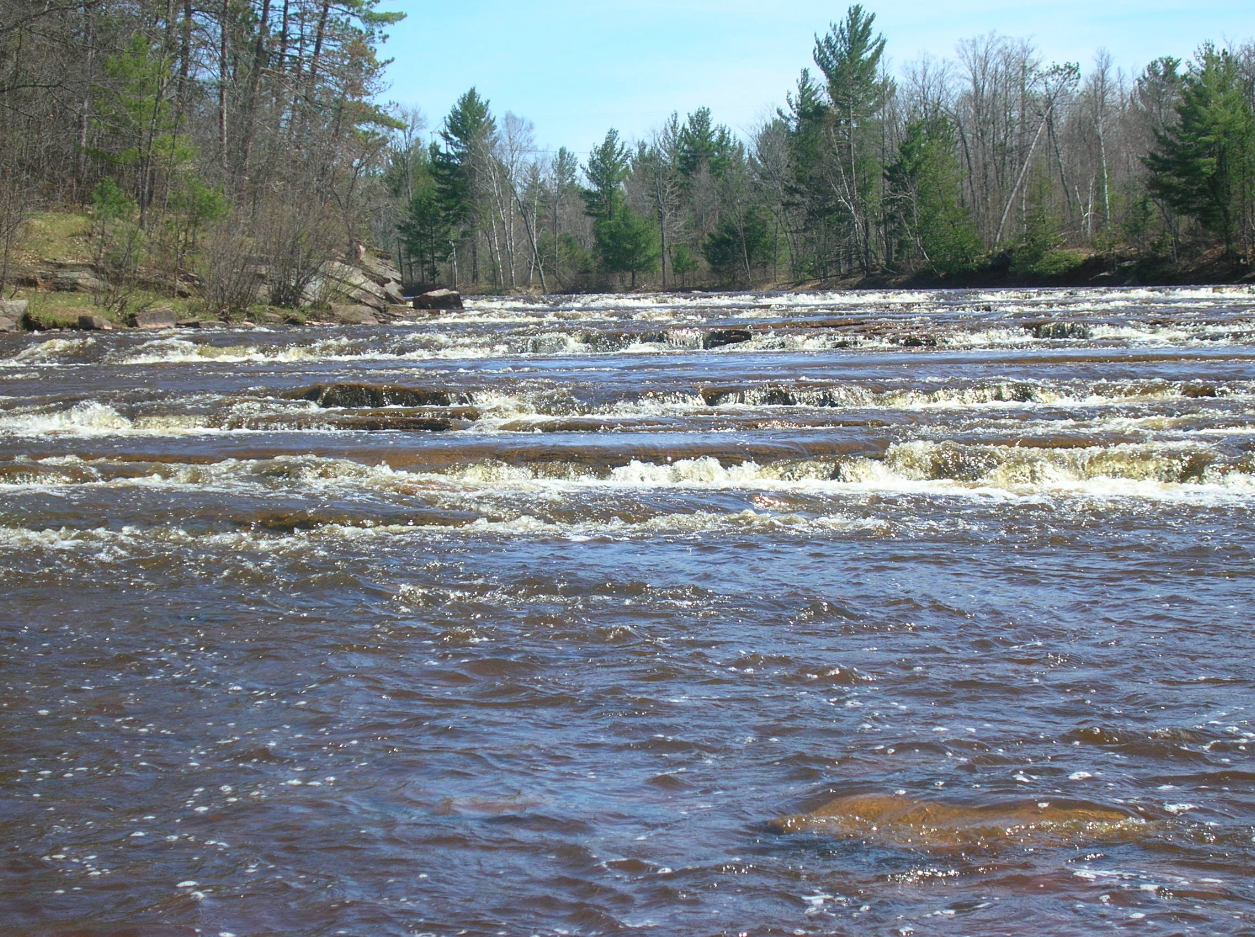
Ashland County, Wisconsin — April Stone walks along a stretch of the highly controversial and dangerous Line 5 reroute.1
The Enbridge Line 5 is a 645-mile pipeline that pumps crude oil and natural gas from Superior, Wisconsin into Ontario, Canada.1
Stone, an Ojibwe Black Ash basket weaver and member of the Bad River Band of Lake Superior Chippewa, has witnessed the loss of Black Ash harvesting areas along the Line 5 reroute.1
“When they took this swath in here … they cut through the Ash swamp as well,” she says.1
A reroute through wetlands
The recent reroute cuts through forests, wetlands, and swamps surrounding the Bad River Reservation in northern Wisconsin.1
The reroute technically avoids reservation boundaries but remains inside the Bad River watershed.1
According to environmental permitting documents processed by the Army Corps of Engineers, construction of the pipeline re-route would cross 186 streams, rivers, and other waterways, covering more than 100 acres of wetlands.1
Stone says, “When they took this swath in here … they cut through the Ash swamp as well.”1
A cultural lifeline
Stone is recognized as one of the foremost Black Ash basket makers in the Great Lakes area.1
She points toward Black Ash trees tagged in pink.1
Stone is one of the last Black Ash basket weavers of the Bad River Band, making her work central to preserving a cultural tradition that had nearly disappeared.1
Stone’s baskets embody ecological knowledge, harvesting practices, language, ceremony, and a relationship with wetlands that can not exist without healthy forests.1
Water and wild rice
Stone says the Reservation itself makes up the lower-third portion of the entire watershed.1
All the water that flows from the lakes, from the streams, from the rivers eventually all of it goes into Bad River.1
Stone says, “All the water eventually goes through the Reservation out into Lake Superior.”1
Manoomin (wild rice) thrives on the clean fresh lake water.1
Wild rice is a precious food source inextricably tied to Anishinaabe (Ojibwe) origin stories and prophecies.1
The rice is legally and culturally seen as a spiritual “relative” and a foundational gift from the Creator.1
It is home to one of the Ojibwe’s most important cultural relations — Manoomin (wild rice).1
Sources
Every number in the story points here. Each links to the original reporting.
LeftUnicorn Riot
See a sentence its source doesn’t back up?
Tell us the source number and what’s wrong. We check every report. If we change the story, the fix goes on the corrections page with the old wording.