Key facts
- U.N.-backed talks in Geneva produced a softened agreement to extend discussions for two more years.1
- Ambassador Frederico Meyer of Brazil proposed launching negotiations on a rulebook that could prevent or limit the ability of machines.1
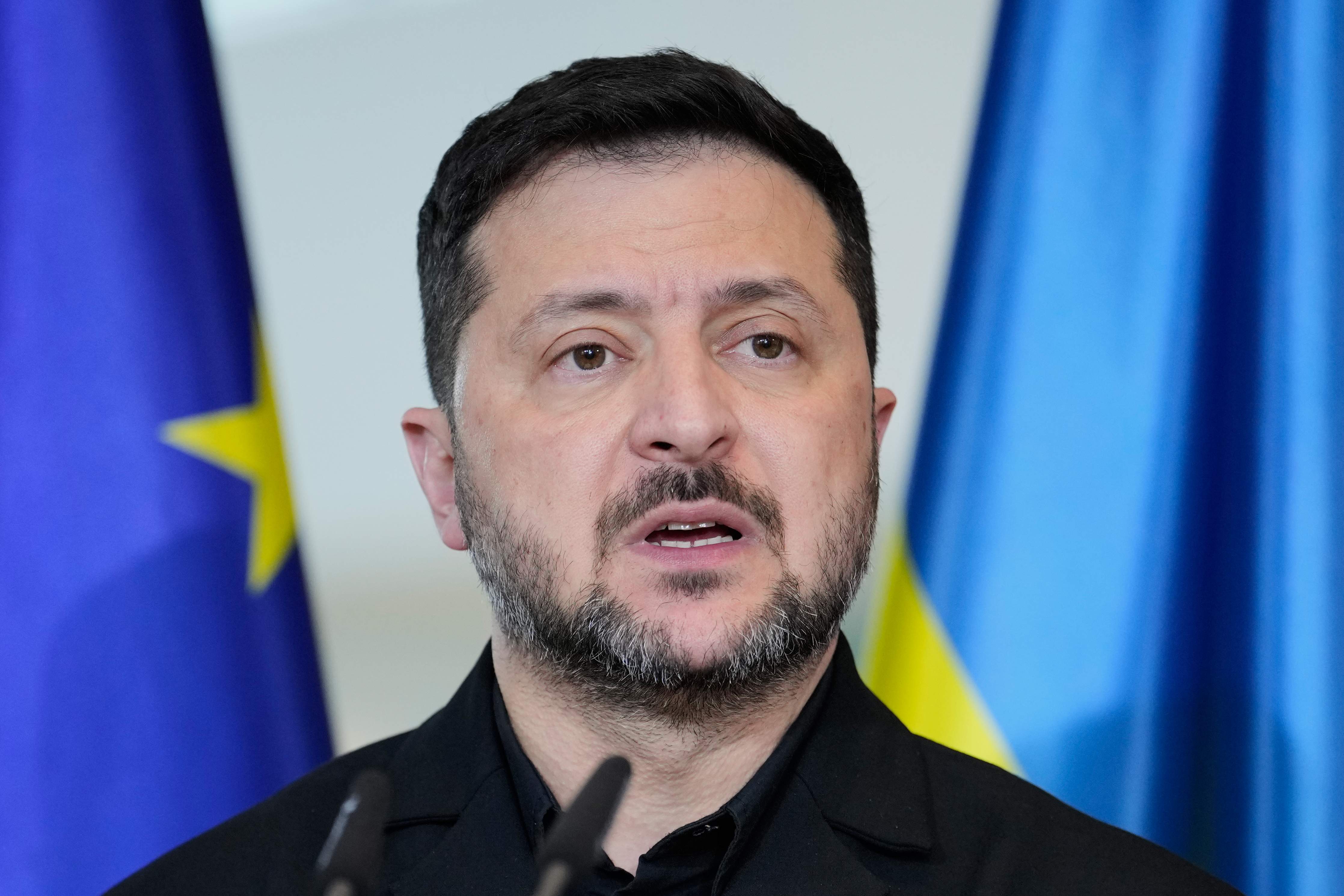
- Guterres, who leaves office at the end of the year, set a 2026 deadline for launching negotiations toward an agreement on autonomous weapons systems.1
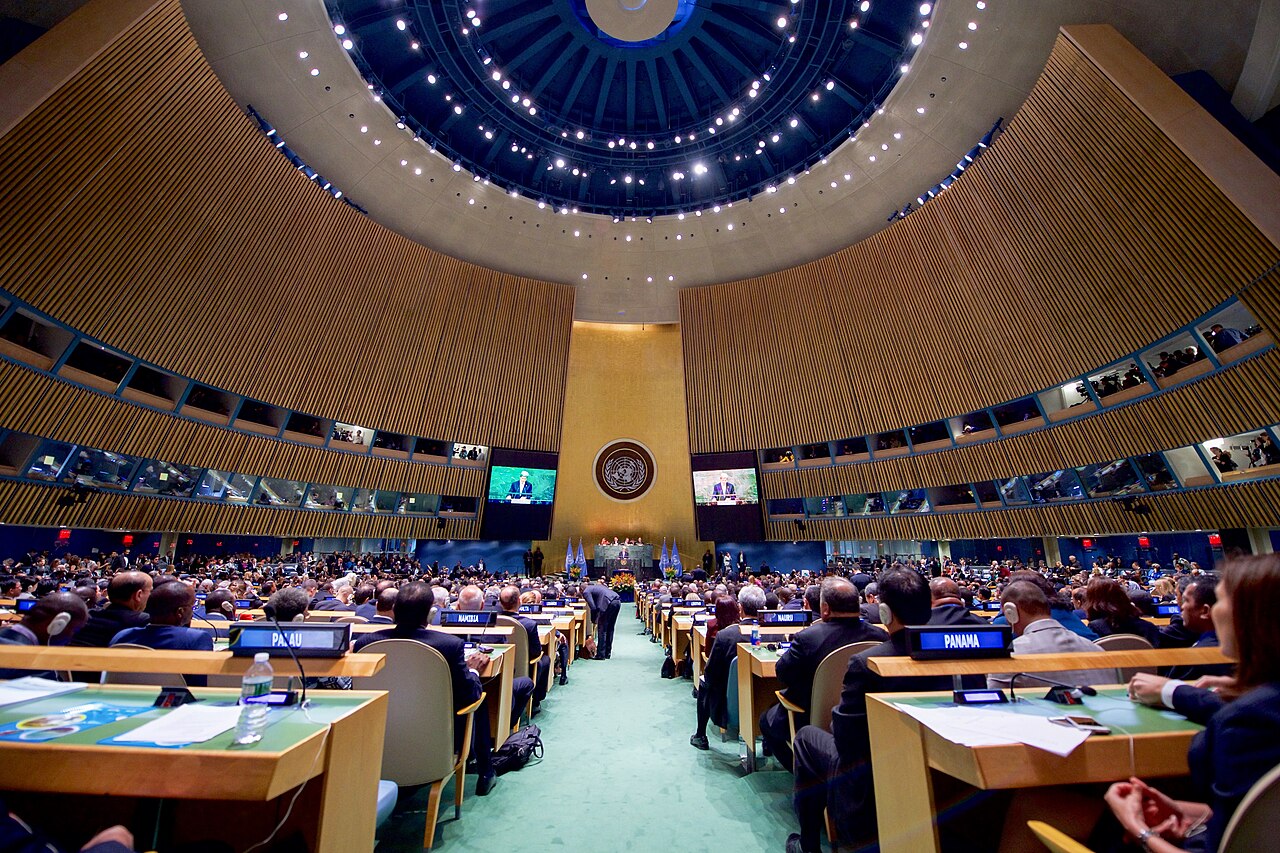
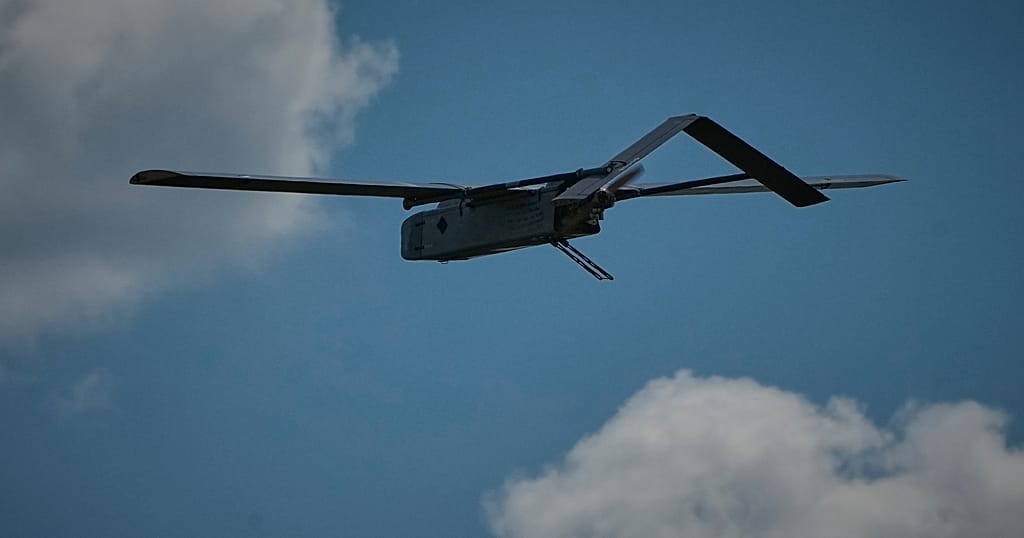
Efforts to set firm rules on AI-powered killer robots and drones ran aground Saturday as U.N.-backed talks in Geneva produced a softened agreement to extend discussions for two more years.1
But they did not commit to binding rules sought by U.N. Secretary-General António Guterres, many countries, and activists.1
Scores of countries ended the week-long U.N. conference on weapons by agreeing to elaborate a possible accord on such lethal autonomous weapons systems by 2028.1
The outcome shows the difficulty of achieving concrete results in diplomacy amid global conflicts and major military powers jockeying for dominance.1
A Watered-Down Mandate
Izumi Nakamitsu, the U.N. high representative for disarmament affairs, hailed a “significant achievement” but acknowledged a “glass half full or half empty” scenario, citing Guterres’ hopes for a legally binding deal this year.1
Activists accused military powers like Russia and the United States of blocking stronger language..1 Stop Killer Robots lamented a “watered-down mandate,” and Beatrice Fihn, founder of international law advocacy group Lex International, said the decision amounts to “pushing the can down the road for two more years.”1
Max Tegmark, a machine learning specialist at the Massachusetts Institute of Technology and founder of the Future of Life Institute, said, “States have agreed it is sufficient to just talk about the issue, for the 14th year, while these weapons enable atrocities.”1
Brazil And Others Push Rulebook Talks
Ambassador Frederico Meyer of Brazil, which joined Austria, Belgium, Ireland, Mexico, New Zealand and Panama in proposing such negotiations, said, “Technology is moving faster than diplomacy.”1
After years of talks on the issue, advocacy groups bemoaned obstructionism largely by Russia, which, like other top AI weapons-developing countries such as the United States, wants a freer hand to develop such high-tech weapons.1
What The Talks Covered
Talks this week centered on the Convention on Certain Conventional Weapons, ratified by 128 countries, where decisions are made by consensus.1
The 128 countries party to the Convention on Conventional Weapons (CCW), which include Israel, agree to open a path towards finding an international agreement on regulating lethal autonomous weapons systems, or killer robots.2 3