Key facts
UN talks on regulating lethal autonomous weapons systems ended on Saturday without an agreement on a legally binding ban.1
The negotiations yielded an agreement for further discussions to develop new rules by 2028.1
Delegates from 128 states that are parties to the UN Convention on Certain Conventional Weapons (CCW) had been meeting in Geneva since Monday amid rising concerns over the use of the killer robots in global conflicts.1
The conference ended early on Saturday in what campaigners deemed a “weakened” outcome, following several hours of overnight parleying.1
A softened mandate
Nearly 100 nations had called for negotiations on a legally binding agreement on the systems capable of killing without a human making the final decision to fire.1
UN Secretary-General António Guterres, Pope Leo XIV and the Red Cross had also supported a ban on killer robots.1
However, countries that have the technology, including arms-producing giants like the US, Russia and Israel, were among those opposing the mandate.1
AFP quoted Stop Killer Robots as saying that over 95 states expressed their support for a treaty.1
AFP quoted Stop Killer Robots as saying that in the final hours, a small number of states weakened the mandate introducing uncertainty about the legal status of the final document.1
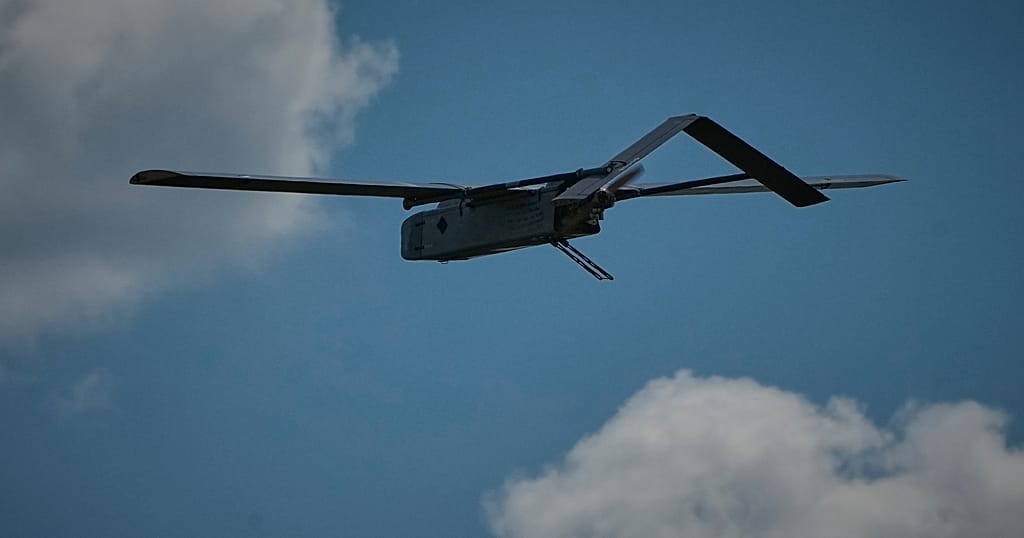
The group had earlier said that autonomous weapons systems were already reaching the battlefield and such systems had been tested or deployed, including in the Ukraine war.1
What the agreement means
The 128 countries “agreed to launch the elaboration of an international instrument on lethal autonomous weapons systems, which should be conducted over the next two years,” the conference’s Swiss chair, Julien Thoni, told the media on Saturday.1
Groups decry a softened mandate on 'killer robots' But while Thoni hailed a multilateral diplomacy delivering “concrete results” even in “today’s deeply divided world,” rights groups expressed disappointment at the minimal agreement.1
Scores of countries ended the week-long U.N. conference on weapons by agreeing to elaborate a possible accord on such lethal autonomous weapons systems by 2028.2