Key facts
- Muhammad Zeeshan Ali is a Pakistan Air Force pilot and payload specialist.1
- The Shenzhou-24 mission is set to lift off at 8.18am on Wednesday from the Jiuquan launch centre in northwestern China.1
- Pakistan’s space programme dates to the 1960s and has historically focused on satellite development, communications and remote sensing.2
A Pakistan Air Force pilot will blast off aboard China’s Shenzhou-24 spacecraft on Wednesday, becoming the first foreign astronaut to take part in China’s crewed space programme and the latest symbol of deepening bilateral ties.1 2
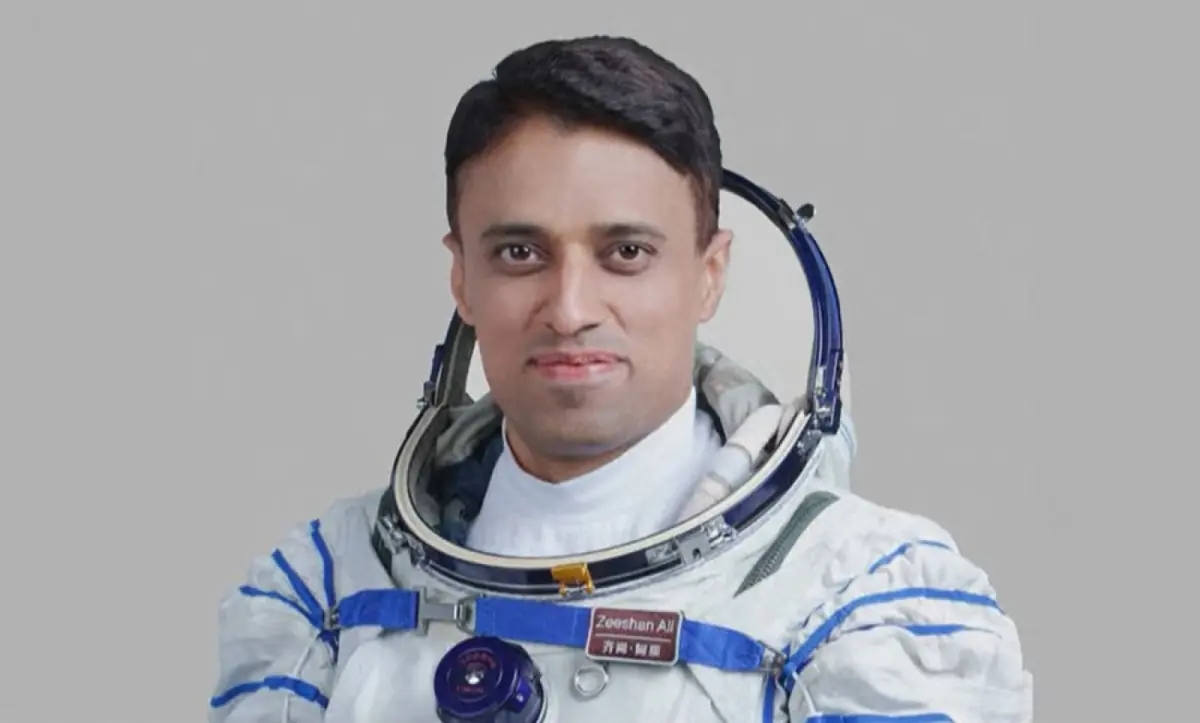
Muhammad Zeeshan Ali, a Pakistan Air Force pilot and payload specialist, will be the first foreign astronaut to fly on a Chinese space mission and also the first non-Chinese to board the Tiangong space station.1
Ali will join Chinese commander Tang Hongbo and flight engineer Wu Yi on the mission to China’s Tiangong space station, where he will spend about a week before returning on the Shenzhou-23 manned spacecraft.2
A mission for Pakistan’s space programme
Ali told a separate news conference held later to introduce the crew, “I carry the name of Pakistan on my shoulder, the hopes of 250 million Pakistanis.”1
Ali is not the first Pakistani in space, with Monaco-based polar adventurer Namira Salim having flown on Virgin Galactic’s Galactic 04 mission in October 2023.1
Their links in space research include China launching satellites on behalf of Pakistan.2
The joint mission was conceived in 2019, according to Pakistan’s Dawn newspaper.2
In February 2025, the China Manned Space Agency and Pakistan’s Space and Upper Atmosphere Research Commission agreed to cooperate on the selection and training of astronauts from the South Asian nation.2
China’s space programme
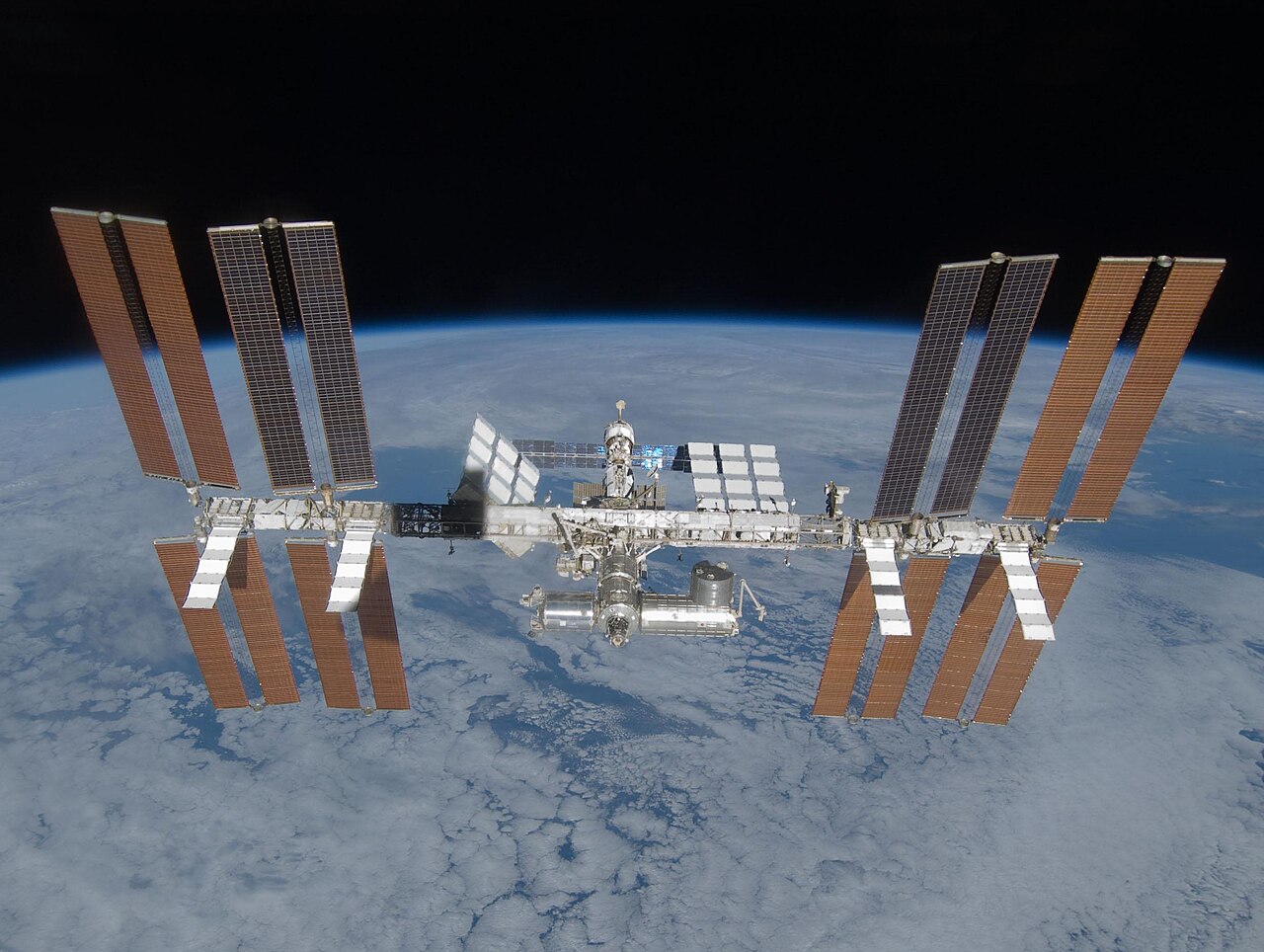
China was excluded from the International Space Station (ISS) in 2011 when the United States banned NASA from collaborating with Beijing.1
This prompted the Asian giant to invest heavily in its own space activities, landing a probe on the far side of the Moon in 2019 and a rover on Mars in 2021.1
China successfully landed a reusable rocket for the first time in July, according to its space agency, marking a major step in its space ambitions and in reducing launch costs.1
China is aiming to land astronauts on the Moon before 2030, a race in which the United States is also competing with its Artemis programme.1
Crew details and next steps
The Shenzhou-24 mission is set to lift off at 8.18am on Wednesday from the Jiuquan launch centre in northwestern China, China Manned Space Agency (CMSA) spokesman Zhang Jingbo told a news conference on Tuesday.1
The Long March-2F rocket that will carry the crew into space will soon be filled with propellant, the CMSA’s Zhang said on Tuesday morning.1
The crew currently aboard the Tiangong space station is headed by 40-year-old Zhu Yangzhu, Lai Ka-ying and Zhang Zhiyuan, also 40.1
Lai Ka-ying is Hong Kong’s first astronaut and the only woman currently aboard.1
After the new, all-male crew reaches the Tiangong, Pakistan’s Ali will return to Earth alongside Lai and Zhang.1
Zhu will remain on board to complete China’s first full-year stay in space — a key test of endurance critical for future lunar and potentially deep-space ambitions.1
Zhu will be accompanied for the next six-month Tiangong rotation by 51-year-old space veteran Tang Hongbo and Wu Yi, in his late thirties and making his first voyage to space.1
Bilateral ties
Beijing and Islamabad enjoy what they call an “ironclad friendship,” and Pakistan is also a key partner in Chinese leader Xi Jinping’s signature Belt and Road Initiative.2
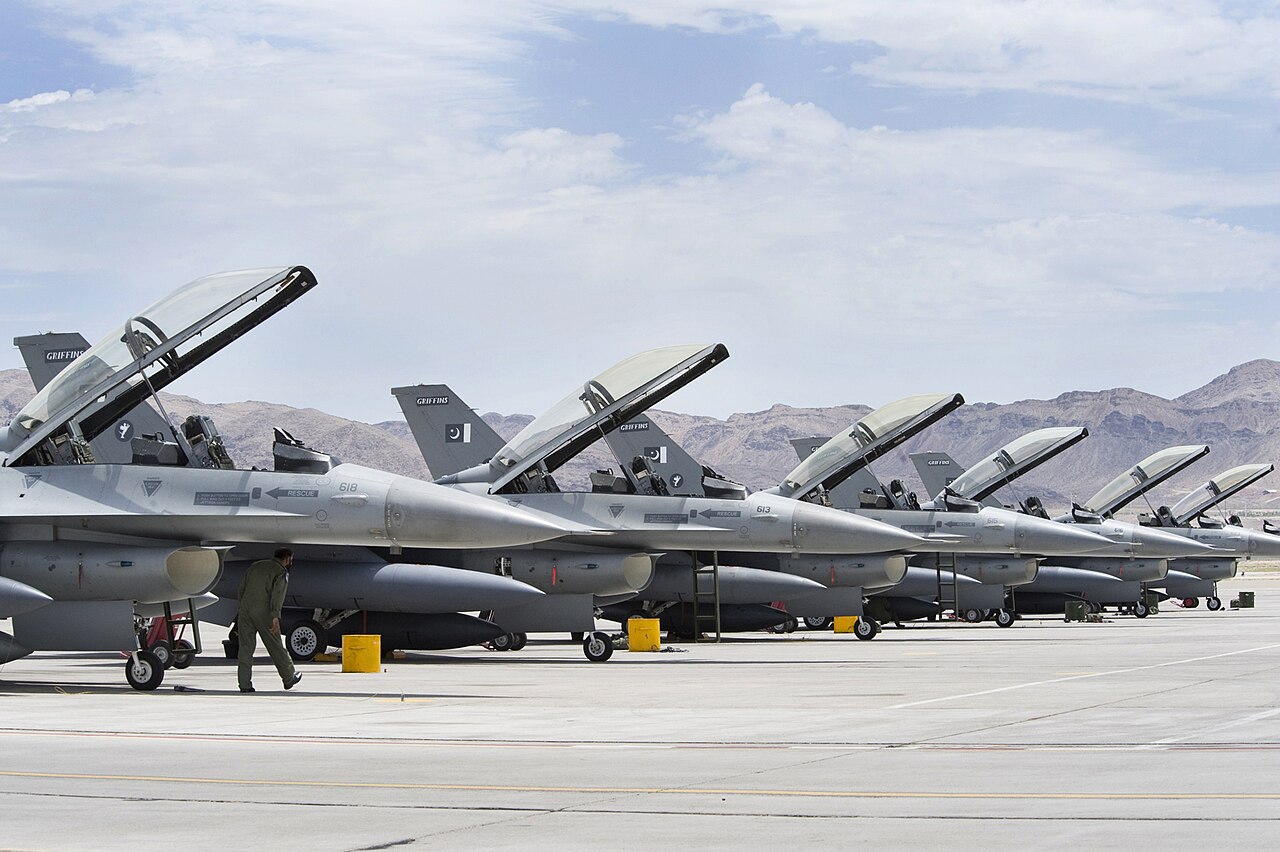
The two countries also have close military ties, with China by far the largest supplier of major weapons to Islamabad.2
The South Asian nation’s space programme — though modest compared with China’s or that of its rival India , dates to the 1960s and has historically focused on satellite development, communications and remote sensing.2