Key facts
- Canada’s defense minister described military cooperation as “business as usual..”1
- U.S. President Donald Trump’s trade war and repeated threats to make Canada the 51st U.S. state have strained relations between.1
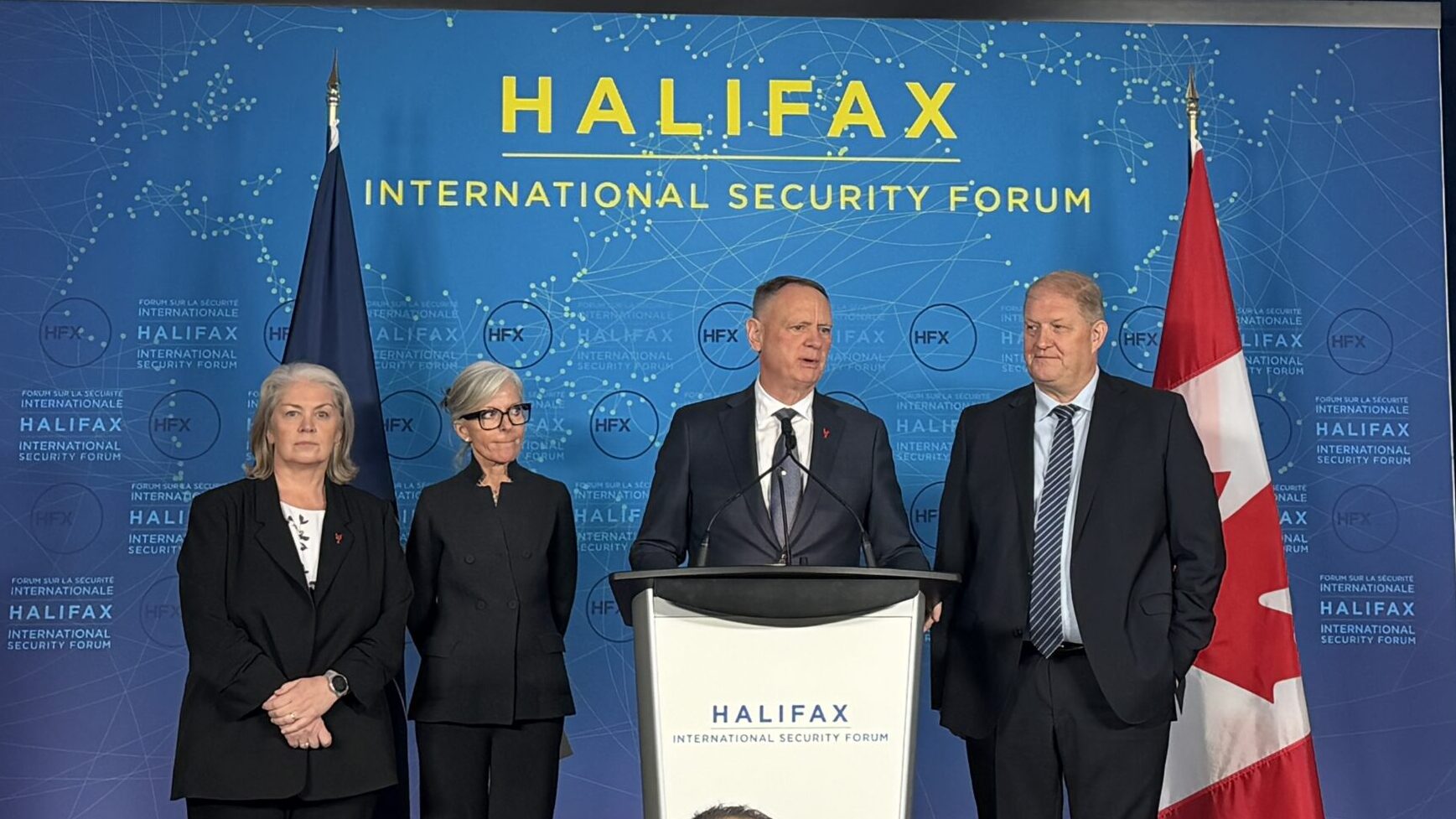
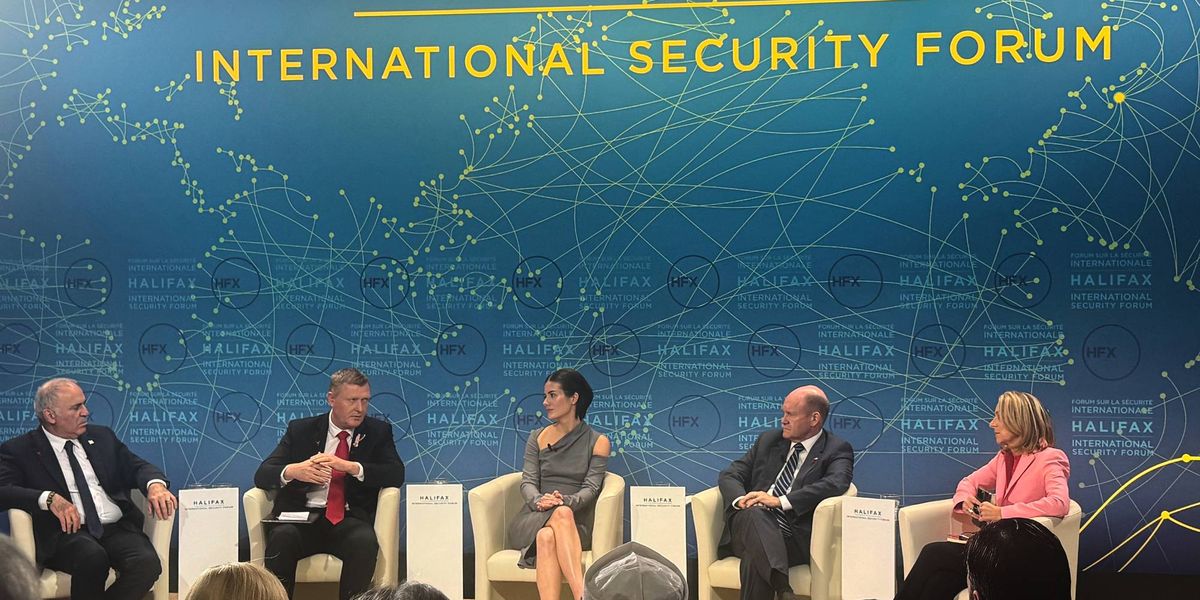
- The Halifax International Security Forum draws about 300 military officials, U.S. lawmakers, diplomats and scholars annually.1
Pentagon restrictions on Canada largely target U.S. military officials' participation in think tank events and social engagements rather than military operations or intelligence sharing, a Republican senator said Saturday.1 2
The Washington Post reported Friday that Defense Secretary Pete Hegseth circulated a classified memorandum last week imposing new restrictions on military cooperation with Canada.1
The directive drew criticism from two Democratic senators, who called its tone “bad” and “unnecessary.”1
Chief Pentagon
Chief Pentagon spokesman Sean Parnell said the department was prioritizing cooperation with Canada that advances U.S. defense objectives and strengthens security in North America.1
Parnell said the guidance does not impact defense intelligence cooperation, the binational NORAD command or cooperation through NATO.1
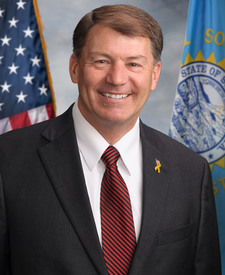
Republican U.S. Sen. Mike Rounds said the latest guidance appeared consistent with existing practices and was not expected to affect joint military operations or intelligence sharing.1
The Trump administration had already barred Pentagon officials from attending the Halifax International Security Forum under restrictions imposed in 2025 on think tank participation.1
Now in its 18th year, the gathering draws about 300 military officials, U.S. lawmakers, diplomats and scholars annually.1
Canada Says Cooperation Is Business As Usual
Canadian Defense Minister David McGuinty said he had not seen the document and had detected no change in military cooperation.1
McGuinty said Canadian vessels are working alongside American ships to intercept drug trafficking in the Caribbean, and cooperation remains ongoing.1
Rounds said his assessment was based on information from the delegation’s Pentagon liaison.1
Rounds said the disclosure was unfortunate as Washington sought to reassure Canada and other allies of its commitment to longstanding security relationships.1