Randy Meyer’s Trial Launched at Allegheny Health Network


Key facts
- A new clinical research trial funded in honor of late Pittsburgh firefighter Randy Meyer has officially launched at Allegheny Health.1
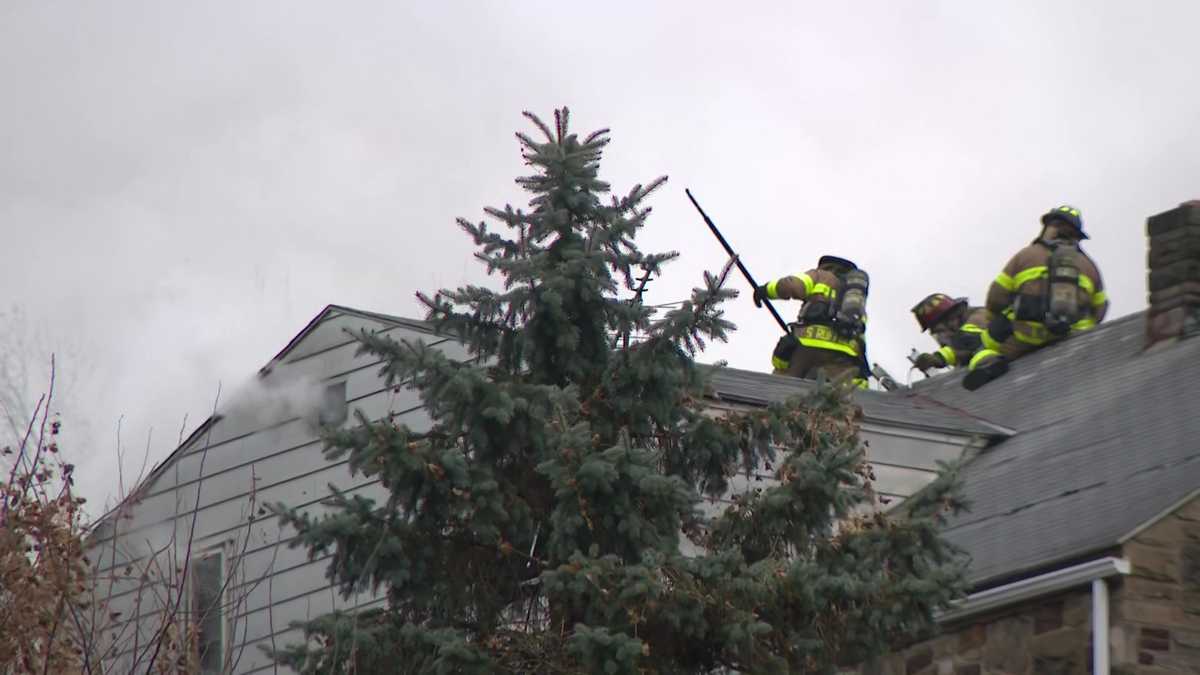
- Randy spent many of his 17 years as a firefighter stationed at Pittsburgh Bureau of Fire Station Six.1
- The Randy and Stephanie Meyer Spread Goodness Fund raised $44,000 through a charity wine gala to help finance cancer research.1
A new clinical research trial funded in honor of late Pittsburgh firefighter Randy Meyer has officially launched at Allegheny Health Network to help cancer patients battling surgical complications.1
The medical initiative is titled Randy’s Trial.1
The trial investigates novel drug treatments aimed at breaking down scar tissue that can prevent cancer patients from receiving critical surgeries.1
A fund built from a wine gala
Randy Meyer died following a 10-year fight with a rare form of appendix cancer.1
Following his death, his widow, Stephanie Meyer, established the Randy and Stephanie Meyer Spread Goodness Fund to support medical research and assist families affected by cancer.1
The fund raised $44,000 through a charity wine gala to help finance cancer research at Allegheny Health Network.1
The third annual charity wine gala hosted by the fund is scheduled to take place this Saturday..1 Proceeds from this year’s event will establish a new scholarship fund at the local firefighters' union in memory of Randy Meyer.1
Scar tissue complicates cancer treatment
Randy spent many of his 17 years as a firefighter stationed at Pittsburgh Bureau of Fire Station Six.1 A memorial bench bearing his name and photographs displayed on the firehouse bulletin board continue to honor his service at the station.1
During his career, Randy underwent five surgical procedures to treat his rare appendix cancer, experiencing scar tissue accumulation following each operation.1
Scar tissue creates significant complications during cancer treatments by forming physical obstructions and encasing malignant cells throughout the abdominal cavity.1
When scar tissue forms after an initial procedure, it often restricts physicians from safely performing subsequent surgeries.1
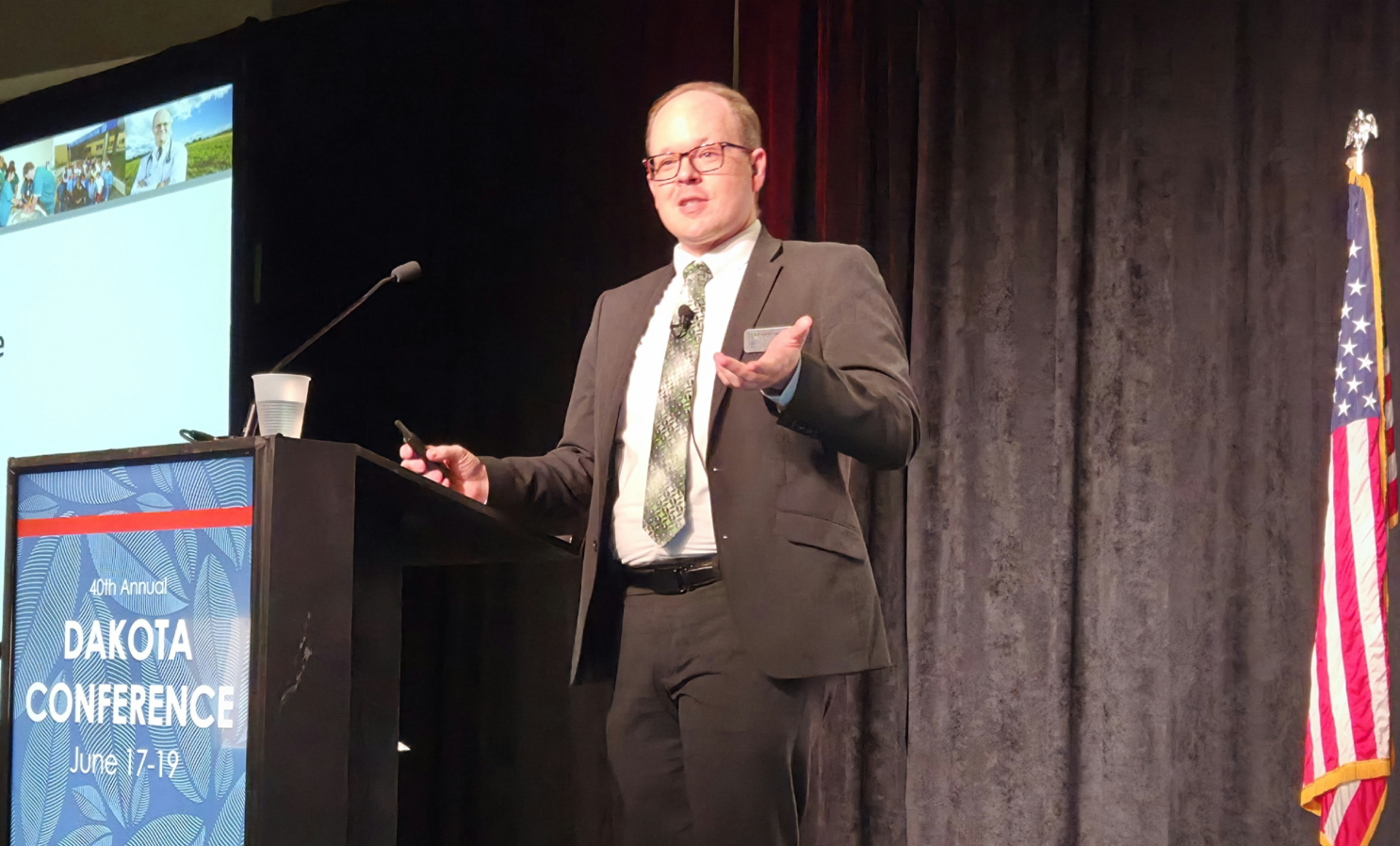
Dr. Patrick Wagner, vice chair of surgery and chief of surgical oncology at Allegheny Health Network, explained the clinical challenges created by repeated operations.1
“The scar tissue is a barrier to being able to do the second operation, and then that operation causes its own scar tissue, and so it becomes this really troublesome scenario,” Wagner said.
The newly established trial focuses on evaluating whether specific medical therapies can degrade dense tissue formations in patients diagnosed with appendix cancer or other abdominal malignancies.1
A legacy of scholarship
Stephanie reflected on the emotional toll that comes with undergoing multiple surgical treatments.1
“Very meaningful to be able to turn that into a clinical trial that might help other patients,” Wagner said. “People react to tragedies in life in different ways. For someone like Stephanie to go this direction, I think, is extremely inspiring.”
Stephanie explained that her late husband wanted to ensure their family continued supporting others throughout his illness.1
He credited Stephanie for transforming her family’s experience into a structured medical initiative.1
For patients and families facing repeated abdominal operations, the threat of unaddressed tumor remnants remains a persistent medical reality.1
By targeting the fibrous barriers that can prevent surgical interventions, investigators aim to expand therapeutic options for individuals previously told their conditions could no longer be treated surgically.1
Dr. Wagner noted the role grassroots charitable efforts play in advancing targeted oncological investigations.1
Sources
Every number in the story points here. Each links to the original reporting.
CenterWPXI
See a sentence its source doesn’t back up?
Tell us the source number and what’s wrong. We check every report. If we change the story, the fix goes on the corrections page with the old wording.