Key facts
- All residents in Middletown, Iowa, and those within a five-mile cone extending southwest of the Iowa Army Ammunition Plant have.1
- The Army said lead can cross the placenta in pregnant women, raising the risk of premature birth and low birth weight.1 Health officials say no safe level of lead exposure for children has been identified.1
- Court documents say the explosive compound, lead azide, had been stored at the installation for more than 20 years before Army officials discovered its deterioration in March.1 Federal officials determined that detonation posed less risk than moving or chemically treating the material, the Army said.1
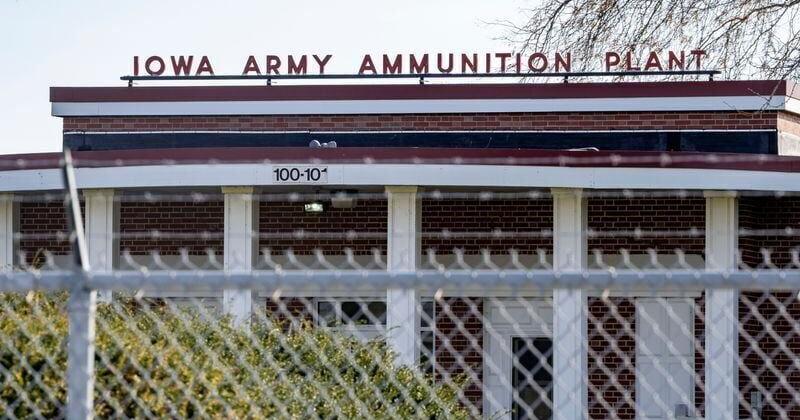
All residents in Middletown, Iowa, and those within a five-mile cone extending southwest of the Iowa Army Ammunition Plant have been recommended by the U.S. Army to relocate ahead of a controlled in-place detonation of degraded crystallized lead azide scheduled on Wednesday.1
Five tons of unstable explosive material are expected to be blown up at around 9 a.m. CT on Wednesday.1
The U.S. Army cited concerns about potential exposure to toxic lead dust.1
What the Army Advises
The Army said lead can cross the placenta in pregnant women, raising the risk of premature birth and low birth weight..1 Health officials say no safe level of lead exposure for children has been identified.1
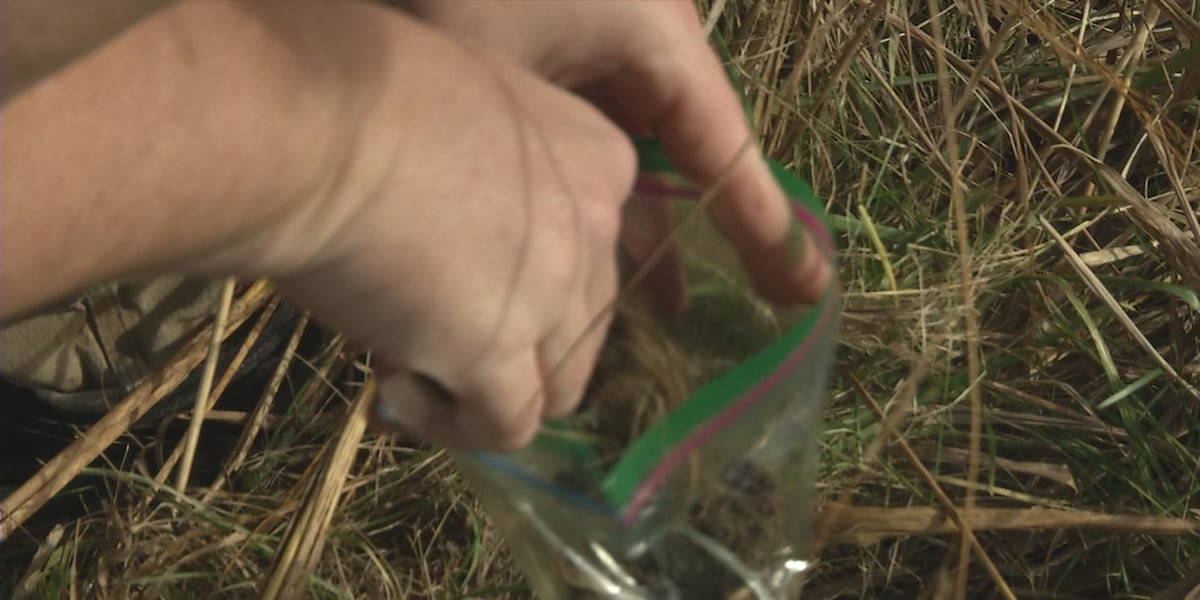
Once the risk passes, residents should wet-wipe high-contact exterior surfaces such as patios, decks, window sills, and outdoor play equipment to safely capture and remove any settled dust.1
Where the Dust Could Fall
The detonation is expected to produce a cloud of dust containing lead particles that could travel beyond the installation and settle on surrounding properties, according to the Iowa Department of Health and Human Services..1 State health officials said residents in affected areas should stay indoors with windows and doors closed for 24 to 48 hours after the detonation, unless guidance changes..1 State health officials also recommend limiting outside air through heating and cooling systems.1
How the Army Plans to Limit the Risk
Court documents say the explosive compound, lead azide, had been stored at the installation for more than 20 years before Army officials discovered its deterioration in March..1 Federal officials determined that detonation posed less risk than moving or chemically treating the material, the Army said.1
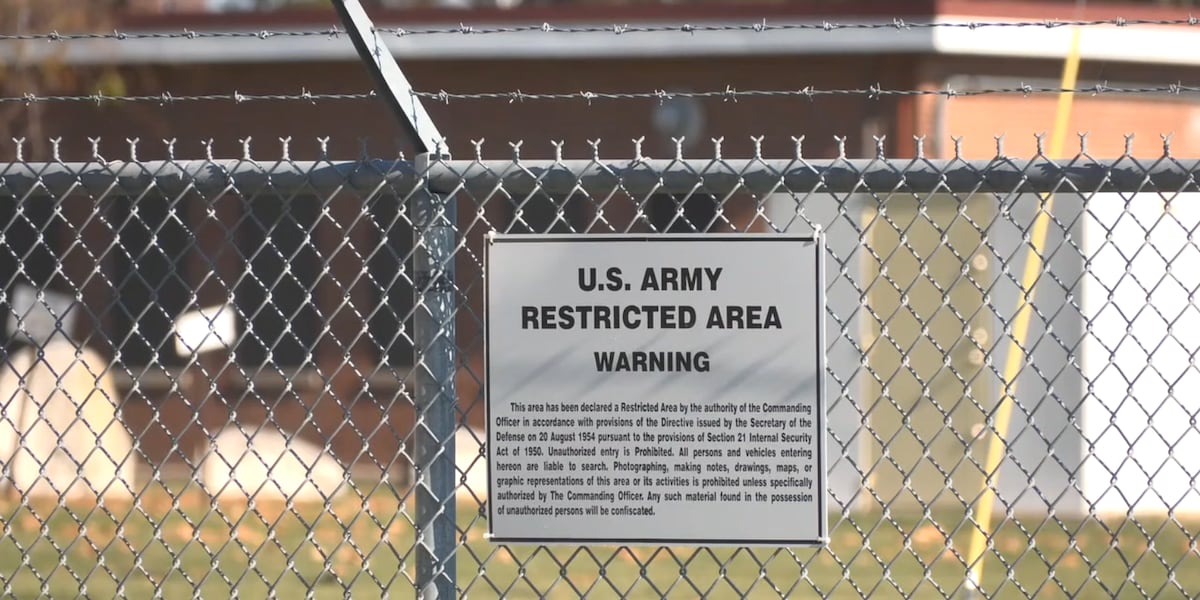
The Army said crews have built sand barriers, a water wall and other protective measures around the earth-covered magazines where the explosive is stored..2 The plan also includes gel blocks, aqueous foam and water misters to reduce the amount of lead particles that could travel beyond the plant.2
What Residents Can Expect
The Army said lodging is available through Friday, Nov. 27, with residents encouraged to contact FEMA if they need more flexibility. Residents will be notified by phone when it is safe to return.2