Trump Administration Proposes New Tariffs on China, EU and 14 Economies


Key facts
- The United States proposed new tariffs of up to 20% on imports from 14 economies, including the European Union and China, on Wednesday.1 The Office of the US Trade Representative unveiled the proposed duties after completing an eight-month investigation into alleged unfair trade practices involving 16 trading partners.1
- The proposed duties would respect the 15% tariff cap agreed with the European Union, Japan, South Korea and Taiwan, as well as the 19% cap agreed with Malaysia, a senior US administration official said.1 The new tariffs on China would be added to duties of around 25% imposed during Donald Trump’s first term, bringing the combined rate for some Chinese goods to 45%.1
- The European Union said on Wednesday it would examine the proposed US tariffs but rejected Washington’s allegations of excessive industrial production.1 The EU said it expected Washington to honor the trade agreement reached with Brussels last year.1
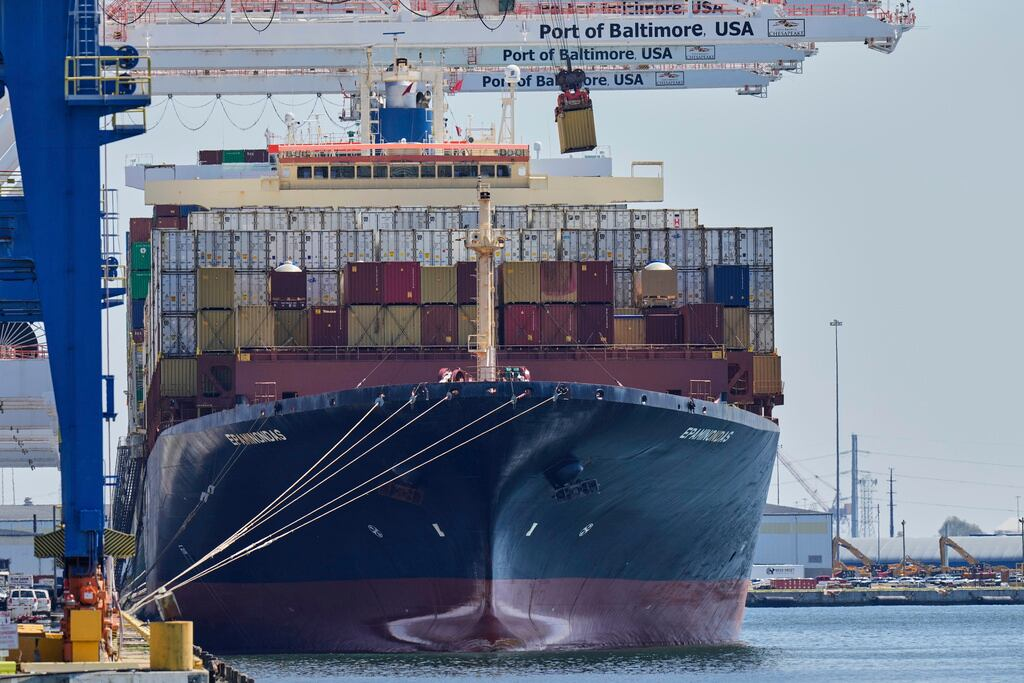
The United States proposed new tariffs of up to 20% on imports from 14 economies, including the European Union and China, on Wednesday..1 The Office of the US Trade Representative unveiled the proposed duties after completing an eight-month investigation into alleged unfair trade practices involving 16 trading partners.1
The proposed tariffs largely stick to rates set under existing trade agreements, US Trade Representative Jamieson Greer told CNBC on Wednesday..1 China would face an additional tariff of 20%, the joint-highest rate among the targeted economies.1
How the tariffs work
The proposed duties would respect the 15% tariff cap agreed with the European Union, Japan, South Korea and Taiwan, as well as the 19% cap agreed with Malaysia, a senior US administration official said..1 The new tariffs on China would be added to duties of around 25% imposed during Donald Trump’s first term, bringing the combined rate for some Chinese goods to 45%.1
The proposed duties will be subject to a public comment period and a hearing before taking effect, possibly in January at the earliest.1
What the targeted economies say
The European Union said on Wednesday it would examine the proposed US tariffs but rejected Washington’s allegations of excessive industrial production..1 The EU said it expected Washington to honor the trade agreement reached with Brussels last year.1
Beijing also rejected Washington’s allegations of excessive industrial production and reiterated its opposition to trade wars, but stopped short of threatening retaliation..1 Chinese Foreign Ministry spokesperson Guo Jiakun said the “overcapacity” is a false issue and China opposes using it as an excuse for political manipulation.1
What the tariffs mean for trade
The proposed duties would not be added to existing sector-specific tariffs on products such as automobiles, steel and aluminum..1 Nor would they be combined with tariffs of between 10% and 12.5% imposed in July against 60 trading partners over alleged insufficient action against forced labor..1 Where both measures apply, the higher rate would prevail.1
The measures are intended in part to replace revenues lost after the US Supreme Court struck down Trump’s sweeping global tariffs in February..1 The court ruled that Trump lacked the authority to impose the duties by declaring an economic emergency and bypassing Congress.1
What’s next
The Trump administration plans to propose new tariff hikes on the European Union, China, Mexico, Japan and 12 other trading partners..2 The White House official said he believes retaliation will be limited and noted that trading partners received advanced notice of the proposed actions.3
Sources
Every number in the story points here. Each links to the original reporting.
LocalDW, KQ2, The Coin Republic, SupplyChainBrain, Polyestertime, WAVE
OfficialFarm Policy News
See a sentence its source doesn’t back up?
Tell us the source number and what’s wrong. We check every report. If we change the story, the fix goes on the corrections page with the old wording.