Canada’s Supreme Court Upholds Quebec’s Secularism Law


Key facts
- The Supreme Court of Canada largely upheld Quebec’s secularism law Friday1
- The court confirmed governments can invoke the clause pre-emptively, before a court has determined whether a law violates the Charter1
- Three of the seven justices concluded Quebec’s secularism law was incompatible with freedom of religion, freedom of expression and the right to equality1
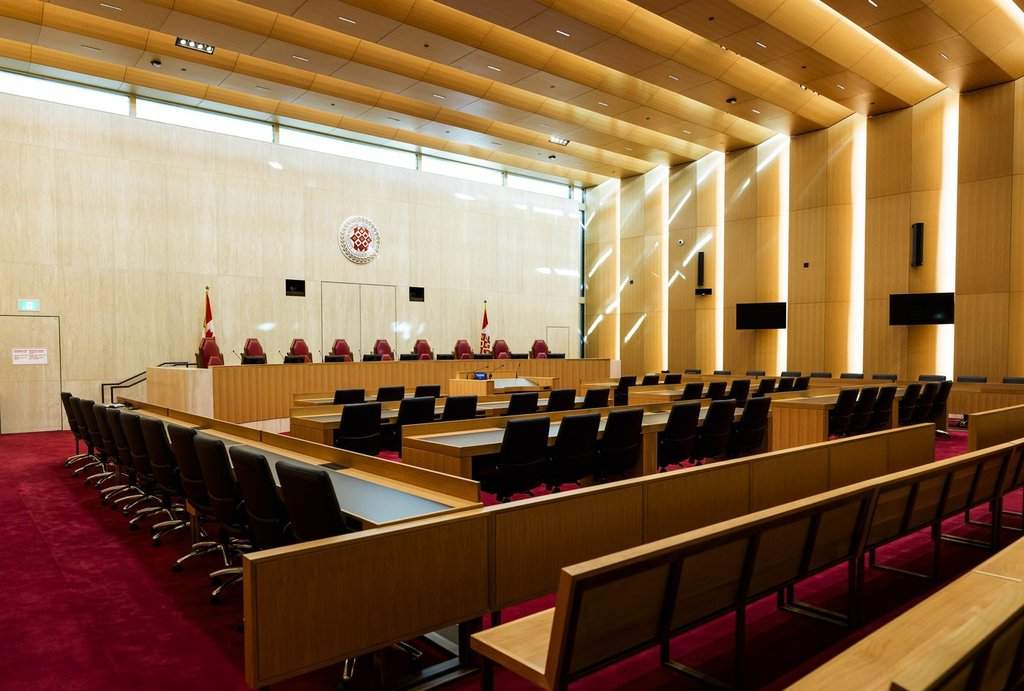
The Supreme Court of Canada largely upheld Quebec’s secularism law Friday in a landmark decision that clarifies how governments can use the notwithstanding clause to override certain Canadian Charter rights.1
The top court said legislatures can use the clause to override multiple rights at once.1
What the clause lets governments do
The clause gives provincial legislatures or Parliament the ability, through the passage of a law, to override certain Charter protections for up to five years..1 It cannot be used to override gender equality, democratic rights, mobility rights or language rights, including minority-language education rights.1
The clause only applies to certain sections of the Charter, including those protecting freedom of religion, freedom of expression, legal rights and most equality rights.1
The time limit is intended to give the public an opportunity to challenge a government’s decision to use the clause in a general election before it can be renewed.1
The federal government has never used the clause.1
How the clause came to be
The clause in its current form came about as a tool to bring provinces onside with then-prime minister Pierre Trudeau’s signature constitutional project.1
With Charter negotiations ramping up in the early 1980s, Trudeau didn’t see the need for the clause, but provinces such as Alberta and Saskatchewan wanted an out should they disagree with a decision of the courts.1
In the end, Trudeau reluctantly agreed.1
Quebec, the only provincial government to oppose the 1982 constitutional agreement, passed legislation that year invoking the clause in every new law until 1985.1
In 1986, Saskatchewan used the clause to protect back-to-work legislation, and Quebec used it again in 1988 to protect legislation requiring French-only commercial signs.1
Recent uses of the clause
Quebec pre-emptively invoked the clause in 2019 to shield its secularism law, known as Bill 21, and again in 2022 to protect its French-language law reform, known as Bill 96.1
Ontario invoked the clause in 2021 to restore restrictions on third-party election advertising and in 2022 to prevent education workers from striking..1 The latter legislation was subsequently repealed.1
Saskatchewan used the clause in 2023 to require parental consent for students under 16 who want to change their names or pronouns at school.1
In October 2025, Alberta invoked the clause to order some 51,000 striking teachers back to work, and again that December to shield three laws restricting the rights of transgender people.1
Sources
Every number in the story points here. Each links to the original reporting.
CenterThe Fitzhugh
See a sentence its source doesn’t back up?
Tell us the source number and what’s wrong. We check every report. If we change the story, the fix goes on the corrections page with the old wording.