UMD Students Build NASA Spacecraft to Study Near-Earth Asteroid Apophis

Key facts
- Some 90 students from the university have partnered with NASA’s Goddard Space Flight Center to create a spacecraft that will.1
- The spacecraft will fly by Apophis in 2029, and the goal is to study the asteroid before its arrival and launch nearly a year earlier in June 2028.1
- Elena Wu is the UMD team’s project manager.1
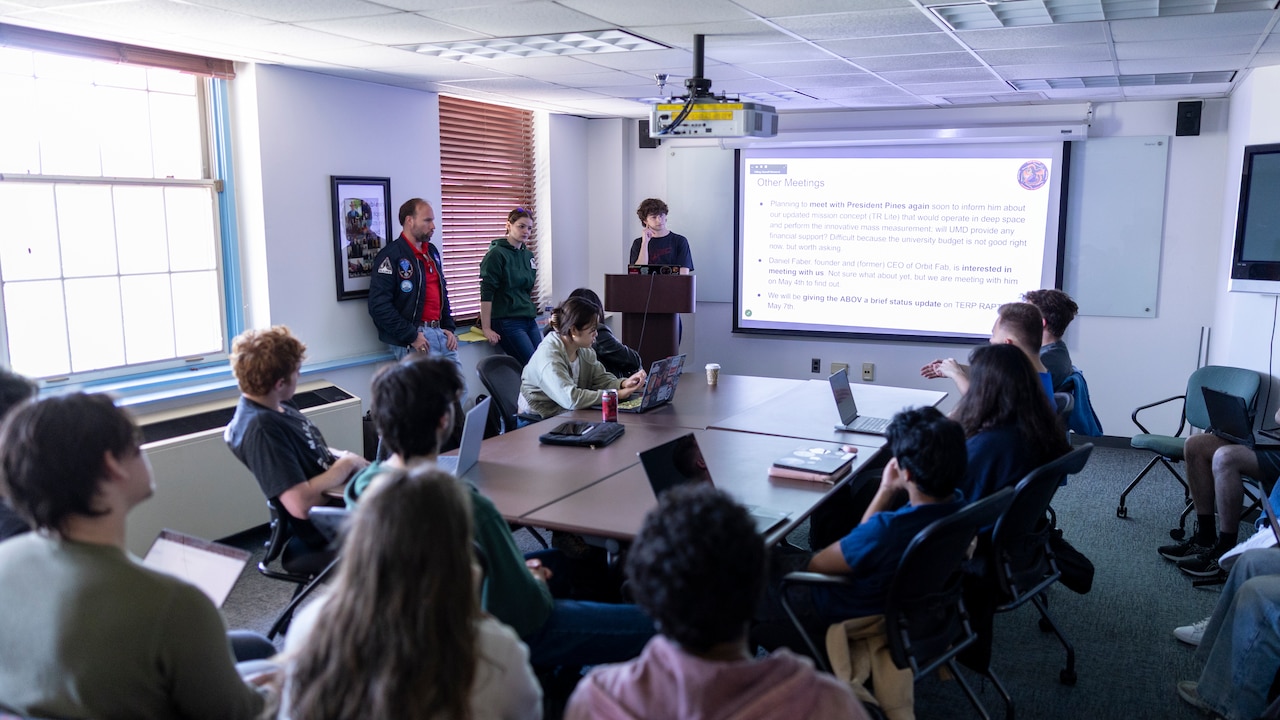
What started as a class project for a graduate capstone course at the University of Maryland is becoming an earth-shattering space mission.1
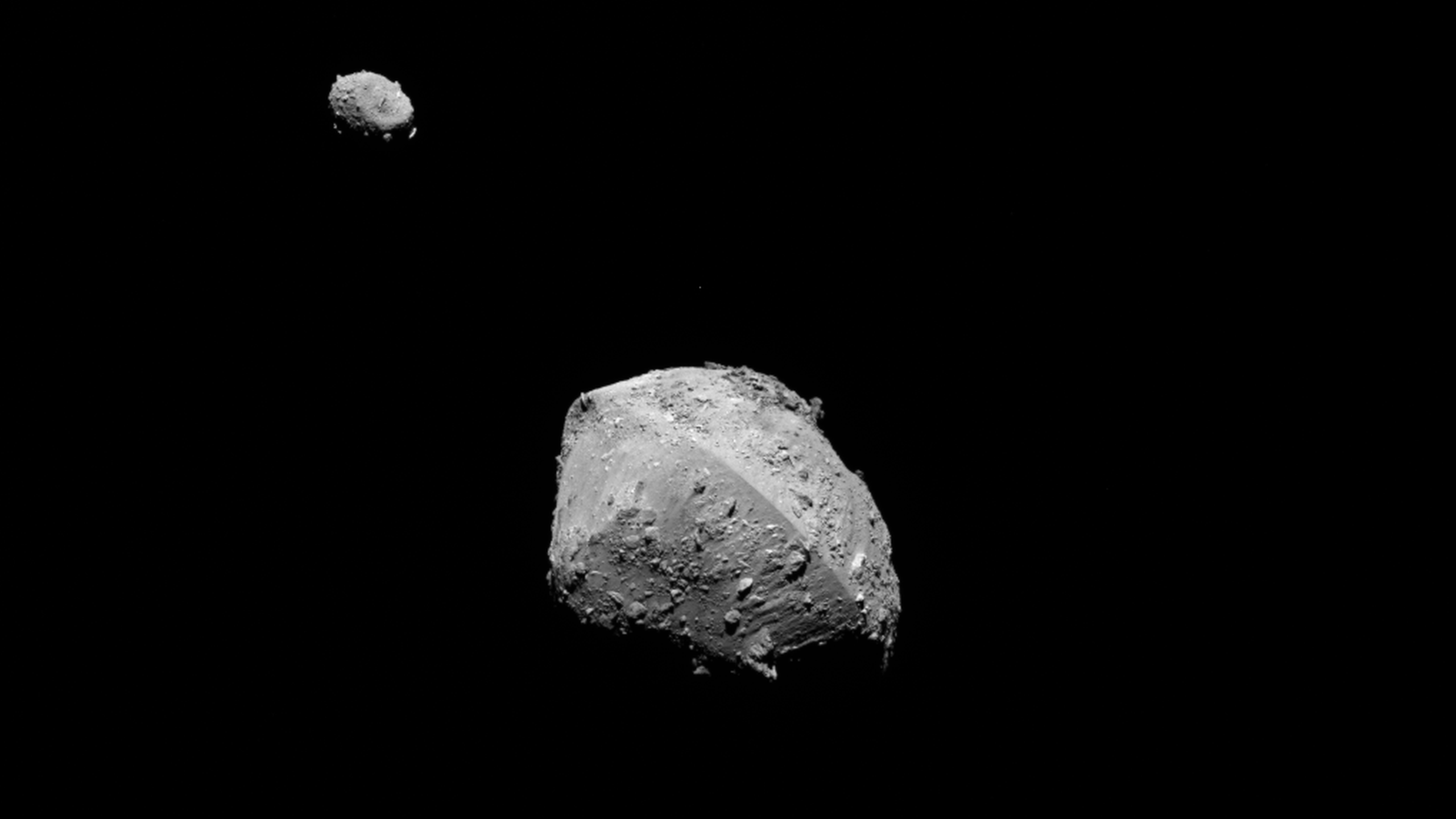
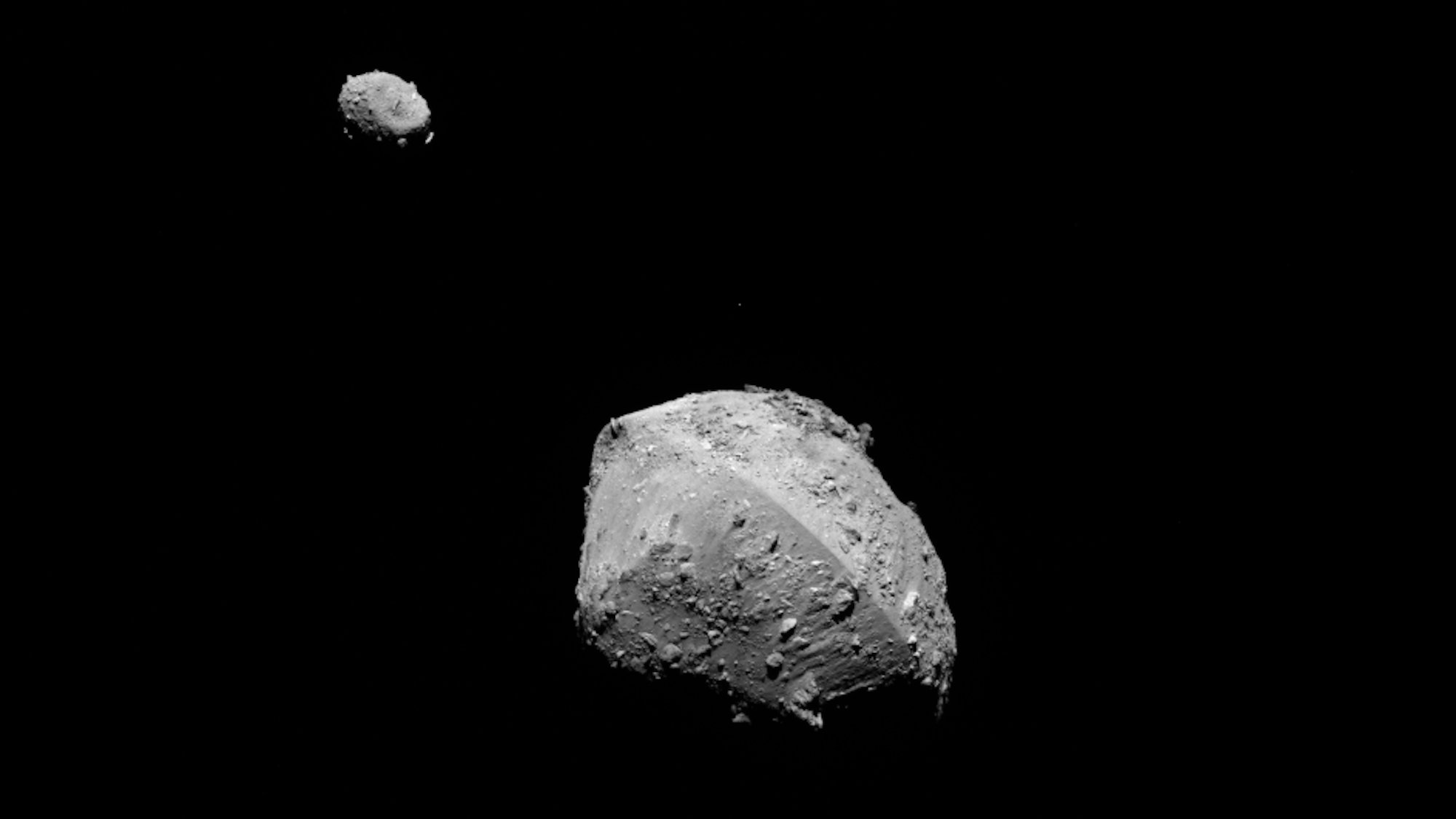
Some 90 students from the university have partnered with NASA’s Goddard Space Flight Center to create a spacecraft that will help the agency study Apophis, an asteroid discovered in 2004.1
At first, researchers were concerned Apophis could hit Earth, Elena Wu, the UMD team’s project manager, said, but they established that the planet is safe from the asteroid.1
A Close Flyby in 2029
Apophis won’t pass Earth until April 13, 2029, but the goal is to study the asteroid before its arrival and launch nearly a year earlier in June 2028.1
Earth’s gravity field is expected to alter Apophis' appearance and trajectory when it passes, and it will come closer to Earth than some of the human-made satellites already here.1
The mission is dubbed Terp Raptor, and it will precede other Apophis missions being conducted by NASA and the European Space Agency.1
The small probe is made up of cubes roughly the size of a toaster, and it will capture images of the asteroid as it flies by and measure it.1
Collecting these photos will allow scientists to build a 3D model of the asteroid that will help them learn more about its composition, topology and history, Max Weinstock said.1
“This is a one-in-7,500-year opportunity to have something that big come to us at Earth for us to study,” Wu said.
From a Capstone Project to a Space Mission
The original team, a group of seven graduate students and a professor, started the project in 2024.1
The original satellite was much larger and using it in a mission would have cost about $10 million, Wu said.1
Those costs fell significantly as the spacecraft’s design became smaller and more efficient and the team secured a ride for the satellite into space on a commercial rocket.1
The total projected mission cost is about $1.5 million, with roughly $1.3 million budgeted for hardware.1
The Terp Raptor team has locked down $640,000 from various partners, including NASA, George Mason University and the Aerospace Corp.1
“UMD has never put a spacecraft up there in space before,” Wu said.
A Final Design by Spring
The team began a preliminary design review last week, and it hopes to have a final design by the spring so it can start building and testing the satellite by fall 2027.1
The goal is to get everything to the commercial flight host by February 2028.1
The spacecraft will remain in orbit for months while engineers extract images and data, and it will eventually float into deep space.1
Weinstock anticipates the mission will end within the first months of 2029.1
“It would look like a small star passing through the sky but still close enough that it’s as if the light of the sun would reflect off of it,” Weinstock said.
The asteroid will be visible over parts of Europe, Northern Africa and Southern Asia, and it will look like a small star passing through the sky.1
“You would absolutely be able to see it passing over us,” Weinstock said.
Sources
Every number in the story points here. Each links to the original reporting.
LocalBaltimore Banner
See a sentence its source doesn’t back up?
Tell us the source number and what’s wrong. We check every report. If we change the story, the fix goes on the corrections page with the old wording.