Read the original on CelebYachts →
This report is from CelebYachts, which tracks the superyachts of public figures.1
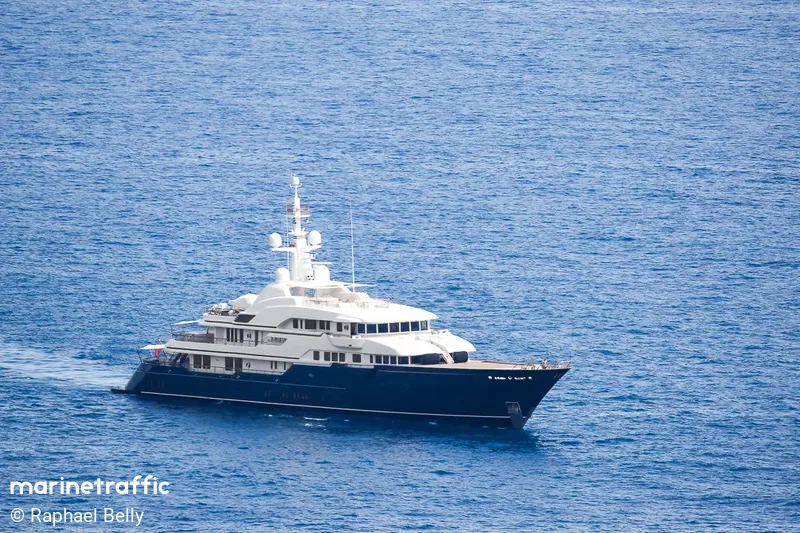
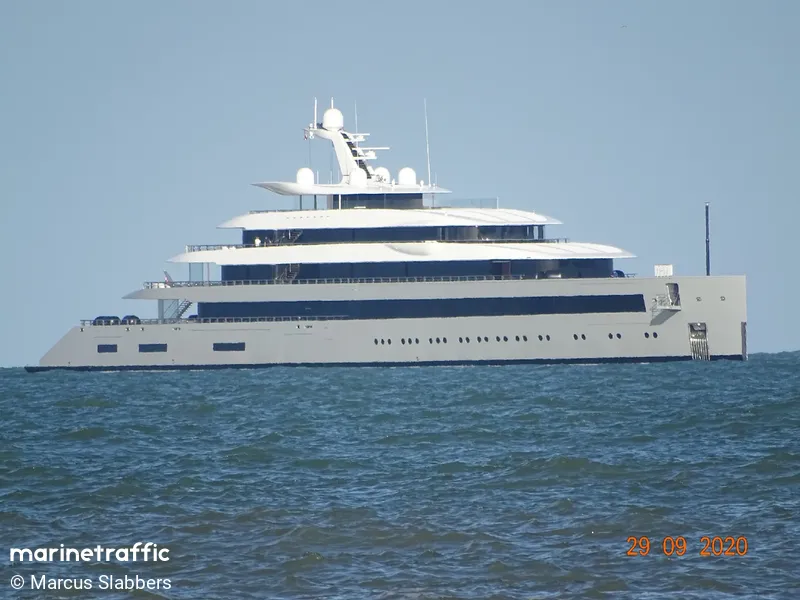
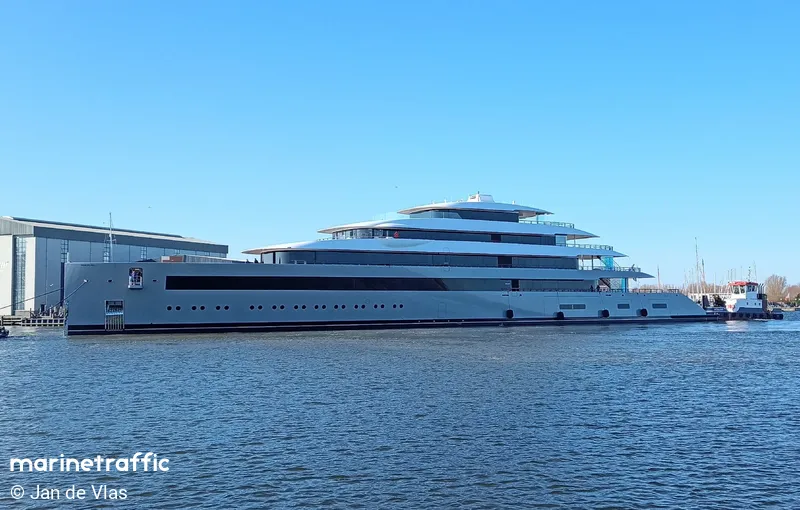
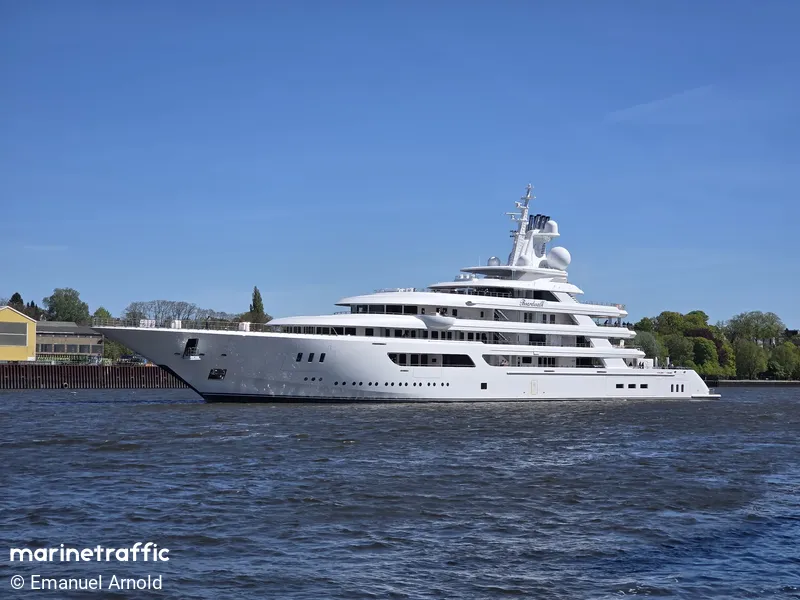
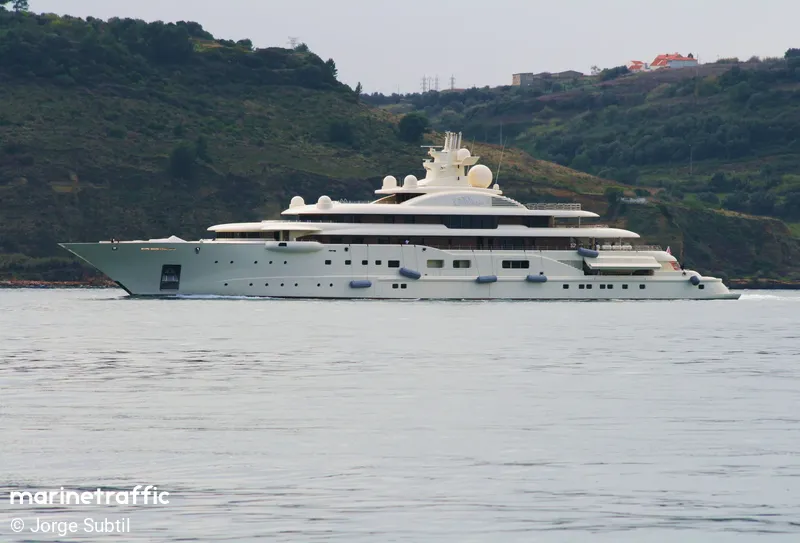
Al Raya is an 110-metre yacht owned by King Hamad bin Isa Al Khalifa of Bahrain. Her gross tonnage of 5,148 reveals a hull designed for comfort over speed. The wide beam creates vast interior space but limits her maximum velocity.1
Gross tonnage measures the enclosed volume inside a ship. It is not a measure of weight. Length overall is the number most people quote. That number tells you very little about how a yacht lives.1
Al Raya carries 5,148 gross tons in her 110-metre hull. She has a beam of 16 metres. This proportion favours interior space over hydrodynamic efficiency. The numbers show a deliberate engineering choice.1
The owner is King Hamad bin Isa Al Khalifa. He is the monarch of Bahrain. His vessel reflects the needs of a head of state. Stability and room are more important than racing speed.1
Where has Al Raya been recently?
AIS data shows her moving at modest speeds. Recent voyages in the Mediterranean show average speeds of 10 knots. Maximum recorded speeds reach 17.6 knots on short bursts. These figures confirm the volume penalty. A pure speed yacht would cruise at 16 knots or more. Al Raya’s engines are tuned for endurance, not sprinting. She covers distance steadily.1
One voyage covered 1,023 nautical miles from Antibes to Piraeus. It took three days. The average speed was 14.6 knots. This is a reasonable cruising pace for her size. Shorter hops within Attica ports show lower speeds. Trips between Glyfada and Megara take hours. These are local movements. The yacht stays close to established marinas.1
The last position was in the Ligurian Sea. Coordinates are 43.59° N, 7.13° E. She remains active and mobile. There are no signs of being laid up. She operates primarily in the Ligurian Sea. This area includes Cannes and Antibes. These are standard summer bases for European yachts. The track shows regular movement between these ports.1
How does Al Raya’s volume compare to other yachts?
Most large yachts aim for a balance between length and volume. Al Raya sits firmly in the accommodation class. Her gross tonnage to length ratio is high. This means she has more internal space per metre of length.1
Her beam is 16 metres. Most yachts of this length have a narrower beam. The extra width adds significant volume. Naval architects use this space for larger cabins. The result is a very steady platform at anchor.1
This design prioritises habitable space. It creates a floating palace rather than a fast cruiser. The trade-off is resistance. A wider hull pushes more water aside. This requires more engine power to maintain speed.1
King Hamad has held power since 1999. He inherited the throne from his father. The family wealth comes from Bahrain’s oil reserves. This provides the capital for large vessels. The estimated value of Al Raya is 250 million dollars.1
Who owns Al Raya and why did they build her?
The register lists the owner as King Hamad bin Isa Al Khalifa. He belongs to the Bahrain royal family. The category is Middle East royalty and heads of state. These owners rarely use yachts for sport.1
They use them for diplomatic travel and security. A stable platform is essential for official functions. Guests must feel secure and comfortable. Speed is secondary to safety and privacy.1
Lürssen built her in 2008. The German yard is known for precision engineering. They delivered a vessel suited for long-range cruising. The flag is the Cayman Islands. This is a common registry for private yachts.1
It offers legal flexibility and tax advantages. The home port is not listed publicly.
What speed can Al Raya achieve?
Her draft is not published in the register. However, a beam of 16 metres suggests a deep hull form. This aids stability in rough seas. It also limits access to shallow harbours.1
How does the hull shape affect daily life?
The wide beam creates spacious social areas. Dining rooms and lounges can be much larger. Natural light enters through wider side windows. The layout feels less cramped than narrower hulls.1
Guest cabins benefit from increased width. Private suites can include separate sitting areas. This is crucial for a vessel carrying many guests. Privacy is a key requirement for royal owners.1
The exterior decks are also wider. Sun pads and walkways offer more room. Crew can move efficiently without crossing guest spaces. This separation enhances security and service quality.1
Fuel consumption is higher than slimmer hulls. This increases operating costs. However, the owner likely views this as a minor expense. The priority is comfort and capability.1
What does the AIS track tell us?
The vessel has been tracked across the Mediterranean. Voyages show trips from France to Greece. Distances covered are significant. She is capable of ocean crossings.1
Why is this design chosen by royals?
Sovereign vessels face different constraints. Security teams require space for equipment. Medical facilities need dedicated rooms. Diplomatic receptions need large halls. Al Raya accommodates all these.1
Speed is less critical for state visits. Timetables are flexible. Weather delays are common. A stable ride ensures dignitaries arrive fresh. Comfort impacts protocol and perception.1
The arithmetic of the hull supports this mission. High volume enables function. Wide beam ensures steadiness. The design serves the user, not the sea.1
Al Raya is a tool of statecraft. It projects power through presence. The numbers on the register explain its capabilities. They reveal a vessel built for purpose.1
Read this on celebyachts.com, where the figures are checked against the live register.1